
How To
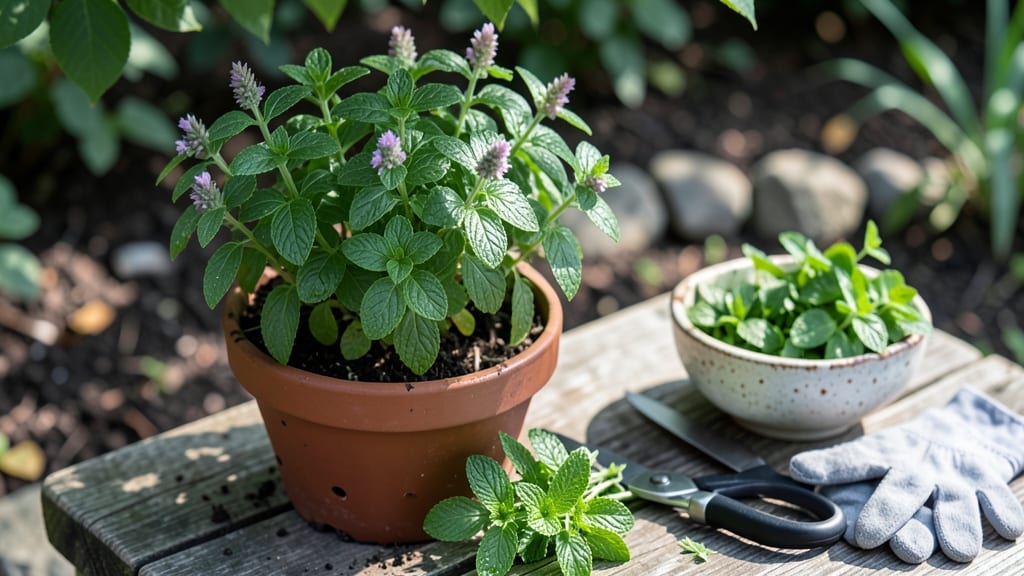
Harvesting peppermint at the right time means snapping stems easily for the strongest flavor and oil yield 🌿 — and it’s all about knowing when to cut.
Peppermint isn’t just a refreshing herb—it’s a powerhouse of flavor and therapeutic oils, but only when harvested at the perfect moment. Learn how to tell when your peppermint stems are ready to snap easily for maximum oil potency and yield.
If you’ve ever picked peppermint too early and ended up with weak, watery leaves—or waited too long and lost flavor—this guide fixes that. We’ll cover the best time of year, the simple stem-snap test, and how to cut without harming your plant.
By the end, you’ll know exactly when to harvest for peak freshness, how to dry or store your harvest, and even how to encourage bushier growth for bigger yields next season.
When to harvest peppermint for maximum oil content (stem snap test)
Harvesting peppermint at the right moment transforms a simple herb into a flavor and oil powerhouse. The secret lies in the stem snap test, a quick way to check if your plant’s essential oil content has peaked.
When stems snap cleanly with a slight bend, that’s your cue—peak potency is just moments away.
The science behind peppermint’s oil yield is fascinating: oils accumulate most when leaves are fully mature but before flowering begins. This window—typically 60 to 90 days after planting—ensures the highest concentration of menthol and menthone, the compounds responsible for that signature cooling kick.
Timing matters beyond just growth stages. Morning harvests are ideal because dew-free leaves dry faster and retain more oils. Avoid harvesting after rain or in the evening, as moisture can dilute the aromatic compounds you’re working so hard to preserve.
Visual cues confirm readiness: look for deep green, vibrant leaves that are fully unfurled and stems that feel firm but not woody. If leaves are still small or stems bend without snapping, wait a few more weeks—the plant needs time to build oil reserves.
Here’s the golden rule: harvest just before flowering. Once buds appear, the plant shifts energy from oil production to seed development, and flavor weakens. Cutting back flowering stems can redirect energy back to leaf growth, but the oil yield won’t match pre-flowering peaks.
Now, let’s talk about the stem snap test in action. Pinch a non-flowering stem between your thumb and forefinger, about 2 inches from the top. Gently bend it—if it snaps cleanly with a slight crack, your peppermint is ready.
If it bends without breaking or feels mushy, wait 7 to 10 more days.
| Growth Stage | Stem Snap Test | Leaf Color | Harvest Readiness |
|---|---|---|---|
| Early Growth | Bends without snapping | Light green, small | Not ready |
| Mature Leaves | Snaps cleanly with bend | Deep green, vibrant | Peak harvest time |
| Pre-Flowering | Snaps but feels woody | Dark green, slightly tough | Still good, but oils declining |
| Flowering | Hard to snap, woody | Leaves toughen | Avoid harvesting |
Seasonal timing also plays a role. In USDA Zone 6a, aim for harvests between late June and early September, when temperatures are warm but not scorching.
Heat stress can reduce oil content, so if your area hits 90°F+ regularly, harvest earlier in the season or provide afternoon shade.
Pro tip: Harvest regularly to encourage bushier growth. Cutting back 1/3 of the plant every 4 to 6 weeks stimulates new shoots, which means more leaves—and more oil—over time. Just avoid taking more than 30% of the plant in a single session to prevent stress.
Once you’ve mastered the stem snap test and seasonal timing, your peppermint harvests will be bursting with flavor and therapeutic power. The next step? Learn how to dry and store your harvest to lock in those oils for months—because the real magic happens when you preserve that peak potency.
Step-by-step peppermint harvesting guide: tools and techniques
Harvesting peppermint properly ensures the strongest flavor and highest oil content, but it starts with the right tools and techniques. Using the wrong method can damage your plant or reduce potency, so let’s break it down step by step for a stress-free harvest.
Whether you’re a beginner or seasoned gardener, these tips will help you maximize your yield every time.
Before you begin, gather your essential tools: a pair of clean, sharp pruners (or scissors), gardening gloves to protect your hands, and a bucket or basket to collect your harvest.
Avoid using dull tools, as they can crush stems and reduce oil quality. I always sanitize my pruners with rubbing alcohol before and after harvesting to prevent disease spread.
Now that you’re ready, the key is to harvest early in the morning when the oils are at their peak concentration. This timing ensures the freshest flavor and highest potency.
Never harvest after rain, as wet leaves can dilute the oils and promote mold. Aim for the first 2-3 hours after sunrise for the best results.
How to Harvest Peppermint: Step-by-Step
- 1 Select mature stems: Choose stems that are 4-6 inches tall with fully developed leaves. These are ready for harvest and won’t harm the plant if cut properly.
- 2 Cut above a node: Use your pruners to cut the stem just above a leaf node (the point where leaves grow). This encourages new growth from that node, keeping your plant bushy and productive.
- 3 Avoid the base: Never cut more than one-third of the plant at a time, and avoid cutting near the base. This prevents stress and ensures your peppermint keeps growing strong for future harvests.
- 4 Collect and store: Place harvested stems in your bucket, then rinse gently with cool water to remove dirt. Pat dry with a clean towel or paper towels. Store in a paper bag in the fridge for up to a week, or dry for long-term use.
- 5 Encourage regrowth: After harvesting, water your plant thoroughly and add a light layer of compost to replenish nutrients. This helps your peppermint recover quickly and produces more flavorful stems for your next harvest.
Harvesting peppermint correctly also means knowing when to stop. If you cut too much at once, your plant may struggle to recover, leading to weaker growth and lower yields. I recommend harvesting every 4-6 weeks during the growing season to maintain a balance between yield and plant health.
For long-term storage, consider drying your peppermint. Hang stems upside down in a dark, well-ventilated area for 1-2 weeks until the leaves are crisp and brittle. Store dried peppermint in an airtight container away from light to preserve its aromatic oils for months.
This method is perfect for teas, cooking, or homemade remedies.
With these techniques, you’ll harvest peppermint at its peak, ensuring every stem is packed with flavor and therapeutic benefits. Happy harvesting! 🌿✂️