
How To
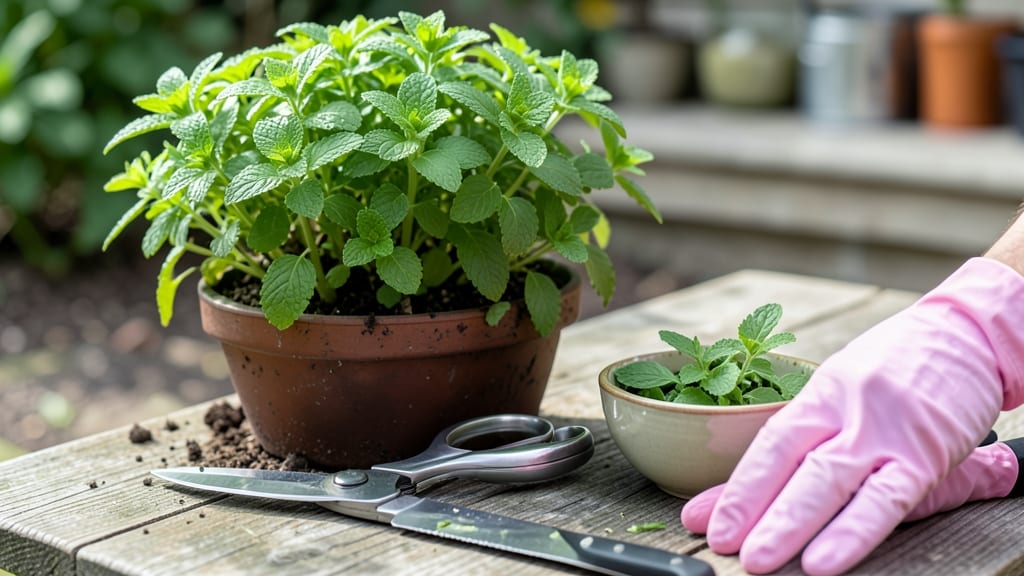
Harvesting mint the best way ensures you get flavorful leaves while keeping your plant healthy and productive all season long.
Picture this: you reach for a sprig of mint to make lemonade, and the stems snap easily—but instead of fresh, fragrant leaves, you’re left with dry, woody stalks. That’s a classic sign you missed the ideal harvest window or used the wrong technique.
Timing matters most: harvest mint in the morning, just as the dew dries, when stems are firm but flexible. This is when the oils that give mint its signature punch are at their peak.
Plus, regular harvesting encourages bushier growth, so you’ll never run out of fresh leaves for cooking or cocktails.
In this guide, I’ll walk you through the exact steps to harvest mint without damaging the plant, when to stop before it bolts, and how to store your harvest so it stays fresh longer.
Whether you’re growing mint in pots or garden beds, these tips will keep your plant thriving—and your kitchen stocked with flavor.
When and how to harvest mint for maximum freshness and flavor
Harvesting mint at the right time ensures you get the brightest green leaves with the strongest aroma. The best window for harvesting is spring through early summer, when the plant is actively growing and hasn’t yet sent up flower stalks.
This is when mint produces its most flavorful foliage, perfect for teas, cocktails, or cooking.
Look for mature stems that are about 4-6 inches tall and have fully unfurled leaves. A key indicator is when stems snap easily at the base—this means they’re ready for harvest without causing damage.
If you try to bend a stem and it doesn’t snap but breaks, wait a few more days.
Harvesting too late in the season, especially when mint starts flowering, can turn the leaves bitter and woody. Flowering also signals the plant to focus on seed production rather than leaf growth. To keep your mint bushy and productive, harvest regularly every 4-6 weeks during the growing season.
Seasonal timing matters too. In USDA Zone 6a, mint thrives from April to October, but with proper care, you can harvest year-round indoors. If you’re growing mint in containers or pots, it’s even easier to bring it inside during colder months for continuous harvests.
Here’s a quick reference for the best way to harvest mint based on plant maturity and season:
| Harvest Stage | Stem Height | Leaf Condition | Best Time to Harvest | Seasonal Notes |
|---|---|---|---|---|
| Early Growth | 2-4 inches | Small, curled leaves | Avoid harvesting | Plant is establishing roots |
| Prime Harvest | 4-6 inches | Large, flat, aromatic | Every 4-6 weeks | Spring to early summer |
| Late Season | 6+ inches | Woody stems, bitter taste | Prune back only | Fall, before flowering |
| Year-Round (Indoor) | 3-5 inches | Consistently green | Monthly pruning | With proper lighting |
For continuous mint harvests, focus on regular pruning rather than waiting for the plant to get too large. When you harvest, cut stems just above a leaf node or pair of leaves.
This encourages the plant to branch out and grow denser, giving you more leaves over time.
If your mint plant starts to bolt or flower, it’s a sign to harvest less frequently or prune back the flower stalks. Removing flowers redirects the plant’s energy back into leaf production, keeping your mint flavorful and lush for longer.
In hotter months, like July and August, mint can become less aromatic due to stress from heat. To combat this, provide afternoon shade and keep the soil consistently moist. Harvesting during these months should be light and strategic to avoid shocking the plant.
To maximize flavor, always harvest mint in the morning after the dew has dried. This is when the oil content in leaves is highest, ensuring the best taste for your teas, garnishes, or homemade remedies.
Store harvested mint in the fridge for up to 2 weeks or freeze it in ice cube trays for long-term use.
With the right timing and technique, your mint plant can provide abundant harvests all season long. The key is to stay consistent with pruning and responsive to the plant’s growth signals. Soon, you’ll have a thriving mint patch that’s always ready for use! 🌿✂️
Step-by-step mint harvesting technique to avoid damage
Harvesting mint correctly keeps your plant lush and productive while preserving its vibrant flavor. The key is to cut stems at the right time and with the right tools to prevent damage. If you snap stems too early or use dull scissors, you risk breaking the plant or causing stress.
I’ve learned that patience and precision pay off—your mint will thank you with continuous growth and aromatic leaves.
Before you begin, identify the right stems to harvest. Look for 4-6 inch tall stems with at least 4-6 pairs of leaves. These stems are strong enough to handle cutting but not yet woody.
Avoid harvesting flowers unless you want seeds, as this shifts the plant’s energy away from leaf production. The best time to harvest is in the morning after dew dries, when essential oils are at their peak.
- 1 Choose the right tool: Use clean, sharp pruning shears or garden scissors to make precise cuts. Avoid tearing stems by hand, which can damage the plant.
- 2 Locate the growth node: Identify the leaf node (where leaves attach to the stem) just above a set of leaves. Cut 1 inch above this node to encourage new growth from that point.
- 3 Make a clean cut: Angle your cut at 45 degrees to increase surface area for faster healing. Avoid crushing the stem with your fingers—grip the leaves, not the stem.
- 4 Harvest 1/3 of the plant: Never take more than one-third of the plant at once. This prevents shock and encourages bushier regrowth. For example, if your mint is 12 inches tall, harvest only the outer stems.
- 5 Store harvested mint properly: Place stems in a glass of water in the fridge to keep them fresh for up to 10 days. For long-term storage, dry leaves by hanging stems upside down in a dark, dry place for 1-2 weeks.
After harvesting, inspect your mint plant for signs of stress, like yellowing leaves or slow regrowth. If this happens, reduce future harvests and ensure the plant gets consistent moisture and partial shade.
I’ve found that a light fish emulsion fertilizer applied 2 weeks after harvesting can boost recovery. Avoid over-fertilizing, though—mint thrives on simplicity.
Pro tip: Use your harvested mint immediately in teas, cocktails, or salads to preserve its bright, fresh flavor. If you’re drying leaves, strip them from the stems once dry and store in an airtight container away from light.
This method keeps mint potent for months, ready for your favorite recipes or homemade remedies.
With these techniques, your mint will stay vigorous and flavorful all season long. The key is consistency—harvest regularly to prevent woody stems and legginess. Soon, you’ll have a thriving mint patch that’s always ready for use! 🌿✂️