
How To
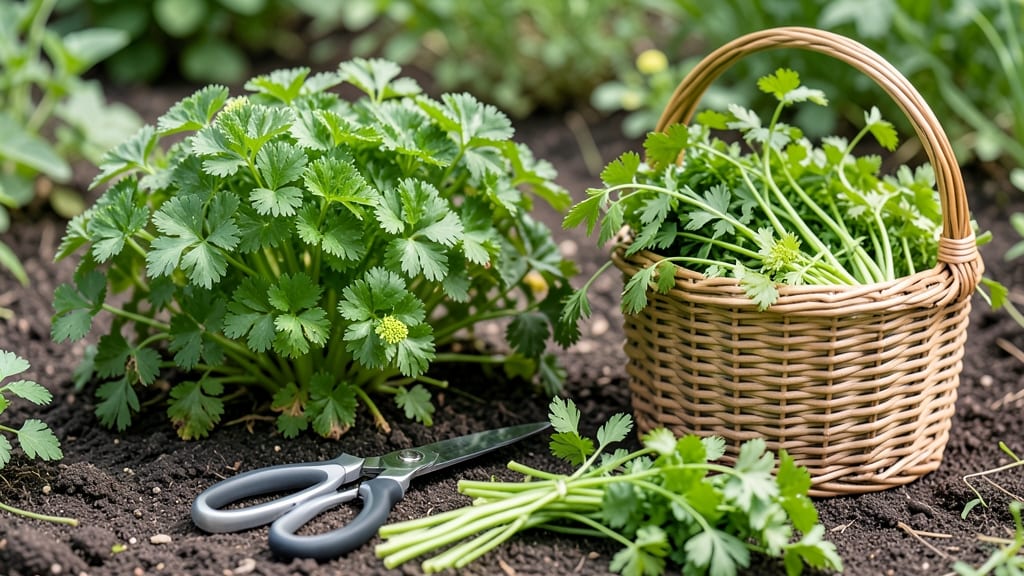
To harvest parsley at its peak flavor, focus on cutting stems when they snap easily and leaves reach 4-6 inches—this simple trick keeps your plant thriving while ensuring vibrant, fresh herbs for months.
Parsley isn’t just a garnish—it’s a powerhouse herb that thrives when harvested correctly, ensuring your kitchen stays stocked with vibrant, flavorful stems all season long. The secret to perfect parsley lies in knowing when and how to cut it for maximum growth and taste.
You’ll want to avoid harvesting too early or too late, as both can leave your plant stressed or flavorless. The right timing means snapping stems cleanly near the base, leaving enough foliage to keep growing.
Below, I’ll walk you through the exact steps, tools, and timing to get the most out of your parsley—no guesswork involved.
Whether you’re growing flat-leaf or curly parsley, these methods will help you harvest efficiently while keeping your plant healthy for a second (or third!) harvest. Plus, I’ll share pro tips for storing your harvest so it stays fresh longer than store-bought.
When to harvest parsley for best flavor and growth
Timing your parsley harvest correctly ensures peak flavor and encourages vigorous regrowth. Unlike many herbs, parsley tastes most potent when leaves are fully mature but before the plant bolts (sends up flower stalks).
The stem snap test is my go-to method to check readiness—simply pinch a stem between your fingers. If it snaps cleanly with a slight resistance, it's harvest-ready!
For flat-leaf parsley, aim to harvest when individual leaves reach 4-6 inches in length. Curly parsley matures slightly slower, so wait until the leaf clusters are 3-4 inches wide. Both varieties benefit from regular harvesting—this prevents bolting and keeps your plant producing fresh growth all season.
Seasonal timing matters too. In spring plantings, start harvesting in late May once leaves are fully developed. For fall plantings, harvest between September and October before frost hits. Remember: parsley is a biennial, meaning it lives two years, but its flavor peaks in the first year.
🌿
| Harvest Stage | Leaf Size | Stem Test | Flavor Impact | Regrowth Effect |
|---|---|---|---|---|
| Early (Small Leaves) | 1-2 inches | Soft, bends easily | Mild, less potent | Encourages bushiness |
| Ideal (Mature Leaves) | 4-6 inches (flat) / 3-4 inches (curly) | Firm, snaps cleanly | Peak flavor, aromatic | Balanced regrowth |
| Late (Over-Mature) | 7+ inches | Woody, hard to snap | Bitter, tough texture | Slows new growth |
| Bolting (Flowering) | Leaves yellow, stems tall | Stems hollow, brittle | Bitter, inedible | Plant dies back |
Harvesting at the right time also protects your plant's health. If you wait too long, parsley becomes woody and bitter, and the plant may bolt prematurely. I’ve learned the hard way—once I let my parsley flower, the leaves turned bitter, and the plant stopped producing new growth.
Now, I harvest every 2-3 weeks to keep my plants happy and flavorful.
For continuous harvests, focus on cutting outer leaves first. This method, called pinch-pruning, allows the inner leaves to keep growing while you still get fresh herbs.
Avoid cutting into the central stem—this can kill the plant. Instead, use clean, sharp scissors to snip leaves just above a leaf node (where new leaves emerge).
Seasonal changes affect harvest timing too. In hot summer months, parsley may grow more slowly, so reduce harvesting frequency. Conversely, in cool spring and fall, the plant grows faster, and you can harvest more often.
Always check the soil moisture—parsley prefers consistently moist (but not soggy) soil, which keeps leaves tender and flavorful.
Pro tip: Harvest parsley in the morning after dew has dried. This ensures the leaves are crisp and hydrated, and you’ll get the most vibrant color for your kitchen use. Plus, morning harvests mean you can enjoy fresh parsley in your meals right away!
💧
Finally, don’t forget that parsley’s flavor intensifies when stored properly. After harvesting, rinse leaves gently, pat dry, and store them in a perforated plastic bag in the fridge.
For long-term storage, freeze chopped parsley in ice cube trays with a little water—this preserves flavor perfectly for up to 6 months. With the right timing, your parsley will reward you with bold, fresh flavor all season long!
Step-by-step parsley harvesting techniques for long-term yield
Harvesting parsley the right way ensures your plant keeps producing lush, flavorful leaves for months. Whether you're growing flat-leaf or curly parsley, the key is to use gentle techniques that encourage regrowth. I’ve tested both pinch-pruning and stem-cutting methods—here’s which works best for your garden.
Start by selecting healthy stems with at least 4-6 mature leaves. The best time to harvest is in the morning after dew dries—this ensures maximum flavor and prevents fungal issues. Avoid harvesting during hot afternoons or when leaves are wet, as this stresses the plant.
-
Step 1: Choose the Right Tools
Use clean, sharp pruning shears or scissors for larger stems. For smaller leaves, your fingers work perfectly—just pinch gently above a leaf node.
-
Step 2: Identify the Cutting Point
For stem-cutting, cut just above a leaf node (where leaves grow). For pinch-pruning, use your thumb and forefinger to snap off outer leaves, leaving the inner growth intact.
-
Step 3: Harvest Strategically
Never remove more than 1/3 of the plant at once. Focus on outer leaves first to protect the center. Curly parsley benefits from gentler pinching, while flat-leaf parsley handles stem cuts better.
-
Step 4: Maintain Plant Health
After harvesting, water deeply and add a light mulch to retain moisture. Avoid over-fertilizing immediately—parsley prefers balanced nutrients over heavy feeding.
-
Step 5: Store Harvests Properly
Wrap stems in a damp paper towel and store in a sealed plastic bag in the fridge. For long-term storage, freeze chopped parsley in ice cube trays with water or olive oil.
Over-harvesting is the #1 mistake gardeners make with parsley. If you notice yellowing leaves or stunted growth, you’ve likely taken too much. Let your plant recover by reducing harvests for 2-3 weeks and focus on watering and sunlight instead.
Both flat-leaf and curly parsley respond well to consistent harvesting, but curly varieties may need slightly more gentle handling to avoid damaging their delicate fronds. With these techniques, you’ll enjoy fresh parsley for up to 6 months per planting—no need to replant until late summer!