
How To
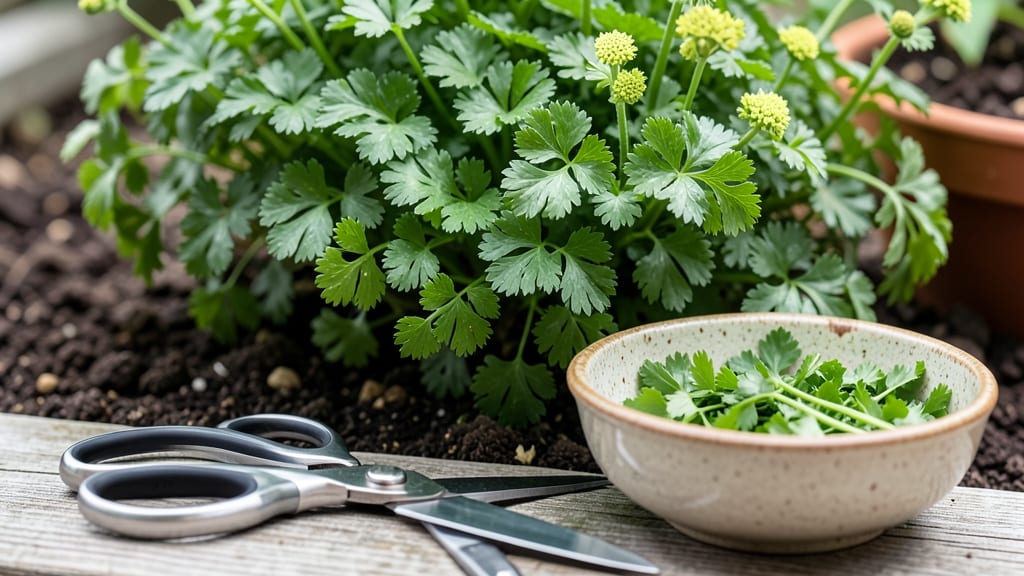
Harvesting curly parsley at the right time ensures bold flavor and keeps your 🌿 plant thriving for months.
Picture this: you snip a sprig, only to find the leaves turn bitter or the stems grow leggy—classic signs of harvesting too late. The secret lies in three tactile tests that reveal when parsley is at its peak, plus the exact cutting technique to encourage regrowth without stressing the plant.
Most gardeners assume parsley can be harvested anytime, but timing matters—especially in Zone 6a. Learn how to pick leaves without stunting growth, store your harvest to last two weeks fresh, and revive a struggling plant with simple fixes.
By the end, you’ll know the ideal window for continuous harvests, how to avoid common mistakes, and why your parsley tastes sweeter when you follow these pro tips.
3 Tactile tests to determine when curly parsley is ready for harvest
Harvesting curly parsley at the right time ensures maximum flavor and encourages your plant to keep producing. Unlike flat-leaf parsley, curly parsley has distinct tactile cues that signal readiness.
Skipping these signs can lead to bitter leaves or stunted regrowth—so let’s dive into the three foolproof tests every gardener should know.
First, understand that curly parsley matures in stages, and each test builds on the last. The leaf size, stem firmness, and overall texture all work together to confirm peak harvest time.
Beginners often mistake early maturity for readiness, but a few simple touches can save you from dull, underdeveloped flavors.
Pro tip: Always harvest in the morning after dew dries—this ensures the leaves are crisp and packed with flavor. Avoid harvesting after rain or in the evening, as moisture can dilute the taste and make stems slippery, increasing the risk of damage.
- 1 Leaf Size Test: Pinch a middle leaf—if it’s 6-8 inches tall with fully curled fronds, it’s ready. Smaller leaves mean more time to grow, but waiting too long risks bolting (flowering).
- 2 Stem Firmness Test: Gently squeeze a main stem. It should feel firm but not woody. Soft stems mean the plant needs more time; woody stems signal it’s past its prime. Aim for a crisp snap when cut.
- 3 Texture Test: Rub a leaf between your fingers. Ready parsley feels slightly waxy and dense. If it feels flimsy or hollow, it’s not mature enough. Overly rough texture? The plant may be stressed or drying out.
Now that you’ve mastered the tactile tests, timing is your next critical factor. Harvest curly parsley when it’s 75-90 days old (depending on your climate). In Zone 6a, aim for late spring to early fall—any later, and the plant may bolt, turning bitter and woody.
If you’re in a warmer zone, prioritize fall harvests to avoid summer heat stress.
Here’s a seasonal hack: In spring, harvest outer leaves first to encourage regrowth. In fall, you can take slightly more aggressive cuts since the plant is prepping for dormancy.
Just never remove more than ⅓ of the plant at once—this keeps the root system healthy and ensures future harvests.
One common mistake is waiting until the leaves are too large. While bigger leaves might look impressive, they often mean the plant is bolting or becoming less flavorful.
Think of parsley like a haircut: regular, small trims keep it lush and vibrant, while waiting too long leads to a messy, overgrown look (and taste).
For container gardeners, these tactile tests work the same, but monitor your parsley more closely. Pots dry out faster, and root-bound stress can accelerate bolting.
If your parsley is in a small container, consider repotting it into a 12-inch pot to give roots room to thrive and delay maturity.
Finally, store harvested parsley properly to preserve its freshness and flavor. Wrap stems in a damp paper towel, place in a ziplock bag, and refrigerate for up to 2 weeks.
For long-term storage, dry or freeze the leaves—just avoid washing them first, as moisture speeds up spoilage.
With these tactile tests and timing tips, you’ll never again harvest parsley too early or too late. Your kitchen—and your plant—will thank you for the perfectly timed, flavor-packed harvest every time. Happy gardening! 🌱
Step-by-step harvesting technique to maximize regrowth and flavor
Harvesting curly parsley the right way isn’t just about picking leaves—it’s about preserving your plant’s health and boosting flavor. The key lies in how and when you cut, not just which leaves you take.
Unlike many herbs, parsley regrows best when you follow a precise technique that avoids stressing the roots or stems.
I’ve found that most gardeners make one of two mistakes: either they pull leaves (which damages the plant) or they cut too aggressively (leading to leggy growth).
The solution? A clean, angled snip just above a leaf node, paired with seasonal timing. This method ensures your parsley stays bushy, flavorful, and productive for months.
How to Harvest Curly Parsley for Maximum Regrowth
- Step 1: Choose the Right Tool Use sharp, clean scissors or pruning shears (never your fingers!). Dull tools crush stems, inviting disease. Disinfect blades with rubbing alcohol between plants to prevent spread.
- Step 2: Locate the Leaf Node Identify the point where leaves meet the stem—this is your cutting zone. Aim to leave 1/4 inch of stem above the node to encourage new growth from that spot.
- Step 3: Make a 45-Degree Angle Cut Snip at a diagonal angle (not straight across) to increase surface area for faster healing. This also prevents water from pooling on the stem, reducing rot risk.
- Step 4: Harvest Outer Leaves First Always pick from the outside of the plant, moving inward. This protects the center growth point and keeps your parsley compact. Never remove more than 1/3 of the plant at once.
- Step 5: Time Your Harvest Morning harvests yield the freshest flavor, as leaves contain the most moisture. Avoid harvesting after hot afternoons (leaves wilt faster) or before frost (damages cell structure).
- Step 6: Seasonal Adjustments In spring and fall, harvest every 2-3 weeks when growth is active. During summer heat, reduce frequency to every 4-5 weeks to prevent stress.
After harvesting, store parsley properly to retain its vibrant green color and crisp texture. Wrap stems loosely in a damp paper towel, place them in a ziplock bag, and refrigerate.
This method keeps parsley fresh for up to 2 weeks—far longer than the typical 5-7 days. For longer storage, try drying or freezing harvested sprigs.
Pro tip: If your parsley starts looking leggy or sparse after harvest, it’s time to trim the entire plant by 1/3. This encourages bushier regrowth and prevents the plant from flowering too soon (which turns leaves bitter). A little pruning goes a long way!
Remember, curly parsley is a perennial in warm climates but often treated as an annual in Zone 6a. With the right harvesting technique, you can enjoy a continuous supply of this versatile herb all season long—no replanting required.