
How To
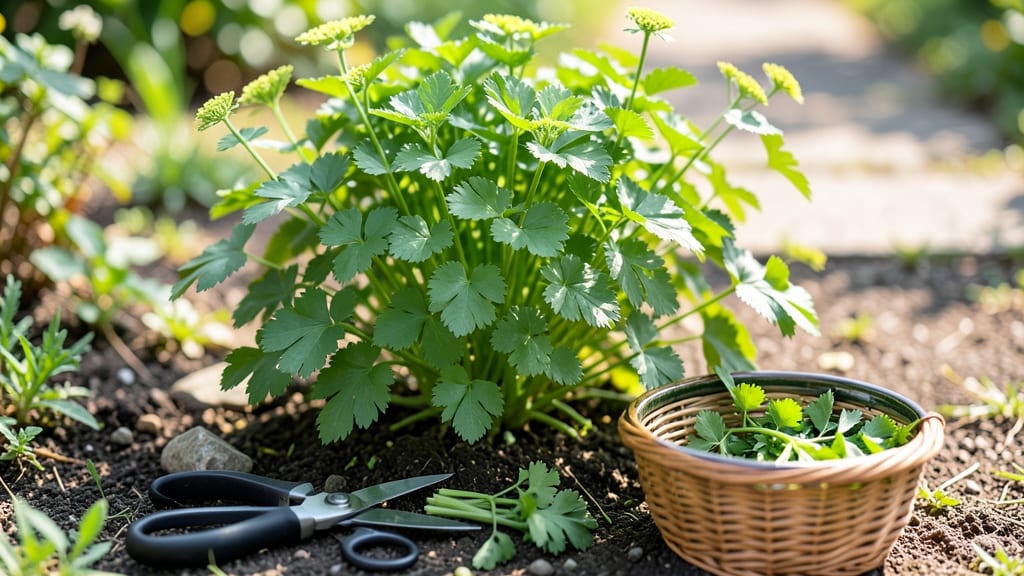
To harvest flat leaf parsley 🌿, pull stems when they're 6-8 inches tall and the leaves are fully formed—this is when they snap cleanly with just a gentle tug.
You might think waiting longer means bigger leaves, but over-harvesting mature stems can shock the plant and slow down regrowth. The key is timing: harvest outer stems first, leaving the inner ones to keep producing while you enjoy a steady supply of fresh herbs.
This method isn’t just about getting leaves—it’s about encouraging your parsley to grow bushier over time. When you cut stems at the base (about an inch from the ground), you trigger new side shoots, giving you more harvests all season long.
Below, I’ll walk you through the exact steps to pull stems without resistance, how to store your harvest to keep it fresh, and what to do if your parsley starts acting finicky after cutting.
When to harvest flat leaf parsley for maximum yield and plant health
Timing your harvest is everything when growing flat leaf parsley. If you pick too early, you’ll slow down growth; too late, and the leaves turn bitter or the plant bolts.
The sweet spot is when the plant reaches 6-8 inches tall with fully developed leaves—typically 75 days after planting in ideal conditions. This window ensures you get the most flavorful leaves while keeping your parsley bushy and productive.
Check for readiness by looking for vibrant green leaves that are 2-3 inches long and have a strong aroma. The stems should feel firm but not woody—if they snap easily, the plant isn’t ready yet.
For outdoor parsley, this usually aligns with late spring to early summer, while indoor parsley may need harvesting every 4-6 weeks year-round due to consistent light.
Seasonal shifts matter too. In summer heat, parsley grows faster, so you might harvest every 3-4 weeks. In cooler months, like fall or spring, growth slows, so space out harvests to 6-8 weeks between cuts.
Always avoid harvesting when flower buds appear—this signals bolting, and the plant will focus on seeds instead of leaves.
🌿
| Growth Stage | Leaf Size | Stem Condition | Harvest Window | Seasonal Notes |
|---|---|---|---|---|
| Early Growth | 1-2 inches | Soft, easily crushed | Avoid harvesting | Plant needs time to establish |
| Ideal Harvest | 2-3 inches | Firm, not woody | Every 4-6 weeks | Best flavor and regrowth |
| Late Stage | 3+ inches, bitter | Woody, tough | Avoid or prune heavily | Risk of bolting increases |
| Bolting | Flower buds appear | Stems elongate | Harvest all leaves | Save seeds or remove plant |
For indoor parsley, the rules are slightly different. Since indoor light is often weaker, your plant may grow slower, so harvest less frequently—every 6-8 weeks—and focus on outer stems first.
This prevents overcrowding and encourages new growth from the center. If your indoor parsley starts looking leggy or sparse, it’s a sign you’re harvesting too much or the light isn’t sufficient.
Outdoor parsley thrives in cooler temperatures, so early morning harvests work best. Wait until dew has dried to avoid spreading disease, and always use clean, sharp tools.
If you’re growing parsley in containers, harvest more frequently to prevent root-bound stress, but never take more than one-third of the plant at once.
One common mistake is waiting until the leaves are too large. By the time parsley leaves reach 4 inches or more, they often taste bitter and the stems become tough. Instead, aim for smaller, frequent harvests to keep the plant productive.
This method also prevents the plant from sending energy toward flower production, which is a surefire way to reduce your yield.
Pro tip: If your parsley starts to bolt prematurely, it’s often a sign of stress—whether from heat waves, drought, or overcrowding. In this case, harvest all the leaves you can and either remove the plant or let it go to seed for next year.
With the right timing, your parsley will reward you with a steady supply of fresh, flavorful leaves all season long.
✂️
Step-by-Step harvesting technique to avoid resistance and damage
Harvesting flat leaf parsley the right way ensures you get fresh leaves without stressing the plant. The key is using the correct grip and angle to pull stems cleanly while leaving the roots intact.
When done properly, your parsley will regrow bushier and faster than if you snip leaves randomly. Let’s break down the exact method I use to harvest parsley without resistance.
Start by selecting outer stems that are at least 6 inches tall with 4-6 mature leaves. These stems are ready for harvest and won’t stunt the plant’s growth. Avoid cutting stems too close to the base, as this can damage the center of the plant and slow down regrowth.
Instead, focus on the outer third of the plant to encourage a fuller, more productive harvest.
- 🌱 Step 1: Choose the Right Tool
Use clean, sharp pruning shears or your fingers. Shears work best for thicker stems, while fingers give you more control for delicate leaves. - 🪴 Step 2: Position Your Hands
Hold the stem about 1-2 inches from the base with your thumb and forefinger. Grip firmly but gently to avoid crushing the stem. - ✂️ Step 3: Cut or Pull at a 45-Degree Angle
If using shears, cut the stem at a 45-degree angle to increase surface area for water absorption. If pulling by hand, twist gently while pulling upward to detach the stem cleanly. - 💧 Step 4: Rinse and Store Immediately
Shake off excess dirt and rinse leaves under cool water. Store in a sealed container with a damp paper towel to keep them fresh for up to a week. - 🌿 Step 5: Encourage Regrowth
After harvesting, water the plant deeply to stimulate new growth. Avoid over-fertilizing immediately, as this can lead to rapid but less flavorful regrowth.
If you notice resistance while pulling, the stem may be too mature or woody. In this case, use shears to cut it cleanly at the base. Always leave at least one-third of the plant unharvested to ensure the roots continue supporting new growth.
This method keeps your parsley thriving for months, even in container gardens or small plots.
One common mistake is harvesting too much at once, which can shock the plant. Instead, aim to harvest no more than 1/3 of the plant every 2-3 weeks. This balance ensures your parsley stays productive and healthy throughout the growing season.
With practice, you’ll develop a feel for the perfect harvest technique that works for your specific parsley variety.
After a few harvests, you’ll see your parsley respond with lush, vibrant regrowth. The key is consistency—harvest regularly, use the right tools, and give your plant the care it needs. Soon, you’ll have a steady supply of fresh parsley straight from your garden to your kitchen! 🌱