
How To
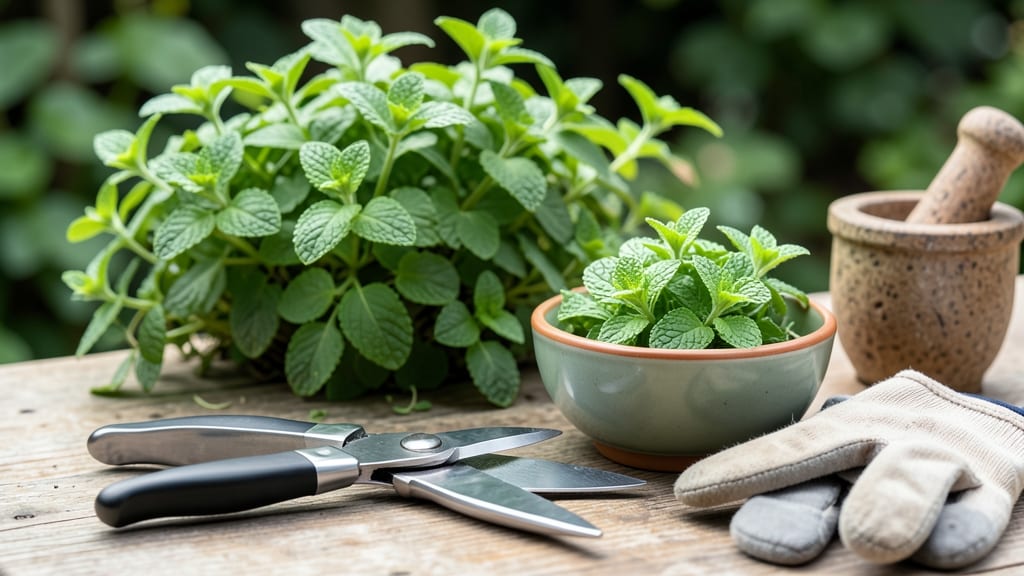
To harvest mint leaves for tea, focus on stems that snap cleanly when pulled—this is the sign of peak flavor and the easiest way to encourage your plant to keep growing.
Picture this: you reach for a sprig, and it pulls away with barely any resistance, releasing that fresh, bright aroma. That’s not just luck—it’s the perfect harvest moment, and missing it means weaker tea or stunted plants.
Whether you’re a first-time gardener or a tea enthusiast, knowing when and how to harvest makes all the difference.
Mint thrives in June through September, but the best time to pick is in the morning after the dew dries. This ensures the most potent oils and vibrant green leaves for your brew.
Plus, harvesting correctly keeps your plant lush and productive, so you’ll never run out of fresh mint for your next cup.
In this guide, I’ll show you the exact techniques to harvest mint like a pro, from the right tools to use to how to store your leaves so they stay fresh.
You’ll also learn how often to harvest without harming your plant—and why some gardeners swear by the "stem snap test" for foolproof results.
When to harvest mint leaves for maximum flavor and yield
Timing your mint harvest is everything when you want bright, aromatic leaves for tea. The best flavor comes from leaves harvested at the right growth stage—when stems snap easily and leaves are fully developed.
This ensures your tea stays fragrant and refreshing without bitterness, which can develop if you harvest too late in the season.
Mint thrives in warm, sunny mornings but needs careful timing to avoid stressing the plant. Harvesting in the early morning (after dew dries) gives you the most potent leaves, while afternoon harvesting can lead to wilting or bitter notes.
Let’s break down the exact signs to watch for and the best seasonal windows.
🌿 How to Harvest Mint Leaves for Tea: Key Signs & Timing
- 📅 Best Season: June–September (peak growth and flavor)
- ✂️ Stem Snap Test: Pinch a stem—if it snaps cleanly, leaves are ready
- 🌱 Leaf Maturity: Leaves should be dark green, plump, and 2–3 inches long
- ⏰ Time of Day: Harvest morning (8–10 AM) for sweetest flavor
- 🚫 Avoid: Harvesting after hot afternoons (leads to bitter leaves)
- 🌿 Regrowth Tip: Leave 2–3 inches of stem to encourage bushier growth
Your mint plant’s growth stage is the first clue for harvesting. Aim for leaves that are fully unfurled and vibrant green, typically when the plant reaches 4–6 inches tall.
If you harvest too early, leaves will be small and pale, lacking the bold flavor needed for tea. Conversely, waiting too long can make leaves woody or bitter.
Seasonal timing also matters. In early summer (June–July), mint grows rapidly, and leaves are at their peak. By late summer (August–September), growth slows, and leaves may develop a stronger, slightly bitter taste.
For the best tea, prioritize harvesting in June and July when flavor is at its sweetest.
Morning harvesting is non-negotiable for tea quality. Leaves picked in the early morning retain more volatile oils (the compounds that give mint its aroma). These oils evaporate quickly in afternoon heat, leaving your tea tasting flat.
Always harvest after dew has dried (around 8–10 AM) for the freshest flavor.
One of the biggest mistakes gardeners make is harvesting more than 1/3 of the plant at once. Mint regrows best when you prune selectively, leaving enough foliage to keep the plant healthy.
If you strip too much, the plant may bolt (flower) prematurely, which ruins leaf flavor. Instead, focus on outer stems first to encourage bushier growth.
To test if your mint is ready, perform the stem snap test: Gently pinch a stem between your fingers. If it snaps cleanly (not bends), the leaves are mature.
If it bends without snapping, wait 1–2 weeks for full maturity. This simple trick saves you from harvesting underripe or overripe leaves.
For tea lovers, the best mint varieties include peppermint and spearmint, both prized for their bright, crisp flavors. Avoid harvesting flowering stems—they’re bitter and should be removed immediately. Instead, focus on young, tender leaves near the top of the plant for the most aromatic tea.
Store harvested mint properly to preserve its flavor. Wash leaves gently, pat dry with a paper towel, and store in an airtight container in the fridge for up to 5–7 days.
For long-term storage, freeze leaves in ice cube trays with water or dry them in a shady, well-ventilated area.
Step-by-step mint harvesting techniques for tea brewing
Harvesting mint for tea is simpler than you think, but the method you choose—cutting or pinching—can dramatically affect both your tea’s flavor and your plant’s health. I’ve found that pinching (removing the top set of leaves) encourages bushier growth, while cutting (snipping stems) is ideal for larger harvests.
The key is to always harvest 1/3 of the plant at a time to avoid stressing it.
Before you begin, gather your tools: a pair of clean, sharp scissors or pruning shears, a small bowl or basket, and a damp paper towel to preserve freshness. Avoid using your fingers—this can bruise the stems and reduce flavor potency.
Work gently but decisively to make clean cuts just above a leaf node (where new growth emerges).
Here’s my foolproof step-by-step guide to harvesting mint that keeps your plant thriving and your tea bursting with flavor:
Step-by-Step Mint Harvesting Guide
- Step 1: Choose the right time—morning after dew dries (8-10 AM) for peak oil content.
- Step 2: Select stems with 4-6 vibrant leaves that snap easily when pulled (the stem snap test).
- Step 3: Use clean scissors to cut stems at a 45-degree angle just above a leaf node.
- Step 4: Harvest 1/3 of the plant max to avoid over-pruning and encourage regrowth.
- Step 5: Rinse leaves under cool water to remove dirt, then pat dry with a paper towel.
- Step 6: Store leaves in an airtight container in the fridge for up to 1 week or freeze for 3 months.
- Step 7: Reapply balanced fertilizer (5-10-5) after harvesting to support recovery.
For the best tea, focus on harvesting younger leaves—they’re sweeter and less bitter than mature ones. I like to harvest every 4-6 weeks during the growing season (June-September) to keep my mint bushy and productive.
If you’re growing mint in containers, be extra cautious not to over-harvest, as they have limited root space.
Pro tip: If your mint starts flowering, remove the blooms immediately. Flowering signals the plant to focus on seed production, which weakens leaf flavor and growth. Pinch off buds as soon as you spot them to keep your mint lush and aromatic for tea.
Once harvested, store your mint leaves properly to preserve their aromatic oils. Place them in a paper towel-lined container and refrigerate—they’ll stay fresh for up to a week. For long-term storage, freeze leaves in ice cube trays with water, then transfer to a freezer bag.
This method makes it easy to grab just what you need for a single cup of tea.