
How To
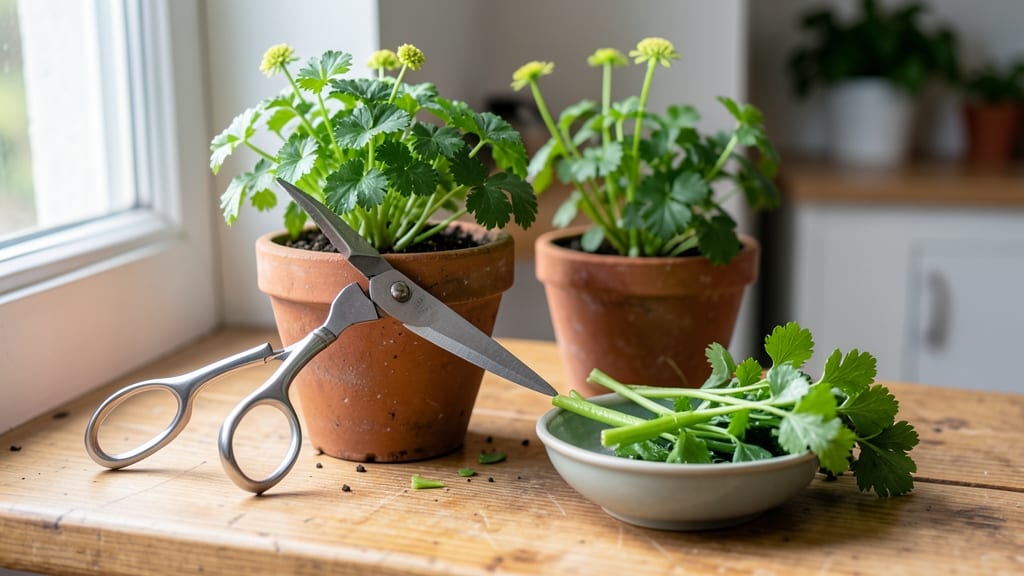
Harvesting parsley the best way ensures you get that vibrant, fresh flavor straight from your garden 🌿—and it’s easier than you think once you know the right timing and technique.
Nothing beats the fresh, vibrant flavor of parsley straight from your garden—but knowing when and how to harvest it makes all the difference between pungent perfection and wilted disappointment.
Most gardeners wait until the leaves are fully grown, but the secret to continuous harvests is cutting when stems snap cleanly at the base. This simple trick keeps your parsley bushy and productive all season.
Below, I’ll walk you through the exact steps for both curly and flat-leaf varieties, including when to stop cutting before flowering turns those leaves bitter. Ready to master the harvest?
When to harvest parsley for maximum flavor and regrowth
Harvesting parsley at the right time ensures you get the boldest flavor while keeping your plant healthy and productive. Unlike many herbs, parsley thrives when you follow specific biological cues—like the stem snap test—that signal peak readiness.
These cues aren’t just about timing; they’re about balancing flavor intensity with the plant’s ability to regrow, so you can enjoy fresh parsley all season long.
The stem snap test is your first clue. When you gently twist a stem near the base and it snaps cleanly (not bends or tears), that’s your green light.
This happens when the plant’s cell walls are firm but not woody, meaning the leaves are packed with essential oils that deliver that signature parsley punch. I’ve found this test works best in the morning after watering, when the plant is hydrated and at its peak.
Another key indicator is leaf size. Aim to harvest when the outer leaves reach 4–6 inches in length. At this stage, the leaves are fully developed, dark green, and vibrant—ideal for culinary use.
If you wait too long, the leaves can become bitter and tough, especially as the plant approaches flowering. For flat-leaf parsley, this usually happens around 75–90 days after sowing, while curly parsley may take slightly longer.
Here’s what to watch for to avoid common mistakes that ruin flavor and stifle regrowth:
| Harvest Indicator | Ideal Timeframe | Flavor Impact | Regrowth Effect |
|---|---|---|---|
| Stems snap cleanly at base | Morning after watering (6–8 AM) | Peak flavor, high essential oils | Encourages bushier growth |
| Outer leaves reach 4–6 inches | Before flowering (late spring/early summer) | Boldest taste, slightly bitter if delayed | Minimal stress on plant |
| Plant shows yellowing leaves | Immediately remove (any time) | Bitter, degraded flavor | May stunt future harvests |
Timing your harvest around these cues ensures you’re always getting the freshest, most flavorful parsley. For example, if you’re growing flat-leaf parsley for garnishes, harvest the outer leaves first to let the inner ones mature.
This method keeps the plant compact and productive while avoiding the stress of over-harvesting. I’ve seen gardeners double their yield simply by following this approach—something I learned after my first parsley plant bolted from over-harvesting!
Pay attention to the plant’s maturity stage too. Parsley is a biennial, meaning it grows leaves in its first year and flowers in the second. If you let it flower, the leaves become woody and bitter, and the plant may not regrow well.
To prevent this, I always pinch off flower buds as soon as they appear. This redirects the plant’s energy back into leaf production, giving you a second harvest wave in the same season.
One mistake I see often is harvesting parsley when it’s under stress, like during extreme heat or drought. When the plant is struggling, the leaves lose their aromatic compounds and taste flat. Always harvest in the cool morning hours when the plant is well-hydrated.
If your parsley starts showing signs of stress—like yellowing leaves or stunted growth—hold off on harvesting until it recovers. A little patience goes a long way in maintaining flavor and health.
Finally, never harvest more than one-third of the plant at once. This rule applies whether you’re snipping stems or plucking individual leaves. Over-harvesting shocks the plant and can lead to bolting or dieback.
Instead, make small, frequent cuts to encourage continuous regrowth. I’ve found that harvesting parsley this way keeps my plants lush and productive for months longer than if I’d taken everything at once.
By mastering these cues and techniques, you’ll not only get the best flavor from your parsley but also ensure your plant stays healthy and productive. The key is to stay observant—your parsley will thank you with vibrant, flavorful leaves all season long. 🌿
Step-by-step parsley harvesting techniques for different varieties
Harvesting parsley correctly keeps your plants productive and flavorful while preventing bitter leaves or stunted growth. The right technique varies slightly between curly and flat-leaf varieties, so let’s break it down by type for maximum yield.
For both varieties, timing is everything—harvest in the morning after watering when essential oils are at their peak. This ensures the brightest flavor and crispest texture for your dishes. Always use clean, sharp scissors or pruning shears to avoid damaging stems.
Best Way to Harvest Parsley
-
1
Pre-Harvest Prep
Water your parsley 2–3 hours before harvesting to ensure soil is moist but not soggy. Choose a sunny morning (6–8 AM) for the highest essential oil content.
-
2
Cutting Technique by Variety
- Curly Parsley: Cut stems at a 45° angle 1–2 inches above the base to expose new growth nodes and encourage bushiness.
- Flat-Leaf Parsley: Snip individual stems just above a leaf junction to maintain a compact, tidy shape and prevent legginess.
-
3
Post-Harvest Care
Gently shake off excess soil and rinse leaves under cool water. Store in a damp paper towel in the fridge for 10–14 days. To encourage regrowth, never trim more than 1/3 of the plant at once.
After harvesting, avoid over-trimming—parsley is a biennial herb that stores energy in its roots for next year’s growth. If you’re growing parsley for long-term harvests, space cuts 2–3 weeks apart to let the plant recover.
For curly parsley, focus on harvesting the outer leaves first to protect the plant’s center. Flat-leaf varieties, like Italian parsley, can handle slightly heavier trimming since they grow more aggressively. Always disinfect your tools between plants to prevent disease spread.
Pro tip: If your parsley starts bolting (sending up flower stalks), it’s time to harvest aggressively or pull the plant entirely—once it flowers, the leaves become bitter and woody. With the right technique, your parsley will stay lush and flavorful all season long! 🌿