
How To
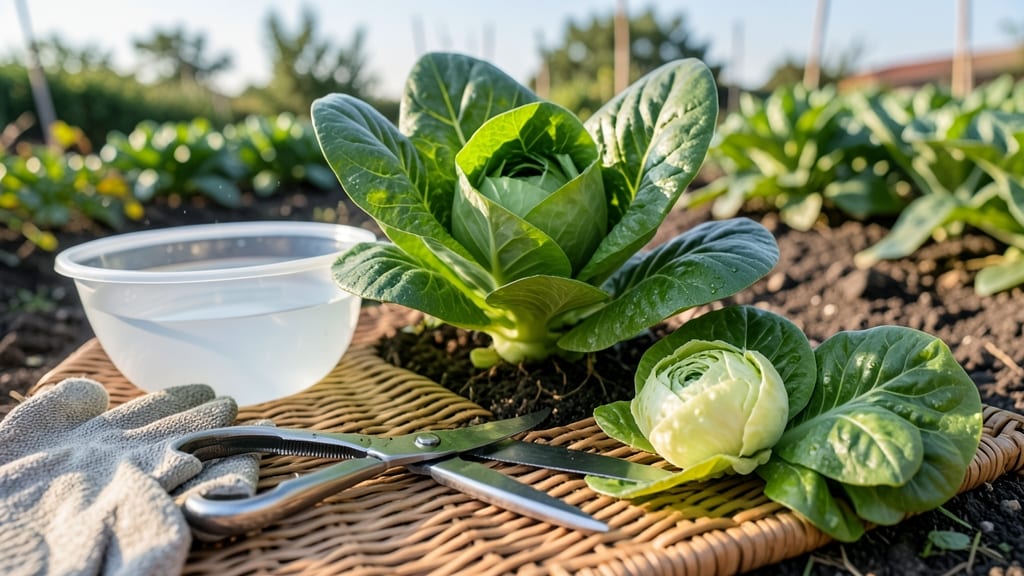
To harvest lettuce at its crispest and encourage more growth, you’ll need to time it right and use the right technique—whether you’re picking loose leaves or cutting whole heads.
Nothing beats the freshness of homegrown 🥬—unless it’s the disappointment of wilted leaves or stunted regrowth. Mastering the perfect harvest window and method ensures you get flavorful greens while keeping your plants productive for weeks.
Most gardeners make the mistake of waiting too long or cutting too aggressively, which can turn your lettuce bitter or force it to bolt. Instead, focus on harvesting outer leaves first to keep the plant happy and coming back.
In this guide, I’ll walk you through the exact when and how to harvest different lettuce types, from loose-leaf varieties to crisp heads, plus storage tips to keep your greens fresh longer.
When and how to harvest lettuce for maximum freshness and regrowth
Harvesting lettuce at the right time ensures you enjoy crisp, flavorful leaves while encouraging your plants to keep producing. The key is to watch for visual cues like leaf size, color, and texture—each variety has its own ideal harvest window.
For loose-leaf varieties, you can often harvest multiple times, while head lettuce should be cut all at once when fully mature.
Timing your harvest correctly prevents bitterness and bolting (when lettuce sends up a flower stalk). Most lettuce varieties reach harvest readiness in 30 to 60 days, depending on the type.
For example, butterhead lettuce typically matures in 45 to 55 days, while romaine takes 55 to 70 days. Pay attention to the plant’s signals—this is how you’ll know it’s time to harvest.
🌱 Ready-to-Harvest Indicators:
- Leaf size: 4–6 inches tall for loose-leaf; fully formed heads for varieties like iceberg.
- Color: Vibrant, consistent hue (no pale or yellowing edges).
- Texture: Crisp and firm when gently squeezed.
- Head formation: Tight, compact rosette (for head lettuce).
| Lettuce Type | Harvest Time | Method | Regrowth Tip |
|---|---|---|---|
| Loose-Leaf (e.g., Oakleaf, Green Leaf) | 30–45 days; outer leaves first | Cut individual leaves at base | Harvest outer leaves to encourage new growth |
| Butterhead (e.g., Bibb, Boston) | 45–55 days; full head formation | Cut entire head 1 inch above soil | Replace with new seeds for fall crop |
| Romaine (e.g., Cos) | 55–70 days; tall, upright leaves | Cut entire head at base | Side shoots may regrow; harvest carefully |
| Iceberg (e.g., Crisphead) | 70–85 days; dense, compact head | Cut entire head; no regrowth | Plant new seeds for next harvest |
For cut-and-come-again harvesting, focus on loose-leaf varieties like Oakleaf or Red Sails. Start by snipping the outer leaves when they reach 3–4 inches, leaving the inner leaves to grow.
This method lets you enjoy fresh lettuce for weeks without replanting. Always use a clean, sharp pair of scissors or pruning shears to avoid tearing the leaves.
When harvesting head lettuce like romaine or iceberg, wait until the entire head is fully formed and firm to the touch. Cut the head 1 inch above the soil line using a knife or shears.
Unlike loose-leaf varieties, head lettuce typically doesn’t regrow after harvest, so plan to replant seeds for a continuous supply.
One common mistake is harvesting lettuce during hot, dry weather, which causes bitterness. Aim to harvest in the morning when leaves are crisp and hydrated. If your garden is in full sun, provide light shade during peak afternoon hours to maintain tenderness.
After harvesting, rinse leaves gently with cool water and pat dry to remove dirt and debris.
To encourage regrowth in loose-leaf varieties, always leave at least 2–3 inches of growth at the plant’s base. Avoid pulling leaves—this can damage the crown and stunt future harvests. If your lettuce starts to bolt (send up a flower stalk), it’s a sign it’s past its prime.
In this case, harvest what you can and replace the plant with a new seedling for a fresh start.
Pro tip: Use a sharp knife or clean scissors to make precise cuts. Dull tools crush leaves, leading to browning and faster spoilage. Store harvested lettuce in the crisper drawer of your fridge, wrapped in a damp paper towel to retain moisture.
With the right technique, you’ll enjoy a steady supply of fresh, homegrown lettuce all season long!
🥬
Step-by-step lettuce harvesting techniques for different varieties
Harvesting lettuce correctly depends on the variety you’re growing—whether it’s butterhead, romaine, iceberg, or loose-leaf. Each type has unique needs, but the goal is always the same: crisp, flavorful leaves without stressing the plant.
I’ve found that timing and technique make all the difference between a bountiful harvest and a bitter disappointment.
For loose-leaf varieties like green leaf or red oakleaf, you can harvest individual leaves as they reach 4-6 inches tall. This “cut-and-come-again” method lets you enjoy fresh greens for weeks. Meanwhile, head lettuce like iceberg or romaine needs a more precise approach to avoid bolting or uneven growth.
Your harvesting tools matter too. A sharp knife or clean scissors prevents tearing, while gloves protect your hands from soil and prickly stems. Always sanitize your tools with a 10% bleach solution or rubbing alcohol to avoid spreading disease between plants.
How to Harvest Lettuce: Variety-Specific Steps
- 1 Check maturity: For loose-leaf, pick leaves when 4-6 inches tall and crisp. For head lettuce, harvest when the head feels firm and leaves are vibrant.
-
2
Use the right cut:
- Loose-leaf: Snip outer leaves at the base, leaving the inner growth point intact.
- Head lettuce: Cut the entire head 1 inch above soil for a clean harvest.
- 3 Avoid over-harvesting: Never remove more than 1/3 of the plant at once. For butterhead, leave the heart intact to regrow.
- 4 Store properly: Wrap heads in damp paper towels and store in a plastic bag in the fridge for 5-7 days. For loose-leaf, rinse and store in a perforated bag with a dry towel.
- 5 Encourage regrowth: After harvesting, water deeply and apply a light nitrogen fertilizer to promote new leaves. Iceberg won’t regrow, but romaine and loose-leaf will bounce back in 2-3 weeks.
One of my biggest mistakes early on was harvesting iceberg lettuce too late—by the time I noticed its bitter taste, it was already overmature. Now, I check for a tight, compact head with no yellowing leaves.
For romaine, I wait until the core is thick and the leaves stand upright.
If your lettuce starts to bolt (sending up a flower stalk), it’s a sign you waited too long. To salvage it, cut the flower stalk at the base and focus on harvesting the lower leaves for a quick salad.
This won’t produce a full head, but you’ll still get some greens.
Pro tip: Harvest in the morning when leaves are crispest. Avoid harvesting after a hot day, as the leaves can wilt quickly. With these techniques, you’ll enjoy a steady supply of fresh lettuce all season long—no wilted disappointments here! 🥬