
How To
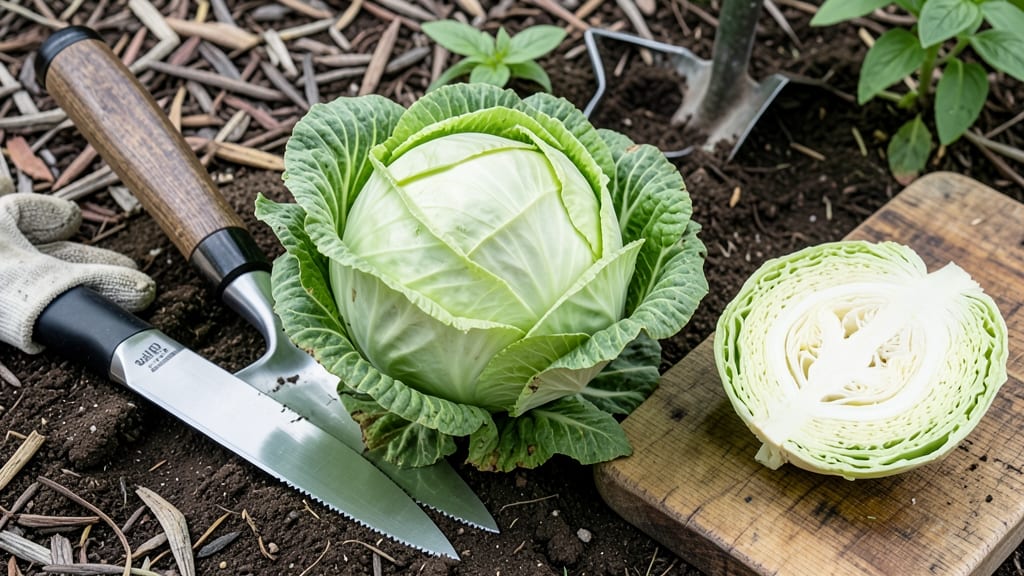
To harvest iceberg lettuce at its crispest, time it right—between 30 and 60 days after planting when the head feels firm and leaves are tightly packed.
Iceberg lettuce thrives when harvested at the right time—too early, and you lose crispness; too late, and bitterness creeps in. Mastering this simple skill ensures your garden delivers restaurant-quality heads every time.
You’ll need just a sharp knife and a sunny morning to avoid wilted leaves or damaged plants. This guide covers everything from cutting techniques to storing your harvest so it stays fresh for days.
Skip the guesswork and learn how to pick the perfect moment, cut cleanly, and keep your iceberg lettuce 🥬 tasting like it just came from the store.
When and how to harvest iceberg lettuce for maximum crispness
Harvesting iceberg lettuce at the perfect moment transforms your garden into a crisp, restaurant-quality salad source. Unlike loose-leaf varieties, iceberg forms a tight head that needs precise timing to avoid bitterness or bolting. With the right approach, you'll enjoy firm, white hearts and crunchy outer leaves for weeks.
Most iceberg lettuce varieties reach harvest readiness between 30-60 days after transplanting, depending on your climate. In cooler regions like USDA Zone 6, aim for spring harvests (May-June) or fall harvests (October-November). The key is watching for visual maturity cues rather than relying solely on days since planting.
Here's my foolproof summary table for harvesting iceberg lettuce at peak crispness:
| Harvest Stage | Key Characteristics | Days After Planting | Best Practice |
|---|---|---|---|
| Early Development | Loose leaves, small head forming | 20-30 days | Avoid harvesting - needs more time |
| Optimal Harvest | Firm head, crisp outer leaves, white core | 30-60 days | Harvest entire head or outer leaves |
| Over-Mature | Loose head, bitter taste, yellowing leaves | 60+ days | Discard or compost - quality lost |
| Regrowth | Stump remains after cutting | N/A | Water consistently for 2-3 more harvests |
Start by examining the outer leaves - they should be fully formed, crisp to the touch, and a vibrant deep green color. Gently squeeze the head: it should feel firm but not rock-hard.
If the head feels loose or spongy, it's past its prime and may have developed bitter flavors.
Another telltale sign is the stem color. A healthy iceberg lettuce will have a white, firm stem about 1-2 inches long. If the stem appears yellowish or hollow, the lettuce has overmatured.
I always check this by gently lifting the plant and inspecting the base before making my final harvest decision.
Timing matters beyond just maturity. Harvest in the early morning when temperatures are coolest. This preserves crispness and flavor better than harvesting in midday heat, which can cause wilting. For fall harvests, aim to pick before first frost (around October 30 in Zone 6) to avoid damage.
Don't wait until the head becomes too large - iceberg lettuce can quickly go from perfect to bolting (sending up a flower stalk). When this happens, the leaves become tough and bitter, making them inedible.
I've learned this lesson the hard way and now harvest aggressively when the head reaches 4-6 inches in diameter.
For continuous harvests, you can use the cut-and-come-again method. Simply cut the outer leaves about 1 inch from the base, leaving the inner core intact. This encourages regrowth for 2-3 more harvests.
Just be sure to keep the soil consistently moist and provide partial shade during hot afternoons to prevent bolting.
After harvesting, store your iceberg lettuce properly to maintain crispness. Wrap the head in a damp paper towel, place it in a plastic bag, and refrigerate.
This method keeps lettuce fresh for up to 2 weeks - much longer than the 3-5 days you'd get without proper storage.
Step-by-Step guide to cutting iceberg lettuce without damaging the plant
Harvesting iceberg lettuce properly ensures you get crisp, flavorful heads while keeping your plant healthy for future growth. The key is using the right cutting techniques and tools to avoid stressing the plant. Whether you're harvesting outer leaves or the whole head, precision matters most.
Start with a sharp knife or pruning shears—dull tools crush leaves, causing browning and inviting pests. Work in the early morning when temperatures are cool, and the lettuce is at its crispest. This simple routine prevents wilting and keeps your harvest fresh for days.
- ✂️ Step 1: Choose Your Method
Decide whether to harvest outer leaves (cut-and-come-again) or the whole head (full harvest). Outer leaves regrow, while whole heads signal the plant's end. - 🌱 Step 2: Select the Right Tool
Use a clean, sharp knife or pruning shears. Disinfect tools with rubbing alcohol to prevent disease spread between cuts. - 📏 Step 3: Locate the Cutting Point
For outer leaves, cut just above a leaf node (where leaves attach to the stem). For whole heads, cut at the base of the stem, leaving 1 inch of stem intact. - ✂️ Step 4: Make a Clean Cut
Angle the blade slightly downward for outer leaves to avoid water pooling. For whole heads, slice straight across the stem with one smooth motion. - 💧 Step 5: Water Immediately After
Give the plant a light watering to reduce stress. If harvesting outer leaves, water again in 2-3 days to encourage regrowth. - 🌿 Step 6: Store Properly
Wrap whole heads in a damp paper towel and store in the fridge for up to 10 days. For cut-and-come-again leaves, rinse and store in a sealed container with a dry towel.
If you're harvesting outer leaves, you can repeat the process every 2-3 weeks for continuous yield. The plant will produce smaller heads, but you’ll enjoy fresh lettuce all season. For whole heads, expect no regrowth, so plan your harvests carefully.
After cutting, remove any yellow or damaged leaves from the plant to improve airflow and reduce disease risk. Mulch around the base with straw to retain moisture and keep roots cool, especially in hot climates where iceberg lettuce can bolt prematurely.
For a second harvest, succession plant iceberg lettuce every 2 weeks in spring or fall. This staggered approach ensures a steady supply of crisp, homegrown lettuce without gaps. With practice, you’ll perfect your timing and technique for foolproof harvests every season.
🥬