
How To
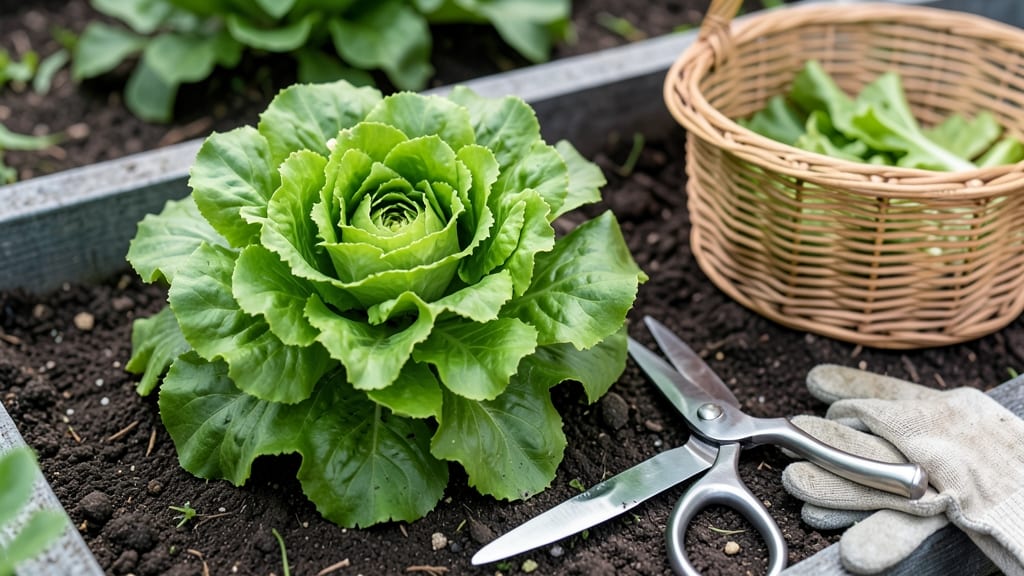
Harvesting green leaf lettuce at the right time ensures tender, flavorful greens that keep producing for weeks—skip this step, and you risk bitter leaves or wasted effort.
Picture this: you’ve nurtured your 🥬 for weeks, and now the outer leaves are crisp, vibrant, and just the right size—4 to 6 inches long. That’s your cue to start harvesting, but timing is everything.
Cut too soon, and you’ll miss out on full flavor; wait too long, and the lettuce bolts into a bitter, flowery mess. The key? A little patience and the right technique.
This guide walks you through when to harvest (leaf-by-leaf vs. full-cut methods), how to do it without damaging the plant, and how to store your fresh greens so they stay crisp for days.
Whether you’re growing in containers or a garden bed, these tips will help you enjoy a steady supply of homegrown salad greens all season.
You’ll also learn how to revive wilted lettuce, avoid common mistakes like over-harvesting, and even encourage regrowth for a cut-and-come-again harvest. Ready to turn your garden into a never-ending salad bar?


When and how to harvest green leaf lettuce for maximum freshness
Harvesting green leaf lettuce at the right time transforms your garden into a never-ending salad bowl. The key is patience—waiting until leaves reach 4-6 inches ensures maximum flavor and texture. Early harvesting leaves you with small, underdeveloped leaves, while waiting too long risks bolting (flowering), turning your crisp greens bitter.
I’ve found that cut-and-come-again harvesting works best for continuous yields. This method involves snipping outer leaves while leaving the inner rosette intact, allowing the plant to regrow for 3-4 weeks of harvests.
For a single harvest, wait until the entire plant reaches maturity, typically 35-50 days after sowing, depending on your climate.
Seasonal timing matters too. In cooler climates (USDA Zones 3-6), aim for spring harvests (April-May) and fall harvests (September-October). Warmer zones (7-10) can extend harvests into winter months with row covers. Heat waves trigger bolting, so provide shade cloth (30-50%) during summer to delay flowering.
Before harvesting, check for these 3 key maturity signs:
- Leaves are fully elongated (4+ inches)
- They’re crisp and firm to the touch
- Color is vibrant and consistent (no yellowing or browning)
Avoid harvesting if leaves feel soft or mushy—this signals over-maturity or disease.
Now, let’s dive into the optimal harvesting methods and seasonal adjustments tailored to your growing conditions.
| Harvest Method | Best For | Regrowth Potential | Seasonal Timing |
|---|---|---|---|
| Leaf-by-Leaf (Cut-and-Come-Again) | Continuous harvests, home gardens | High (3-4 weeks) | Spring/Fall (avoid heat) |
| Full-Cut (Entire Plant) | Bulk harvests, market sales | None (plant dies) | Late spring/early fall |
| Partial Cut (Outer Leaves) | Balanced yield, extended harvest | Medium (2-3 weeks) | Spring/Fall (mild temps) |
| Root Lift (Transplant) | Relocating plants, container gardening | Low (stress risk) | Early spring/late summer |
For leaf-by-leaf harvesting, use a pair of bypass pruners or clean scissors to snip leaves just above the soil line. This encourages the plant to redirect energy to new growth.
I like to start with the outermost leaves first, working my way inward. This method keeps your lettuce productive for weeks longer than a full harvest.
If you’re harvesting the entire plant, cut the stem at the base with a knife. Rinse immediately in cool water to remove dirt and pests. Store in a plastic bag with a paper towel to absorb moisture—this keeps lettuce fresh for 5-7 days in the fridge.
For longer storage, wrap the base in a damp towel and place in a container.
Watch for bolting signs like tall stems or flower buds. If this happens, harvest immediately or pull the plant to prevent seed spread. In hot climates (Zones 8-10), use shade cloth and drip irrigation to maintain cool soil temperatures.
I’ve had success growing lettuce year-round in Southern California by using 50% shade cloth during summer.
After harvesting, compost any trimmings or wilted leaves. Avoid adding them to your garden bed if they show signs of disease (yellow spots, mold). For regrowth, water deeply and apply a light nitrogen fertilizer (5-10-10) to encourage new leaves.
With proper care, a single lettuce plant can yield 3-4 harvests in a season!
Remember, harvesting frequency depends on your climate. In cool, wet springs, you might harvest every 7-10 days. During dry summers, space harvests 2-3 weeks apart to avoid stressing the plant. Always leave at least 2-3 inner leaves to keep the plant growing.
With these techniques, you’ll enjoy crisp, flavorful green leaf lettuce straight from your garden for months. The secret? Patience, proper timing, and gentle handling—your lettuce will thank you with bountiful regrowth and tender leaves! 🥬
Essential tools and techniques for clean, damage-free harvesting
Harvesting green leaf lettuce properly ensures your plants keep producing crisp, flavorful greens for weeks. The right tools and techniques make all the difference—whether you're harvesting a few leaves or the whole plant.
I’ve tested everything from sharp scissors to my bare hands, and here’s what works best for damage-free cuts and regrowth potential.
Your choice of harvesting tools depends on your method: leaf-by-leaf for cut-and-come-again growth or full harvest for immediate use. For delicate leaves, I recommend bypass pruners or clean kitchen shears—they give you precision without crushing stems.
If you’re harvesting whole heads, a serrated knife works best for clean cuts. Avoid using your hands unless you’re gentle, as rough handling bruises leaves and invites pests.
Here’s a quick comparison to help you decide which method suits your needs:
Harvesting Tools: Pros and Cons
Bypass Pruners/Shears
- Pros: Clean cuts, minimal damage, reusable
- Cons: Requires cleaning between uses
Serrated Knife
- Pros: Sharp for whole-head harvests, one-time use
- Cons: Can bruise leaves if not sharp
Bare Hands
- Pros: No tools needed, gentle for small leaves
- Cons: Risk of bruising, slower for large harvests
The cutting angle matters just as much as the tool. For leaf-by-leaf harvesting, cut just above the soil line at a 45-degree angle. This encourages new growth from the base while keeping the plant healthy.
If you’re harvesting the entire head, slice cleanly at the base of the stem—never yank or twist, as this damages roots and invites rot.
After harvesting, storage is key to keeping your lettuce crisp. Wrap leaves loosely in a damp paper towel and store them in a sealed container in the fridge. For wilted lettuce, try reviving it by soaking the base in ice water for 10-15 minutes.
This plumps up limp leaves, but avoid reusing severely wilted greens—they’re past saving. If you’re practicing sustainable gardening, compost any trimmings or overripe leaves instead of tossing them.
For organsic gardeners, opt for stainless steel or bamboo tools—they’re chemical-free and eco-friendly. Avoid plastic shears, which can harbor bacteria over time. And if you’re harvesting in hot weather, do it early in the morning or late afternoon to prevent wilting.
With the right tools and techniques, your green leaf lettuce will stay fresh, flavorful, and ready for your next salad!