
How To
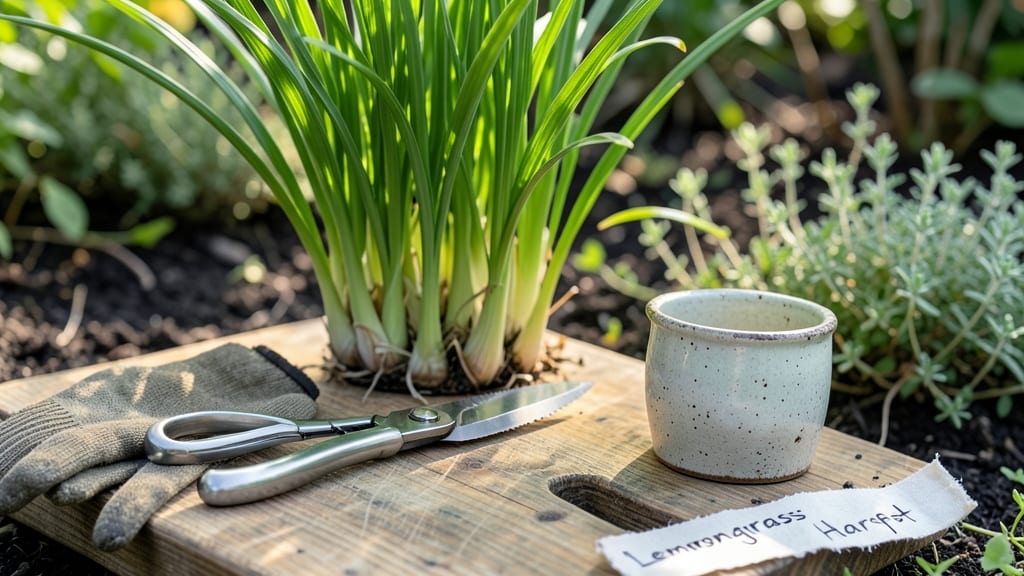
To harvest lemongrass at its peak flavor, cut the stalks just above the base when they reach 12–18 inches tall—before the plant bolts and turns bitter.
Lemongrass’s fragrant, citrusy stems lose their potency fast—harvesting at the right time ensures bold flavor for cooking and prevents bitter bolting.
This tropical herb thrives in zones 10–11 (or 9b+ with protection), and you can harvest year-round in warm climates or spring through fall in cooler areas.
Below, I’ll walk you through the exact cutting technique, how to store your harvest, and what to watch for to keep your plant producing fresh, flavorful stalks.
When and how to harvest lemongrass for maximum flavor
Timing is everything when harvesting lemongrass—wait too long, and you’ll lose that bright citrusy flavor as the stems become woody and bitter. The key is to harvest when plants are 3–4 months old and 12–18 inches tall, before they bolt (flower).
This ensures the essential oils responsible for that signature aroma are at their peak. I’ve found that harvesting in the morning after dew has dried gives the freshest stems for cooking or storage.
Look for deep green, glossy leaves that are fully unfurled but not yet flowering. The outer leaves should be mature but still tender—if they’re turning brown or woody, you’ve missed your window.
A quick sniff test works too: crush a leaf between your fingers—if it smells strongly of lemon or lime, it’s ready. This simple check saves me from harvesting stems that’ve already lost their potency.
| Harvest Stage | Plant Age | Stem Height | Leaf Condition | Flavor Intensity |
|---|---|---|---|---|
| Too Early | <3 months | Under 6" | Pale, sparse leaves | Mild, weak aroma |
| Optimal | 3–4 months | 12–18" | Deep green, glossy | Strong citrus scent |
| Too Late | >6 months | >24" | Woody, brown bases | Bitter, pungent |
🌱 Harvest before flowering to preserve flavor and encourage regrowth
To harvest, use a sharp pair of pruning shears or a clean kitchen knife to cut stems about 1–2 inches above the base. This leaves enough growth to sprout new shoots while avoiding the woody lower portion.
I always cut at a 45-degree angle to increase the surface area for water absorption, which helps the plant recover faster. Avoid pulling stems—this can damage the root system and stunt future growth.
Never harvest more than one-third of the plant at once, even if it looks abundant. Over-harvesting stresses the plant and can lead to bolting (flowering), which ruins the flavor.
I’ve learned this the hard way—once I cut back too aggressively, and my lemongrass sent up a tall flower stalk that turned bitter. Now, I space harvests 4–6 weeks apart to maintain a steady supply of fresh, flavorful stems.
After harvesting, rinse the stems briefly under cool water to remove dirt, then pat dry with a clean towel. Store them in a sealed plastic bag in the fridge for up to 2 weeks, or freeze the bottom 6 inches of the stem (where flavor concentrates) for later use.
For long-term storage, dry the stems by hanging them in a warm, dark place for 1–2 weeks until crisp, then strip and store the leaves in an airtight container.
If your lemongrass starts to bolt (shoot up a tall flower stalk), don’t panic—you can still use the lower stems for tea or broth, though the flavor will be milder. To prevent bolting in the future, ensure your plant gets full sun (6+ hours daily) and consistent moisture.
I also avoid over-fertilizing with high-nitrogen feeds, as this can encourage leafy growth at the expense of flowering.
One of my favorite tricks is to harvest the outer stems first, leaving the inner, younger growth to mature. This encourages bushier growth and extends your harvest season.
In my Zone 9b garden, I can harvest lemongrass year-round, but in cooler climates, I bring potted plants indoors before the first frost to keep them producing. With the right timing and care, a single lemongrass plant can provide harvests for months—or even years!
Remember, the younger the stem, the more tender and flavorful it is. If you’re growing lemongrass for culinary use, prioritize regular, light harvests over one big cut. This keeps your plants productive and your dishes packed with that bright, zesty aroma we all love. Happy harvesting!
Step-by-step guide: cutting lemongrass without killing the plant
Harvesting lemongrass correctly keeps your plant thriving while ensuring the brightest flavor. The key is cutting at the base of the stalk—never too close to the soil—to encourage fresh regrowth.
I’ve harvested my own lemongrass for years, and this method has kept my plants producing for over five years without replanting.
Use a sharp knife or pruning shears to make clean cuts. Avoid tearing the stems, which can damage the plant and invite disease. If you’re harvesting multiple stalks, leave at least three healthy stems to maintain the plant’s energy for regrowth.
This balance ensures you get fresh lemongrass while keeping your plant happy.
- 1 Select mature stalks: Choose stems that are 12–18 inches tall with deep green, glossy leaves. Crush a leaf to confirm the citrusy aroma—this signals peak flavor.
- 2 Sanitize your tools: Wipe your knife or shears with rubbing alcohol to prevent spreading bacteria. Clean tools = healthier plants.
- 3 Cut at the base: Hold the stalk firmly and cut just above the soil line (about 1/4 inch above). Avoid cutting into the thick, woody base—this can stunt regrowth.
- 4 Leave 3+ stalks: Never harvest more than 2/3 of the plant at once. Leaving 3–4 healthy stalks ensures the plant can recover and produce new growth.
- 5 Fertilize after cutting: Apply a balanced fertilizer (10-10-10) 2–3 days post-harvest to replenish nutrients. Water deeply to help the plant recover.
After harvesting, store your lemongrass stalks in a sealed plastic bag in the fridge for up to 2 weeks. For longer storage, wrap the stalks in a damp paper towel and freeze them—this preserves their flavor for months.
I always keep a stash in my freezer for quick access to fresh lemongrass in recipes.
If your lemongrass plant starts to bolt (flower), it’s a sign you waited too long to harvest. Bolting turns the stalks bitter and woody, ruining their flavor.
To prevent this, harvest every 4–6 weeks during the growing season. My plants bolted once when I neglected them for three months—a lesson I won’t forget!
With proper cutting techniques, your lemongrass will keep producing fresh, flavorful stalks for years. Just remember: cut at the base, leave enough stalks, and fertilize afterward. Your plant—and your recipes—will thank you!