
Pests and Diseases
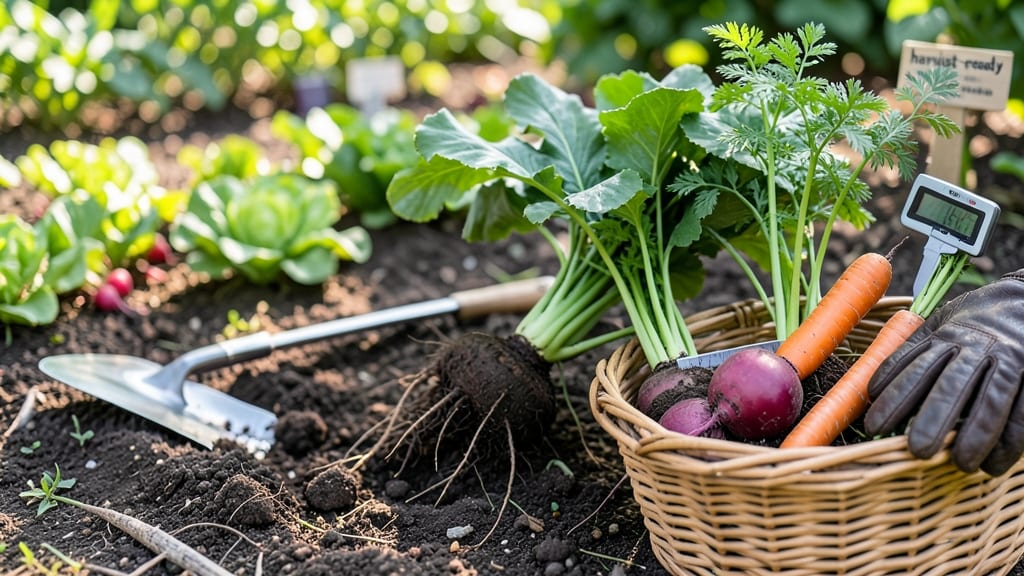
Harvesting beets and carrots at the right time means the difference between sweet, tender roots and tough, bitter ones that bolt before you can enjoy them.
Timing your beet and carrot harvest wrong means tough, woody roots—or worse, bolting before you even taste their sweetest flavors. Master these soil checks and visual cues to pull them at peak perfection.
Most gardeners wait too long, assuming bigger always means better. But the truth is, carrots 🥕 and beets reach their sweetest flavor when they’re firm but still tender—often before they’ve reached their full size. The key? Learning to read the soil and the plant’s signals.
In this guide, I’ll walk you through the exact methods to test for readiness, including how to check root diameter, soil resistance, and leaf signals—so you never miss the window again.
How to check soil and root size for perfect beet and carrot harvest timing
Knowing when to harvest beets and carrots isn't just about counting days—it's about reading your soil and plants. I've learned the hard way that pulling roots too early means mealy textures, while waiting too long risks bolting or woody roots.
The secret lies in three key checks: root diameter, soil resistance, and leaf signals that scream "harvest me now!"
Start by gently loosening the soil around your plants. The resistance you feel when pushing your finger into the earth tells you everything about root development. For carrots, if your finger meets firm resistance at 1-2 inches deep, the roots are likely ready.
Beets, on the other hand, often need 2-3 inches of soil resistance before they're fully developed.
Here's where many gardeners go wrong: they focus only on leaf size or top growth. But the real magic happens underground. A carrot with a 1-inch diameter might be perfect for baby carrots, while mature varieties should reach 1.5-2 inches.
For beets, baby varieties stop at 1-2 inches, but full-sized beets can grow up to 3-4 inches in diameter.
Now let's talk visual cues. Look for deep, rich colors—carrots should be orange all the way through, while beets develop intense reds, purples, or golds. If you see green shoulders on carrots, that's a sign they've been exposed to light, which can make them bitter.
For beets, wrinkled leaves or yellowing tops mean it's time to harvest before bolting.
Don't forget the tactile test. Gently grasp a few leaves or stems—if they snap easily, the roots are likely mature. For carrots, a slight give when pressed indicates perfect sweetness. Beets should feel firm but not hard when you squeeze them gently through the soil.
| Plant & Check | Beets | Carrots |
|---|---|---|
| Root Diameter | 1-4 inches (varies by type) | 1-2 inches (baby), 1.5-3 inches (mature) |
| Soil Resistance | 2-3 inches deep | 1-2 inches deep |
| Leaf Color | Deep green, no yellowing | Vibrant green, no wilting |
| Texture Test | Firm but not hard | Slight give when pressed |
| Harvest Window | 50-70 days (baby), 60-80 days (mature) | 60-80 days (baby), 70-90 days (mature) |
| Bolting Warning | Yellow leaves, flower stalks | Green shoulders, bitter taste |
One of my biggest mistakes was ignoring the seasonal clock. Early spring plantings often mature faster due to cooler soils, while late summer heat can slow root growth.
I now adjust my harvest timing based on average frost dates—never letting carrots or beets sit in the ground past the first frost, even if they look perfect.
For continuous harvests, I plant successive crops every 2-3 weeks. This ensures a steady supply while preventing overgrowth. If you're growing heirloom varieties, like Chioggia beets or Purple Haze carrots, always check the seed packet for specific days to maturity—these can vary widely.
Pro tip: If you're unsure, harvest a test root. Dig up one or two and check their size and flavor. This gives you instant feedback without risking your entire crop. I've saved many a harvest this way when the soil conditions were confusing.
Remember, bolting is your worst enemy. If your plants start sending up flower stalks, it's a clear sign they've decided to reproduce instead of storing energy in their roots. This usually happens when days get longer or temperatures rise.
To prevent this, use shade cloth in hot climates or plant bolt-resistant varieties like Detroit Dark Red beets or Nantes carrots.
Finally, always harvest on a cool, cloudy day. This reduces stress on the plants and keeps your roots fresher longer. Store them in the crisper drawer of your fridge for up to 2 weeks—though I can't promise they'll last that long in my house!
Beet vs. carrot harvesting: key differences in timing and soil conditions
Harvesting beets and carrots requires different timing strategies because these roots mature at distinct rates and respond uniquely to soil conditions. While both thrive in loose, well-draining soil, their ideal harvest windows vary significantly based on variety and environmental factors.
For example, baby beets can be ready in just 30-40 days, while standard varieties need 50-60 days to reach peak sweetness. Carrots, on the other hand, typically take 60-80 days to mature, with shorter varieties like 'Paris Market' harvesting earlier than long types like 'Danvers'.
Soil type plays a critical role in determining harvest timing. In sandy soil, roots grow faster but may become woody if not harvested promptly, while clay soil can slow growth, extending the harvest window. The key is monitoring both the plant’s visual cues and soil resistance when pulling roots.
For instance, beets develop a deep, rich color when ready, while carrots should have a firm, consistent shape with no green shoulders—signs they’ve reached their sweetest stage.
| Factor | Beets | Carrots |
|---|---|---|
| Ideal Harvest Time | 30-60 days (baby/mature) | 60-80 days (short/long) |
| Peak Sweetness Cue | Deep color, 1-2" diameter | Firm, consistent shape |
| Sandy Soil Effect | Faster growth, harvest sooner | Risk of woody texture |
| Clay Soil Effect | Slower growth, extend window | May develop forked roots |
| Bolting Risk | High in heat (>80°F) | Moderate in drought |
One common mistake I see is assuming all beets need to reach their maximum size before harvesting. In reality, baby beets (harvested at 1-2 inches) are sweeter and more tender than their mature counterparts.
For carrots, the rule is similar: shorter varieties like 'Little Finger' are best pulled when they reach 2-3 inches, while longer types like 'Chantenay' should be 6-8 inches long. Always check the seed packet for variety-specific guidelines, as these can vary widely.
Soil temperature also impacts harvest timing.
Beets prefer cooler soil (60-65°F) and may bolt if exposed to prolonged heat above 80°F. Carrots, while more heat-tolerant, still perform best in soil between 65-75°F. To test soil readiness, insert a thermometer 2 inches deep—this gives you the most accurate reading for root development.
If temperatures rise unexpectedly, consider shading your beds with row covers to delay bolting and extend your harvest window.
Another pro tip: test a few roots before committing to a full harvest. Gently pull a beet or carrot and check its texture—it should snap cleanly at the stem and have a firm but slightly yielding body.
If the root feels hard or develops a hollow core, it’s past its prime. For beets, the leaf color is a dead giveaway: vibrant green leaves signal healthy growth, while yellowing or wilting means it’s time to harvest before the plant diverts energy to seed production.
Remember, the goal is to harvest when roots are sweetest and tenderest, not necessarily largest. In my garden, I often find that pulling beets and carrots a week or two before their "full maturity" date yields the best flavor.
This approach also prevents overcrowding, which can stress plants and reduce quality. With these soil checks and visual cues, you’ll never miss the perfect harvest window again.