
How To
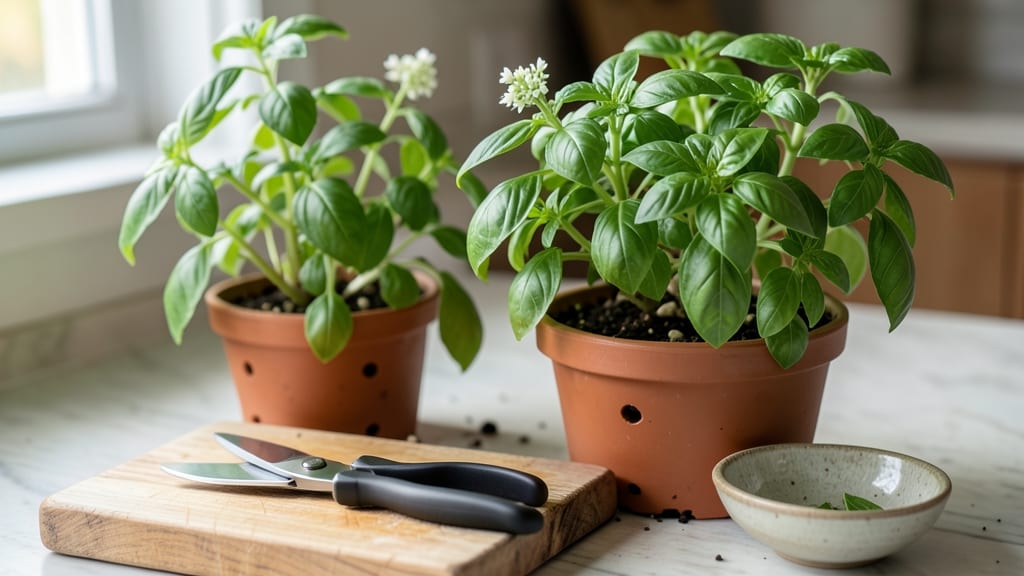
To harvest lemon basil at its peak flavor and aroma, you’ll want to cut stems just above a leaf node before flowering—this simple technique keeps your 🌿 thriving and your kitchen bursting with citrusy goodness.
Picture this: you’ve nurtured your lemon basil for months, only to watch it bolt into flower, turning bitter and woody. That’s the moment you realize timing is everything—and the difference between a harvest of vibrant leaves and a sad, flavorless disappointment.
Harvesting at the right stage isn’t just about snipping leaves; it’s about encouraging bushier growth, preserving that bright lemon scent, and avoiding the common pitfalls that turn your herb into a sad, leggy shadow of its former self.
In this guide, I’ll walk you through the exact three signs your lemon basil is ready, the step-by-step cutting method that prevents bolting, and how to store your harvest—whether fresh or dried—to enjoy that zesty flavor all year long.
3 Clear signs your lemon basil is ready for harvesting (and when to stop)
Timing your lemon basil harvest is everything—pick too early, and you’ll miss out on flavorful leaves. Harvest too late, and you risk bolting, which turns your sweet, citrusy basil into bitter, flowering stems.
The key is catching those 3 clear signs that your plant is at its peak, ready to give you the most aromatic, vibrant leaves possible.
Your lemon basil’s journey from seedling to harvest window typically takes 60-75 days under ideal conditions.
But don’t rely solely on days—watch for these visual and tactile cues that scream, “It’s time to harvest!” Miss them, and you might end up with a plant that’s past its prime, producing tougher leaves and fewer harvests.
🌿 Numbered Highlights: 3 Signs Your Lemon Basil Is Ready
- 1. Leaf Size & Color: Leaves should be 3-4 inches long, vibrant green, and fully unfurled. Look for bright, glossy leaves—dull or yellowing leaves mean it’s past its prime.
- 2. Strong Lemon Scent: Crush a leaf between your fingers—if it releases a bold citrus aroma, it’s harvest-ready. Weak or no scent? Wait a few more days or check your plant’s growing conditions.
- 3. Stem Maturity: Stems should be sturdy but not woody. Gently tug a stem—if it separates cleanly (not snaps), it’s ready. Woody stems mean you’ve missed your window.
🚨 Pro Tip: Avoid harvesting when your plant is flowering—this triggers bolting, and the leaves become bitter. Cut back flowering stems immediately to redirect energy to leaf production.
If your lemon basil is still small with tiny, sparse leaves, it’s not ready. Wait until the leaves are fully developed—this usually happens when the plant reaches 6-12 inches tall. Patience here pays off with larger, more flavorful harvests down the line.
Another visual cue is the plant’s overall health. Healthy lemon basil has a compact, bushy growth habit. If it’s leggy or sparse, it might need more sunlight or nutrients before you harvest.
Check the soil moisture too—wilting or crispy leaves mean it’s time to adjust your watering routine before harvesting.
Once you spot these signs, act quickly. Lemon basil can go from prime to bolting in just 7-10 days, especially in hot climates. Harvesting at the right time ensures you get maximum yield and preserve that signature lemon flavor that makes this herb so special.
Pro tip: Harvest in the morning after the dew has dried—this is when the oil content (and flavor) is highest.
But what if you’ve missed the window? Don’t panic. If your plant has already bolted, you can still prune back the flowers to encourage new leaf growth.
While the leaves may not be as flavorful, they’re still edible—just use them sparingly in recipes where bitterness won’t be an issue, like pestos or infused oils.
Remember, lemon basil is an annual herb, so the more you harvest correctly, the more it will reward you with lush, flavorful growth throughout the season. Keep an eye on those 3 key signs, and you’ll enjoy a steady supply of this zesty, aromatic herb all summer long.
Now that you know when to harvest, the next step is how. The method you use can make or break your plant’s future harvests—so stay tuned for my next section on the step-by-step harvesting technique that keeps your lemon basil thriving! ✂️
Step-by-step lemon basil harvesting technique: avoid these 2 common mistakes
Harvesting lemon basil correctly isn’t just about grabbing a few leaves—it’s about encouraging bushier growth while preserving that bright citrus flavor. The key? Cutting stems (never individual leaves) just above a leaf node.
This simple technique signals the plant to branch out, giving you a longer harvest season instead of a single, sad flush of growth.
Most gardeners make two critical mistakes: harvesting leaves instead of stems or waiting until the plant bolts. Both lead to bitter, woody leaves and stunted regrowth. By following my step-by-step method, you’ll avoid these pitfalls and keep your lemon basil thriving for months.
✂️ Step 1: Gather Your Tools
Use clean, sharp pruning shears or sterilized scissors to avoid damaging stems or spreading disease. A small bowl or container for the harvest keeps leaves intact.
🌱 Step 2: Identify the Right Stems
Look for sturdy stems with 4-6 leaves. Avoid cutting the main central stem—this encourages legginess. Focus on side branches instead.
✂️ Step 3: Make the Cut
Hold the stem at a 45-degree angle and cut just above a leaf node (the point where leaves attach). This promotes new growth from that node.
💧 Step 4: Post-Harvest Care
After cutting, water the plant deeply to reduce stress. Remove any yellow or damaged leaves to keep the plant healthy.
🌿 Step 5: Store Your Harvest
For fresh basil, trim stems and place in a glass of water in the fridge for up to 10 days. For drying, hang stems upside down in a dark, dry place for 1-2 weeks.
Timing your harvest is just as important as the technique. Always harvest in the morning when essential oils are at their peak. Avoid cutting after 10 AM, as the heat can reduce flavor and cause wilting.
One of the biggest mistakes I see is harvesting too late. Once your lemon basil starts flowering, the leaves turn bitter and lose their signature lemony aroma. If you notice tall flower stalks, it’s time to prune aggressively and focus on new growth.
With this method, you’ll enjoy bushier plants and longer harvests—plus, your kitchen will always smell like sunshine. Happy harvesting! 🌞