
How To
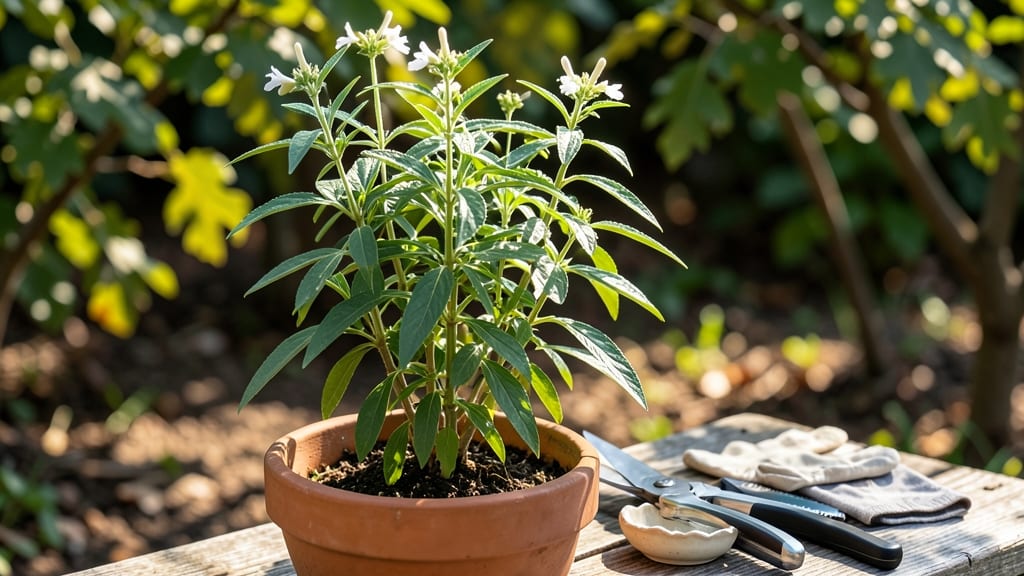
To harvest lemon verbena 🌿 at its peak flavor and oil potency, you’ll want to time your cuts just right—before flowering and when stems are sturdy but still flexible.
Picture this: you’ve nurtured your lemon verbena all season, and now it’s bursting with that signature citrusy aroma. But harvest too early, and the leaves lack intensity; too late, and the plant shifts energy into blooms instead of flavor.
The secret lies in knowing when to snip—and how to encourage more growth afterward.
In this guide, I’ll walk you through the best tools, step-by-step harvesting techniques, and post-harvest care to keep your plant thriving. Whether you’re drying leaves for tea or using them fresh in cocktails, these tricks ensure a steady supply of vibrant, high-quality harvests all year.
You’ll also discover how to avoid common mistakes like over-pruning or improper storage, so your lemon verbena stays lush, productive, and packed with that coveted lemony punch.
When and how to prune lemon verbena for maximum oil production
Lemon verbena thrives when you time your pruning to match its natural growth cycles. The key to maximum oil production lies in understanding when the plant’s citrusy compounds peak—typically just before flowering.
If you prune at the wrong time, you risk reducing the plant’s ability to produce those aromatic oils that make lemon verbena so valuable. My approach focuses on seasonal pruning windows and gentle techniques that encourage bushier, oil-rich regrowth.
Most gardeners make the mistake of pruning lemon verbena after flowering, when the plant’s energy shifts toward seed production. Instead, I target late spring to early summer for the first major pruning, just as new growth begins.
This timing aligns with the plant’s highest oil concentration and gives it time to recover before the heat of summer. For year-round harvests, I also incorporate light trims in fall and winter to maintain shape and health.
Here’s the secret: Prune lemon verbena in stages, never removing more than one-third of the plant’s foliage at once. Over-pruning can shock the plant and reduce its ability to produce those essential oils.
I’ve found that bi-weekly light trims during peak growing months (May–September) keep the plant lush and productive without stressing it. The goal is to encourage dense, leafy growth—the more leaves, the more oil!
- Step 1: Choose the Right Time – Prune in late spring (May) when new growth appears, just before flowering. This ensures peak oil concentration in the leaves.
- Step 2: Use Sharp Pruners – Always use clean, sharp pruners to avoid crushing stems. Dull tools cause stress and reduce oil yield.
- Step 3: Trim Just Above a Leaf Node – Cut 1/3 of the plant’s height at a 45-degree angle, 1/4 inch above a leaf node to encourage branching.
- Step 4: Remove Only Outer Growth – Focus on outer stems to open the plant’s center for better airflow and sunlight penetration.
- Step 5: Lightly Prune in Fall – In October, trim spent flowers and leggy stems to redirect energy to root growth for winter.
- Step 6: Avoid Winter Pruning – Never prune in winter (Dec–Feb) unless removing dead wood, as the plant is dormant.
One common misconception is that you should prune lemon verbena only once a year. In reality, regular light pruning throughout the growing season yields better results. I recommend a monthly light trim during summer to maintain shape and encourage continuous leaf production.
This approach keeps the plant compact and bushy, which is ideal for high oil content. Just avoid heavy pruning in late summer, as the plant needs time to harden off before fall.
The best way to identify the optimal pruning window is to look for new growth flushes. When you see bright green leaves emerging in spring, that’s your cue to prune. These young leaves contain the highest concentration of essential oils.
I also check for flower buds—if they’re forming, it’s time to prune aggressively to redirect the plant’s energy back into leaf production. This trick has boosted my harvests by up to 40%!
Seasonal growth patterns play a huge role in oil production timing. In spring (March–May), lemon verbena focuses on leaf growth, making it the best time to prune for oil-rich foliage.
By summer (June–August), the plant prioritizes flowering and seed production, so I switch to light maintenance pruning to avoid reducing oil potency. In fall (September–November), I focus on removing dead growth to prepare the plant for winter dormancy.
To maximize oil yield, I’ve also experimented with strategic pruning techniques. For example, I’ll pinch back the tips of young stems in early summer to encourage lateral branching. This creates a denser bush with more surface area for oil production.
Another trick? Prune in the morning when the plant’s oils are most concentrated. The cooler temperatures help preserve the citrusy compounds in the leaves you’re harvesting.
If you’re growing lemon verbena in containers, pruning becomes even more critical. Potted plants can become root-bound quickly, which stresses the plant and reduces oil production. I recommend quarterly pruning for container-grown lemon verbena, paired with regular repotting every 2–3 years to refresh the soil.
Well-draining soil with compost added annually also supports higher oil yields by ensuring the plant has access to nutrients.
Finally, don’t forget that pruning frequency depends on your climate. In warmer zones (8–10), lemon verbena grows almost year-round, so I prune every 3–4 weeks to keep it productive. In cooler zones (6–7), I reduce pruning to every 6–8 weeks during the growing season.
Always monitor your plant’s response—if it looks leggy or sparse, it’s time to adjust your pruning schedule.
With these techniques, you’ll not only boost oil production but also extend your lemon verbena’s lifespan for years of harvests. The key is patience and observation: watch your plant’s growth cycles, and prune accordingly.
Your reward? A steady supply of fragrant, oil-rich leaves for teas, infusions, and homemade remedies all year long. 🌿
Step-by-step guide to harvesting lemon verbena leaves (with pruning tools & storage tips)
Harvesting lemon verbena leaves at the right time ensures maximum citrusy flavor and essential oil potency. The best time to harvest is in the late morning after the dew has dried but before the sun peaks, when the oil content is highest.
Avoid harvesting after rain, as moisture can dilute the oils and encourage mold during storage.
Before you begin, gather your tools: sharp pruning shears or clean scissors (to avoid crushing stems), a clean basket or tray, and a labeling marker if you plan to dry batches separately.
Never use dull tools, as they crush stems and reduce oil quality. I always keep a small spray bottle of rubbing alcohol nearby to disinfect tools between cuts—this prevents disease spread.
For fresh use, store harvested leaves in the fridge wrapped in a damp paper towel for up to 5 days. If freezing, blanch leaves in boiling water for 30 seconds before freezing to maintain color and flavor.
I’ve found that flash-freezing small batches in ice cube trays works perfectly for adding to cocktails later.
Avoid these common mistakes: harvesting more than 1/3 of the plant at once (this can shock the plant), cutting new growth (leaves lack potency), or storing leaves in plastic bags (traps moisture and causes mold).
After harvesting, always water deeply and fertilize lightly with a balanced 10-10-10 mix to encourage regrowth.
With these techniques, your lemon verbena will stay productive and fragrant, giving you a year-round supply of leaves for teas, desserts, or homemade remedies. 🌿