
How To
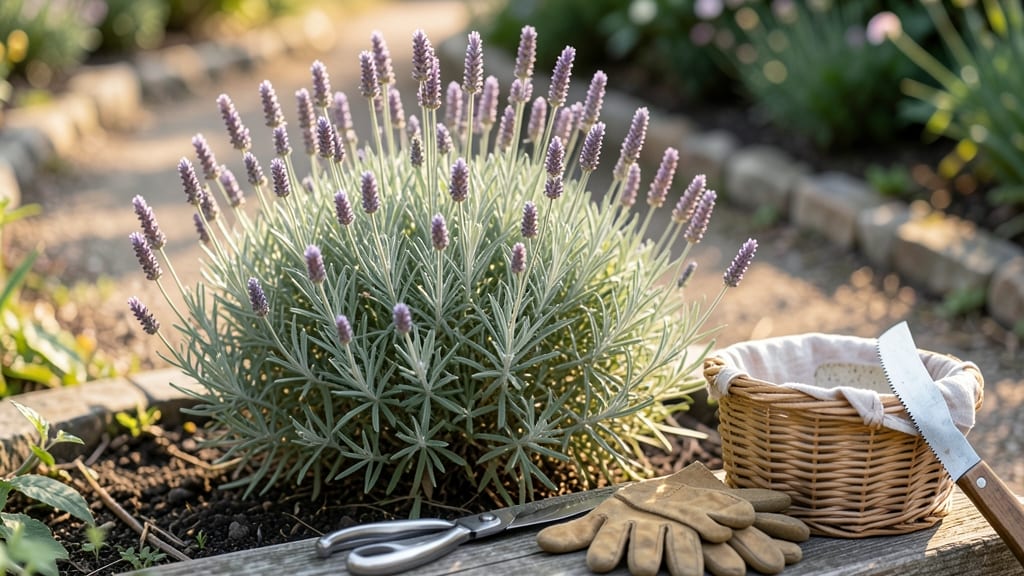
To harvest lavender for tea, you’ll want to snip the buds just before they bloom in mid-to-late summer 🌿 — that’s when the oils are richest and the flavor brightest.
Picture this: you’ve spent months nurturing your lavender, and now it’s finally time to reap the rewards. But if you wait too long, those delicate buds turn bitter, and your tea loses its signature floral charm. The secret? Timing is everything.
In Zone 6, the best window is July or early August, when the buds are swollen but haven’t yet opened. A sharp pair of shears and a dry morning are your best tools—this ensures the stems stay fresh and the drying process locks in that signature lavender aroma.
Below, I’ll walk you through the exact steps to cut, bundle, and dry your lavender so every sip of your tea is bursting with flavor. No more weak, watery brews—just pure, fragrant perfection.
When to harvest lavender for tea: the perfect timing guide
Harvesting lavender at the right moment transforms your garden into a fragrant tea treasure trove. The key lies in understanding the ideal growth stage—budding—not fully bloomed flowers. This ensures maximum flavor and aroma in your dried lavender, making every sip of tea a calming experience.
I’ve learned that timing isn’t just about the season; it’s also about the time of day and even the weather conditions.
Lavender’s peak harvest window occurs when buds are swollen but haven’t yet opened. This stage, called early bud, guarantees the highest concentration of essential oils, which are the heart of lavender’s signature scent and taste.
If you wait until flowers fully bloom, your tea will taste bitter and lose its delicate floral notes. Trust me, your taste buds—and your stress levels—will thank you for this precision.
Now, let’s dive into the critical details that separate a good harvest from a great one. The following steps will guide you through the perfect timing, ensuring your lavender tea is nothing short of extraordinary.
- 1 Harvest at the budding stage: Wait until 20-30% of buds are swollen but not yet open. This ensures maximum essential oil content and delicate flavor.
- 2 Morning harvest: Pick lavender early in the morning after dew has evaporated (around 8-9 AM). This preserves freshness and aroma before the heat of the day sets in.
- 3 Mid-to-late summer timing: Aim for July through early August in most climates. In cooler regions (Zone 5 or below), extend to early September for a second harvest.
- 4 Avoid overcast days: Harvest on sunny, dry days to prevent mold during drying. Overcast weather can lead to damp stems, ruining your tea’s quality.
- 5 Check stem flexibility: Stems should be woody but flexible, not brittle. Brittle stems indicate the plant is overmature and past its prime for tea.
Seasonal timing is crucial, but don’t overlook the time of day. I always harvest my lavender between 8 AM and 10 AM when the morning dew has evaporated but the sun hasn’t yet peaked. This early morning window ensures the buds are hydrated and packed with essential oils.
Harvesting later in the day can lead to wilting stems and a loss of aromatic compounds, which are volatile and easily lost to heat.
If you’re in a cooler climate (Zones 3-5), you might need to adjust your timing slightly. Lavender in these regions often flowers a bit later, so aim for early to mid-August instead.
Pay close attention to your plants—when the buds begin to swell and turn purple, that’s your cue to act. Missing this window means waiting another year for another chance at perfect tea lavender.
One common mistake I see is harvesting lavender that’s already in full bloom. Fully opened flowers may look pretty, but they’ve already released much of their essential oils, leading to a bitter, grassy tea instead of the sweet, floral brew you desire.
To test readiness, gently crush a few buds between your fingers. If they release a strong, sweet lavender scent, they’re ready for harvest. If not, wait a few more days.
For those in warmer climates (Zones 7-10), lavender may start budding as early as June. However, the first flush of growth is often lighter in essential oils. The second harvest in late July or early August typically yields the most potent and flavorful buds.
If you’re unsure, harvest a small batch and dry it to test the flavor before committing to a full harvest.
Finally, remember that consistent harvesting encourages healthier lavender plants. Never cut more than one-third of the plant at a time, and always use clean, sharp shears to avoid damaging the stems. This practice not only improves your tea’s quality but also promotes longer-lived lavender bushes for years of delicious harvests.
With these timing tips, you’ll be well on your way to crafting the perfect lavender tea—one that’s fragrant, soothing, and packed with the full spectrum of lavender’s natural goodness. Happy harvesting! 🌿
Step-by-step lavender harvesting and drying for tea
Harvesting lavender for tea is all about preserving those delicate floral oils that give your brew its signature aroma. The key? Cutting at the right time and drying properly to lock in flavor.
If you rush this step, you’ll end up with bitter, muted tea instead of the fragrant cup you dream of.
Start by gathering your tools: sharp pruners or shears, a clean basket, and a drying rack or mesh bags. Avoid plastic bags—they trap moisture and ruin your harvest. Once you’ve got everything ready, it’s time to move to the field with precision timing in mind.
How to Harvest Lavender for Tea
-
Step 1: Choose the Right Time
Harvest in the early morning after dew has dried but before midday heat. Aim for July-August when buds are swollen but not yet open.
-
Step 2: Cut Stems Properly
Use clean shears to cut stems at a 45-degree angle, leaving 3-4 inches of growth below buds. Avoid crushing stems to prevent oil loss.
-
Step 3: Bundle Stems
Gather 10-15 stems and tie them loosely with twine or rubber bands. Hang bundles upside down in a well-ventilated, dry area.
-
Step 4: Dry Completely
Dry for 2-3 weeks in a dark, dry place (like a closet) with good airflow. Buds should crumble easily when touched.
-
Step 5: Store Properly
Once fully dry, strip buds from stems and store in an airtight container away from light and moisture. Use within 6 months for best flavor.
One common mistake? Harvesting overripe flowers—they’ll turn bitter and ruin your tea. Another pitfall is drying lavender too quickly with heat, which strips essential oils. Instead, opt for slow, natural drying in a cool, shaded spot.
Pro tip: If you’re short on space, try drying lavender on a screen or mesh rack in a single layer. This ensures even airflow and prevents mold. Once dried, your lavender should smell intensely floral—a sure sign it’s ready for tea!
With these steps, you’ll transform your garden into a fragrant tea factory in no time. Now, grab that kettle and enjoy the fruits of your labor—literally! ☕🌿