
How To
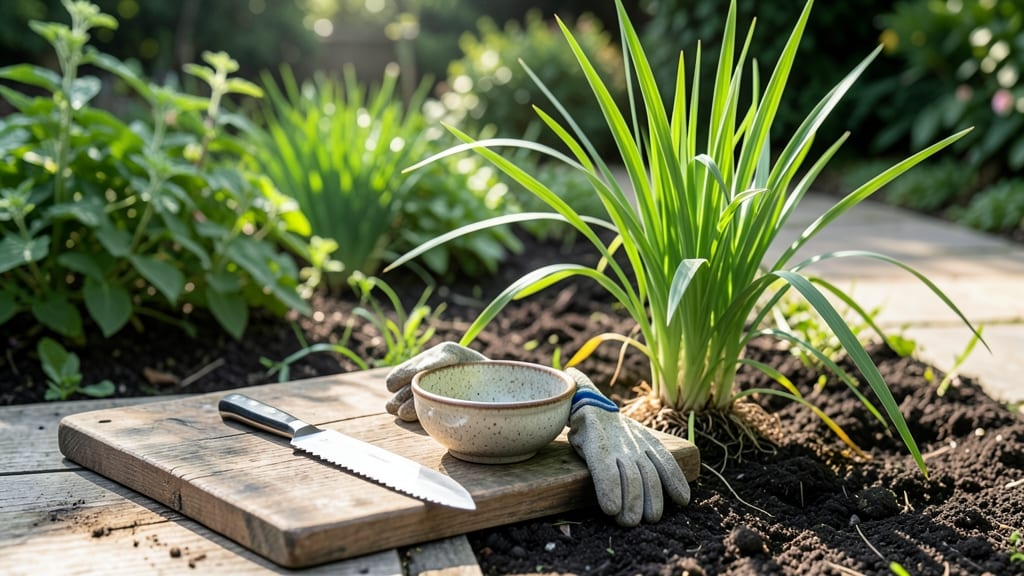
Harvesting lemongrass for tea starts with the right stems and timing — because the best tea comes from plants that are mature but not overgrown.
Picture this: you’ve nurtured your 🌿 lemongrass through the seasons, and now it’s time to reap the rewards. But if you cut too early, the flavor fades, and if you wait too long, the stems toughen.
The trick? Knowing exactly when to snip for that perfect citrusy punch in every cup.
In General (Tropical/Subtropical Regions), where lemongrass thrives year-round, the ideal harvest window is when stems reach 12-18 inches tall—that’s when the oils peak. Below, I’ll walk you through the best tools, cutting techniques, and drying methods to preserve that fresh, zesty aroma in your homemade tea.
You’ll also discover how to keep your plant happy after harvest so it keeps producing flavorful stems for months to come. No more guesswork—just a steady supply of tea-ready lemongrass.
When and how to harvest lemongrass stems for maximum flavor
Harvesting lemongrass at the right time ensures your tea blends burst with that bright citrusy aroma we all love. The key window is when your plants are 3-4 months old and have reached 12-18 inches tall.
This is when the essential oils peak, giving your homemade tea that signature zesty punch.
Younger stems—around 6-12 inches—produce a milder flavor, perfect for gentle tea infusions. But for that bold, aromatic kick, always aim for the thicker, mature stems. The older the plant gets, the more intense the flavor becomes, but wait too long and you risk woody, less flavorful bases.
Seasonal timing matters too. In USDA Zones 9a-11, you can harvest year-round, but spring and summer yields are typically richer due to optimal growing conditions. If you're in cooler climates, focus on late spring through early fall before the first frost hits.
Before harvesting, give your plants a quick check: crush a leaf and sniff—if it smells strongly citrusy, it's ready. The leaves should also be vibrant green and fully elongated. If they're yellowing or sparse, hold off until the next growth cycle.
Now, let's talk about the best stems to pick. Always choose the outer stems first, leaving the innermost 3-4 inches of the plant intact. This encourages regrowth and ensures your lemongrass keeps producing for months.
Avoid cutting into the hard, woody base—this can stress the plant and reduce future yields.
Here’s a quick reference to help you decide when and how to harvest for the best flavor:
| Stage | Stem Height | Best For | Harvest Time |
|---|---|---|---|
| Young Growth | 6-12 inches | Mild tea blends | Spring/Summer |
| Mature Stems | 12-18 inches | Bold, citrusy tea | Year-round (ideal zones) |
| Over-Mature | 18+ inches | Woody, less flavorful | Avoid |
For continuous harvests, space your cuts about 6-8 weeks apart. This gives the plant time to regrow and maintain its vigor. If you're harvesting for large batches, like for drying or freezing, focus on the outer stems first and work your way inward.
This method keeps your lemongrass bushy and productive.
One pro tip: Harvest in the morning after the dew has dried but before the midday heat sets in. This preserves the essential oils and keeps the flavor at its peak.
Store your freshly cut stems in a paper bag in the fridge for up to 2 weeks if you can't process them immediately.
Remember, the healthier your lemongrass plant, the better your tea will taste. Always use clean, sharp pruners to avoid damaging the stems, and never remove more than one-third of the plant at once. This balance ensures your lemongrass keeps thriving and delivering that zesty, aromatic punch every time.
Now that you know the perfect time and stems to harvest, your next step is cleaning and drying them properly. This is where the real magic happens—turning fresh lemongrass into a fragrant, long-lasting tea ingredient.
Step-by-step guide to cleaning, cutting, and drying lemongrass for tea
Once you've harvested your lemongrass stems at the perfect 12-18 inch height, the next steps are crucial for preserving that citrusy aroma and essential oils that make your tea exceptional.
Proper cleaning, cutting, and drying techniques ensure your lemongrass retains its flavor potency for months—whether you're making fresh tea or storing for later. Let's dive into the proven methods that gardeners swear by to maximize your harvest's potential.
Before you begin, gather your tools: a sharp pruning shears, a clean cutting board, a colander, and either a dehydrator or a well-ventilated drying space. The goal is to remove any soil residue and trim the stems just right to unlock the full aromatic potential of your lemongrass.
Skipping these steps can lead to duller tea flavors, so let's make sure you do it right the first time.
How to Harvest Lemongrass for Tea
- 1 Rinse the stems under cool water to remove soil and debris. Gently rub the leaves between your fingers to dislodge any hidden dirt in the crevices.
- 2 Trim the roots at the base using sterilized scissors. Cut about 1-2 inches from the bottom to remove any fibrous material that could harbor moisture.
- 3 Cut the stems into 4-6 inch sections. Focus on the lower 2/3 of the stem, where the most essential oils are concentrated. Discard the tough upper portions.
- 4 Choose your drying method. For air-drying, bundle 5-6 stems together and hang upside down in a well-ventilated area away from direct sunlight. For dehydrating, spread stems on trays at 95°F (35°C) for 2-4 hours.
- 5 Test for dryness by bending a stem. If it snaps easily and the leaves crumble, it's ready. This usually takes 7-10 days for air-drying or 2-4 hours in a dehydrator.
- 6 Store in airtight containers. Keep dried lemongrass in a glass jar or sealed bag away from light and moisture. Properly stored, it will retain its aroma for up to 6 months.
Air-drying is the most traditional method and requires minimal equipment, but it takes patience. The key is to ensure good airflow to prevent mold. I like to hang my bundles in my kitchen near the exhaust fan to speed up the process slightly.
If you're short on time, a dehydrator is your best friend—just avoid overheating, which can strip away those precious volatile oils.
Once your lemongrass is fully dried, you can store it in small batches to preserve freshness. Label your containers with the harvest date so you can use the oldest batches first.
When it's time to brew, simply crush the dried stems slightly to release the citrusy oils and steep in hot water for 5-10 minutes for a soothing, fragrant tea.
Remember, the quality of your tea starts with how well you prepare your lemongrass. Taking these extra steps ensures every cup you brew is packed with that bright, zesty flavor that makes homemade tea worth the effort. Happy harvesting—and may your garden always yield the freshest, most aromatic stems! 🌿