
Vegetables
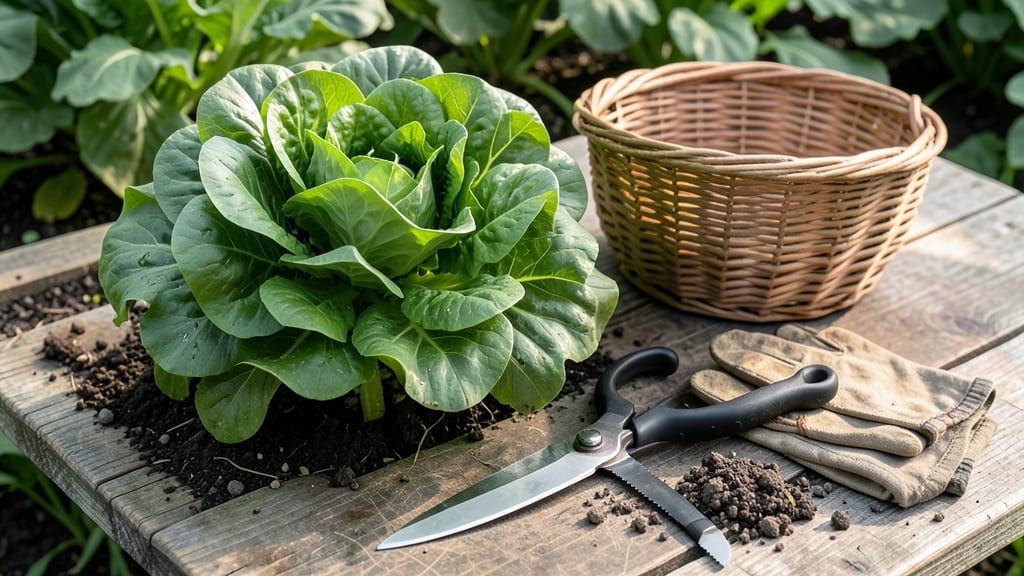
Harvesting salad bowl lettuce at the perfect moment means the difference between crisp, sweet leaves and bitter, bolted disappointment.
Nothing ruins a fresh salad quite like bolted lettuce—those tough, seed-stalked stalks that turn your 🥬 into a sad, inedible mess. But timing your harvest right keeps your greens tender, flavorful, and ready for the bowl.
Most salad bowl varieties—like Buttercrunch or Romaine—are ready to pick when leaves reach 4-6 inches and feel firm to the touch. Wait too long, and you’ll trigger bolting, especially in hot weather. The key? Snip outer leaves first to encourage regrowth and keep harvesting every 1-2 weeks.
In this guide, I’ll walk you through the exact signs to watch for, how to avoid common mistakes, and even how to store your harvest so it stays fresh for days. No more wasted lettuce—just crisp, flavorful bites.
When to harvest salad bowl lettuce for peak crispness and flavor
Timing your salad bowl lettuce harvest is everything—pick too early, and you’ll get sparse, underdeveloped leaves. Harvest too late, and you risk bitter bolting or rubbery texture. The secret lies in watching for leaf maturity and environmental cues that signal peak flavor and crispness.
Most salad bowl varieties like Buttercrunch or Romaine take 30-60 days to reach harvest readiness, but don’t rely solely on days-to-maturity. Instead, focus on leaf size, firmness, and color vibrancy—these are your best indicators of restaurant-quality texture.
🌱
| Variety | Leaf Size | Firmness | Color Cues | Harvest Window |
|---|---|---|---|---|
| Buttercrunch | 4-6" leaves | Thick, crisp | Deep green, no yellowing | 45-55 days |
| Romaine | 6-8" leaves | Stiff, upright | Bright green, no red streaks | 50-60 days |
| Loose-Leaf (e.g., Black Seeded Simpson) | 3-5" leaves | Tender but firm | Rich green, no browning | 30-40 days |
| All Varieties (General Rule) | Check outer leaves | Resists bending | Consistent with seed packet | Morning harvest |
For loose-leaf varieties, you can start harvesting as soon as the outer leaves reach 3-5 inches. These types regrow quickly, so cut-and-come-again harvesting works perfectly—just snip the largest leaves and leave the rest to mature. This method gives you continuous harvests for weeks.
Head lettuces like Buttercrunch or Iceberg need more patience. Wait until the entire head feels firm and the outer leaves are fully unfurled. Gently squeeze the head—if it’s solid and heavy for its size, it’s ready. If the core still feels soft, wait 3-5 more days.
Weather plays a critical role in harvest timing. Cool mornings (50-65°F) and evening temperatures below 70°F preserve crispness. If your area hits consistent 80°F+ days, lettuce bolts faster—harvest earlier than usual to avoid bitter stems. Shade cloth can buy you 1-2 extra weeks of harvest time in hot climates.
🌡️
Never harvest after a hard frost—lettuce becomes mushy and discolored. Instead, use row covers to extend your harvest window into fall. For <
How to prevent bolting in salad bowl lettuce before harvest
Bolting transforms your salad bowl lettuce from crisp, tender greens to bitter, woody stalks in record time. The culprit? Often heat stress, poor soil conditions, or over-maturity. But with the right strategies, you can delay bolting and keep your lettuce harvestable for weeks longer.
First, focus on soil temperature. Lettuce bolts when soil temps exceed 75°F (24°C). Use mulch or shade cloth to keep roots cool, especially in summer. I’ve had success with straw mulch—it retains moisture and insulates the soil.
⚠️ callout warning
Packing lettuce seeds too closely triggers competition for nutrients and water, weakening plants and making them more prone to bolting. Space seeds 12-18 inches apart in rows 24 inches apart for optimal airflow and growth.
Fix it: Thin seedlings early to avoid stress. Use a hand trowel to gently remove excess plants, leaving only the strongest.
Next, adjust your watering routine. Lettuce needs consistent moisture—never let soil dry out. I water mine early in the morning to prevent fungal diseases while keeping roots hydrated. During heatwaves, add drip irrigation to deliver water directly to the soil.
Another trick? Companion planting. Pair your salad bowl lettuce with radishes or carrots, which shade the soil and retain moisture. Avoid planting near tomatoes or cabbage, which compete for nutrients and stress the lettuce.
Finally, harvest outer leaves first to encourage regrowth. Use clean scissors and cut just above the next set of leaves. This method keeps your lettuce productive for 6-8 weeks instead of bolting after 4.
With these adjustments, your salad bowl lettuce will stay tender and crisp—no bitter surprises at harvest time. 🥬