
How To
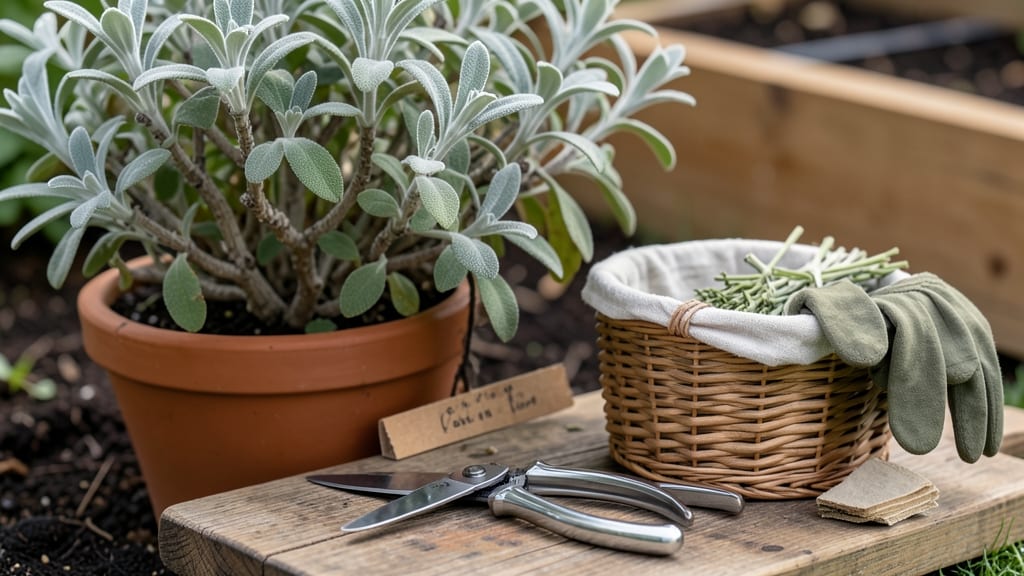
To harvest garden sage at its peak flavor, focus on timing and technique—cutting too early or too late can ruin both the taste and your plant’s health.
Picture this: you’ve nurtured your 🌿 sage all season, and now the leaves are woody, not tender. That’s a sign you missed the window. The best harvest happens in late summer when leaves are fully mature but still aromatic, not when they’ve hardened into sticks.
This guide breaks down the exact moments to trim for vibrant flavor, the right tools to use, and how to prune without stunting future growth.
Whether you’re drying bundles for winter or snipping fresh sprigs for cooking, these tricks keep your sage thriving—and your dishes bursting with that classic earthy taste.
From avoiding over-pruning to storing your harvest, we’ll cover every step so your sage stays productive for years. Ready to turn those tough stems into culinary gold?
When to harvest sage for maximum flavor & plant health
Timing your sage harvest correctly is the secret to bold flavors and a healthy perennial plant. Unlike annual herbs, sage thrives for years when pruned properly—so knowing when to cut stems makes all the difference.
The best harvest windows are early spring, late summer, and early fall, but there's more to it than just seasons.
First-year plants need gentle handling. Focus on removing only a few leaves from the top stems to encourage bushier growth. By year two, you can harvest up to one-third of the plant's growth per session.
The key is always cutting just above a leaf node where new growth will emerge. This pruning technique keeps your sage compact and flavorful.
Over-mature leaves lose their aromatic oils and become tough. Look for woody stems that are still flexible—if they snap easily, it's time to harvest. Leaves should be gray-green and velvety, with a strong scent when crushed. Ignoring these signs leads to bitter-tasting leaves that ruin dishes.
Here's your harvest timeline broken down by season with key indicators:
| Season | Best Harvest Time | Leaf Characteristics | Pruning Impact |
|---|---|---|---|
| Early Spring | March-April (after last frost) | New growth appears; soft stems | Encourages bushier growth |
| Late Summer | July-August (before flowering) | Large leaves; strong aroma | Maximizes leaf production |
| Early Fall | September-October (before frost) | Leaves turn slightly brown | Prevents winter dieback |
| Avoid | Winter months | Dormant; no harvest | Can damage new spring growth |
Regular pruning actually extends your sage's lifespan. When you remove one-third of growth in late summer, you're not just harvesting—you're encouraging new tender shoots to form.
This growth cycle keeps your plant productive for 10+ years with proper care. Just avoid cutting into old woody stems, as these won't regrow.
One common mistake is waiting until sage flowers. While the flowers are beautiful, they drain energy from the leaves, making them less flavorful. Always harvest just before flower buds appear for the best culinary quality.
For ornamental varieties, you can leave a few flowers but remove most buds to maintain leaf production.
Your harvest frequency depends on your goals. For culinary use, harvest every 4-6 weeks during growing season. For ornamental growth, reduce to 2-3 times per year to maintain shape. Always use clean, sharp pruners to avoid damaging stems and spreading disease.
Pro tip: Harvest morning leaves for maximum aroma compounds. The essential oils peak after a full night's rest. Store harvested sage in paper bags in the fridge for up to one week or dry immediately for long-term storage. This simple habit preserves 70% more flavor than evening harvests.
Watch for over-pruning signs like bare stems or yellowing leaves. These indicate you've removed too much foliage. Sage is drought-tolerant but needs 6+ hours of sun daily to recover. After heavy pruning, increase watering to every 5-7 days until new growth appears.
Remember, healthy sage plants reward you with years of harvests. The first year focuses on establishment, while years two through five offer your most abundant yields. With the right timing and care, your sage will become the flavor powerhouse of your garden.
Step-by-step sage pruning guide: tools, techniques & mistakes to avoid
Pruning sage correctly is the secret to keeping your plant productive and flavorful for years. Unlike many herbs, sage thrives when you encourage new growth by trimming at the right spots. The key is cutting just above a leaf node—where leaves meet the stem—to trigger fresh shoots.
If you prune too high or too low, you’ll end up with woody stems and sparse foliage.
I’ve made this mistake before: waiting until my sage looked like a broomstick before pruning. By then, the leaves were tough and flavorless. The best time to prune is in early spring or right after harvest in late summer. This keeps your plant bushy and packed with aromatic leaves.
Before you grab your shears, gather the right tools. A sharp pair of pruning shears or clean scissors is a must—dull blades tear stems, inviting disease. I also keep a small spray bottle with 70% alcohol handy to sterilize tools between cuts.
This prevents bacterial spread, especially if your sage is in a container garden or crowded with other herbs.
⚠️ Mistake Alert: Pruning Too Late in the Season
If you wait until fall or winter to prune sage, you risk stunting new growth before dormancy. Sage needs time to recover and develop fresh shoots before cold weather sets in. Always prune 3-4 weeks before the first frost to avoid shocking the plant.
Pro Tip: In USDA Zone 6a, aim to finish pruning by October 15th to give your sage enough time to harden off.
Start by removing any dead or diseased branches first. These are easy to spot—they’re brown, crispy, or covered in spots. Snip them at the base, then move to the main pruning.
Focus on the outer third of the plant, cutting back stems to just above a set of leaves. This encourages fuller growth from the center. Avoid cutting into the woody center—this won’t regrow and can kill the plant.
Here’s a trick I learned: Pinch back the tips of new growth in spring to promote bushier growth. Use your fingers to gently squeeze off the top set of leaves.
This method works best on young sage plants (under 2 years old) and keeps them compact. For mature plants, stick to shears for cleaner cuts.
After pruning, give your sage a light fertilizer (like a 5-10-10 blend) to support new growth. Water deeply but avoid overwatering—sage hates soggy roots. Mulch around the base with organic matter (like straw or wood chips) to retain moisture and suppress weeds.
With proper pruning, your sage will reward you with lush, flavorful leaves all season long.