
How To
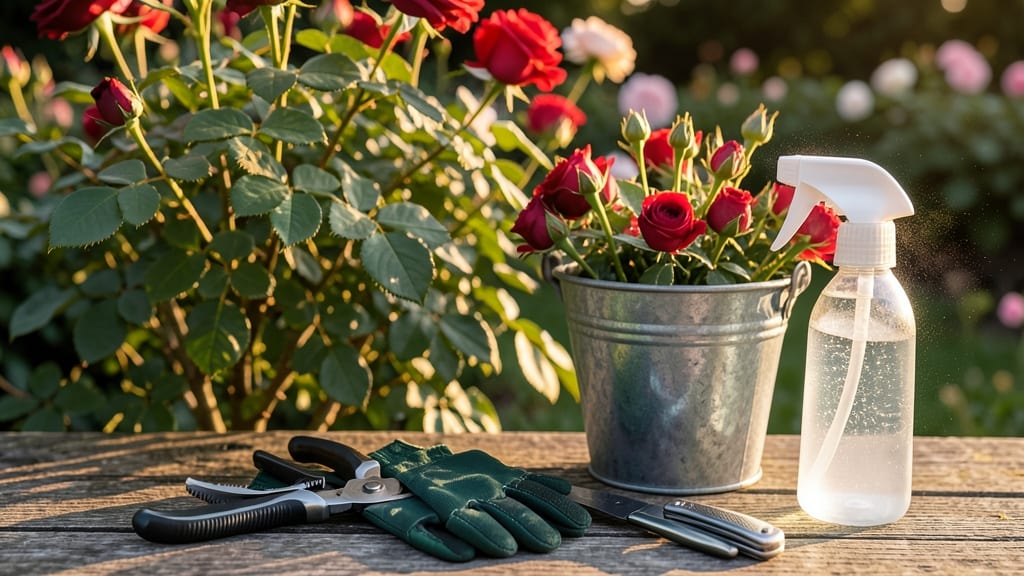
To harvest roses at their peak, cut stems when buds are half-open with petals just beginning to unfurl—this ensures the longest vase life and preserves your 🌹's fragrance.
Did you know harvesting roses at the right time can extend their blooming season by up to 40%? Mastering this simple technique ensures healthier stems, longer-lasting flowers, and disease-resistant plants—without sacrificing your rose bushes' beauty.
Timing matters more than you think: morning harvests yield fresher blooms, while evening cuts risk wilting. The right tools—sharp pruners or shears—make all the difference, and a 45-degree angle on the stem promotes better water uptake.
Below, I’ll walk you through the exact steps to harvest roses without damaging your plants, plus pro tips for storing cut blooms so they last a full week—or even longer.
When and how to harvest roses for maximum blooms
Harvesting roses at the perfect moment transforms your garden into a blooming powerhouse. The key lies in timing and technique—cut too early, and you’ll miss peak fragrance; wait too long, and the petals may drop.
I’ve learned that morning harvests (before 10 AM) yield the freshest, longest-lasting blooms because the stems are fully hydrated from overnight watering. For hybrid teas and floribundas, aim for buds that are 70-80% open—just as the petals begin to unfurl but haven’t fully bloomed.
Different rose varieties demand slightly different approaches. Climbing roses, for example, should be harvested when the bloom is fully open but still firm to prevent stem breakage. Meanwhile, spray roses (like floribundas) can be cut in clusters when half the buds are ready, encouraging more blooms to form.
Seasonal variations also play a role: in summer’s heat, harvest earlier in the day to avoid wilting, while fall blooms often last longer if harvested slightly later in the morning.
Here’s the golden rule I follow: always cut stems at a 45-degree angle, about ¼ inch above a leaf node. This angle increases water uptake, and the leaf node encourages new growth. Use sharp bypass pruners (not shears) to make clean cuts—dull tools crush stems, inviting disease.
For large blooms like hybrid teas, support the stem with your other hand to avoid snapping it at the base.
| Rose Type | Best Harvest Time | Cutting Angle | Stem Length | Tool Recommendation |
|---|---|---|---|---|
| Hybrid Teas | Morning, 70-80% open | 45° angle | 12-18 inches | Bypass pruners |
| Floribundas | Morning, clusters half-open | 45° angle | 8-12 inches | Hand pruners |
| Climbers | Late morning, fully open | 45° angle (support stem) | 18-24 inches | Long-handled shears |
| All Types | Avoid evening harvests | Never cut at node | N/A | Sterilize tools with rubbing alcohol |
After harvesting, immediate post-cut care is critical. Strip all but the top 3-4 leaves from each stem to prevent bacterial growth in the water.
Place stems in a bucket of cool water (50°F–55°F) for up to 24 hours before arranging—this hydrates the stems and extends vase life by 3-5 days. For long-term storage, wrap stems in damp paper towels and refrigerate; they’ll last up to a week this way.
One common mistake I see is harvesting roses with soft or mushy stems, which signals overripe blooms. These often drop petals within hours and attract pests. Another pitfall? Cutting too close to the node—this removes the growth point, stunting future blooms.
Instead, leave ¼ inch of stem above the leaf node to encourage new shoots. For repeat-blooming varieties, like Knock Out® roses, consistent harvesting actually triggers more flowers by redirecting the plant’s energy.
Seasonal adjustments are key. In spring, when roses first bloom, harvest selectively to avoid stressing new canes. By summer, when heat stresses plants, harvest earlier in the day and limit cuts to 10% of the plant’s blooms to prevent shock.
In fall, focus on harvesting late-season blooms for indoor arrangements, as the plant begins its dormancy cycle. Always sterilize your tools with rubbing alcohol between cuts to prevent spreading black spot or powdery mildew.
Pro tip: Label your roses before harvesting. I use small flags tied to stems to note varieties like 'Double Delight' or 'Mister Lincoln'. This helps track which roses produce the most abundant blooms and which may need additional fertilizer or pruning.
Over time, you’ll notice patterns—some varieties, like floribundas, reward heavy harvesting with nonstop blooms, while others, like grandifloras, prefer a lighter touch.
For container-grown roses, harvesting requires extra care. These plants have limited root space, so never remove more than 20% of the blooms
Pruning tricks to prevent disease and extend rose blooming seasons
Pruning isn't just about shaping your roses—it's a critical defense against fungal diseases like black spot and powdery mildew. When done correctly, pruning can extend blooming seasons by up to 6 weeks while keeping your plants vibrant and healthy. The key lies in timing, technique, and tool sanitation.
I always prune my roses in early spring (just as new growth begins) and again after major blooming cycles. This two-step approach removes weak canes and diseased foliage while encouraging robust new growth. Skipping these prunings invites fungal spores to thrive in crowded, damp conditions.
Here’s the golden rule: always use sterilized tools. A quick wipe with 70% rubbing alcohol between cuts prevents spreading black spot and other pathogens. I keep a small bottle in my gardening toolbox—it’s a habit that saves my roses every season.
Now, let’s compare the right vs. wrong way to prune. The difference between a healthy bush and one struggling with disease often comes down to these simple cuts.
DO: Correct Pruning
DON'T: Incorrect Pruning
Deadheading—removing spent blooms—is another game-changer for extending your roses' blooming season. I pinch off wilted flowers just above a set of healthy leaves to redirect the plant’s energy into new buds. This simple act can prompt 30% more blooms in hybrid teas and floribundas.
Thinning out overcrowded canes improves airflow, which is your first line of defense against powdery mildew. Aim to space canes about 6-12 inches apart and remove any that rub against each other. I always prune on dry, sunny days to let wounds heal quickly and reduce infection risks.
Finally, never skip the post-pruning cleanup. Rake up and dispose of pruned debris immediately—composting it can spread diseases back to your garden. I use a heavy-duty trash bag for removal and soak my tools in a 10% bleach solution for 10 minutes between plants.
These small steps make a huge difference in keeping my roses thriving year after year. 🌹