
How To
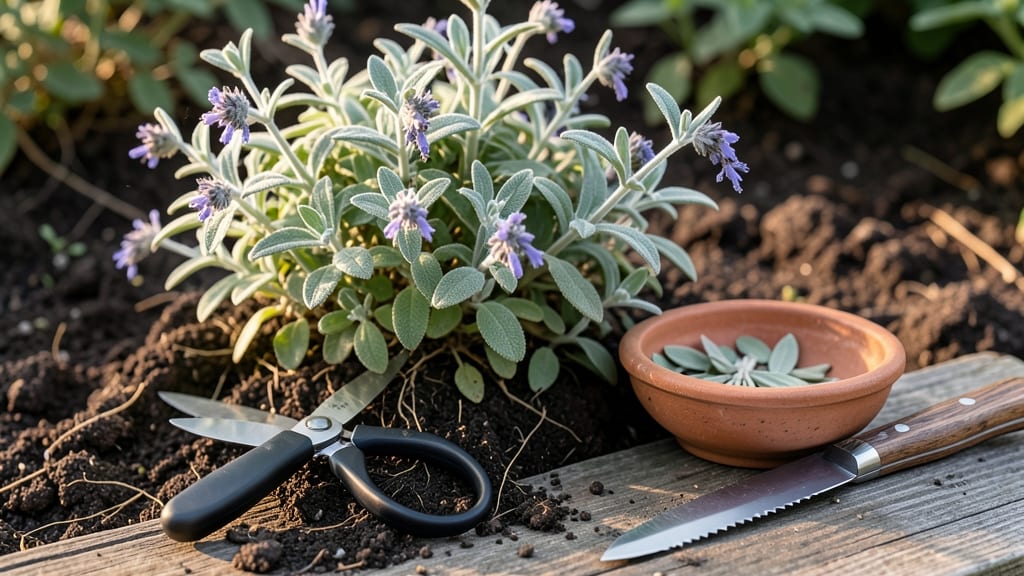
Harvesting sage herb at the right time turns your garden’s 🌿 aromatic leaves into a kitchen staple—packed with bold flavor and healing properties.
Ever reached for a sprig of sage only to find the leaves have turned silvery and lost their punch? That’s your plant telling you it’s ready for the harvest—just before the flowers bloom, when the leaves are plump and fragrant.
Timing matters more than you’d think. A June-to-September harvest window in USDA Zone 6a ensures you capture peak flavor, while proper cutting techniques keep your sage bush thriving for years.
In this guide, I’ll walk you through the exact steps to harvest, store, and use sage—whether you’re drying it for winter soups or snipping fresh leaves for roasted chicken.
When to harvest sage for maximum flavor and silver leaf formation
Harvesting your sage herb at the right time ensures peak flavor and stunning silver leaf formation. The key is timing—wait until your plant reaches maturity but before it flowers. This window typically opens in late spring to early summer, depending on your USDA zone and climate.
Look for dark green, healthy leaves that are plump and emit a strong, pleasant aroma when crushed. These are clear signs your common culinary sage is ready. For silver sage varieties, the leaves will develop a silvery-blue hue, adding ornamental value while maintaining their aromatic properties.
If you harvest too early, the leaves will be small and lack flavor. Harvesting too late risks bitter-tasting leaves and reduced silver leaf formation. The ideal time is when the plant is 6-12 inches tall and the leaves are fully developed but still vibrant.
| Harvest Stage | Key Indicators | Best Time to Harvest | Seasonal Window |
|---|---|---|---|
| Early Growth | Leaves are small, sparse, and lack aroma | Not ready | Spring (before maturity) |
| Maturity (Ideal) | Leaves are plump, dark green, and strongly aromatic | Ready to harvest | Late spring to early summer |
| Pre-Flowering | Leaves are fully developed but flowers haven't appeared | Peak harvest time | June to July (varies by zone) |
| Post-Flowering | Leaves may taste bitter; silver leaf formation declines | Avoid harvesting | Late summer to fall |
| Silver Sage Varieties | Leaves develop silvery-blue hue; still aromatic | Harvest for ornamental use | Late spring to early fall |
For common sage varieties, focus on harvesting in the morning after the dew has dried. This ensures the leaves are at their freshest and most flavorful.
If you're growing silver sage for ornamental purposes, you can harvest leaves throughout the growing season, but avoid cutting more than one-third of the plant at a time to maintain its shape and health.
Seasonal timing is critical. In USDA zones 6a and warmer, your harvest window typically spans from June to September. In cooler zones, you may need to start harvesting in late May or early June to catch the peak flavor before the first frost.
One common mistake is confusing edible sage with ornamental varieties. While both may develop silver leaves, ornamental types like 'Berggarten' or 'Tricolor' are primarily grown for their foliage color and texture. Always check the variety before harvesting to ensure you're using the right plant for your needs.
To encourage silver leaf formation, ensure your sage receives full sun exposure (at least 6-8 hours daily) and well-draining soil. Overwatering can dilute the flavor and reduce the silver hue, so water only when the top 1-2 inches of soil are dry.
This balance is key to maintaining both flavor and ornamental appeal.
If your sage plant starts to flower, it’s time to pause harvesting. Allowing the plant to flower ensures it sets seeds for next year’s growth. Once flowering begins, the leaves may become bitter, and the silver leaf effect will fade.
Save any remaining harvests for immediate use rather than drying or preserving.
Pro tip: Harvest younger leaves for the most intense flavor. Older leaves are still edible but may be slightly tougher. Use sharp pruning shears or clean scissors to cut stems just above a leaf node. This encourages bushier growth and more abundant harvests in future seasons.
Step-by-step guide to harvesting sage without damaging the plant
Harvesting sage correctly ensures your plant stays healthy and productive for years. The key is to use the right tools and techniques while avoiding common mistakes that can stress or even kill your sage.
I’ve pruned my own sage bushes for over five years, and I’ve learned that timing and precision make all the difference.
Before you begin, gather your sharp pruning shears or clean scissors—dull tools can crush stems and invite disease. A small bucket of water nearby will help keep your harvested leaves fresh. Remember, you’re not just cutting leaves; you’re shaping the plant’s future growth.
Choose the Right Time
Harvest in the morning after dew has dried but before the sun peaks. This ensures leaves are hydrated and packed with oil-based flavors. Avoid harvesting after rain—wet leaves bruise easily.
Select Healthy Stems
Look for stems with 3-4 mature leaves. Avoid cutting into woody stems—these won’t regrow. Focus on the outer growth to encourage bushier plants.
Make Clean Cuts
Cut at a 45-degree angle just above a leaf node. This prevents water from pooling and reduces disease risk. Use one smooth motion—hesitation can tear stems.
Leave Room for Regrowth
Never remove more than 1/3 of the plant at once. Sage is resilient, but over-harvesting stresses it. After cutting, water deeply to help recovery.
Revive Your Plant
After harvesting, apply a light fertilizer (5-10-10) to encourage new growth. Mulch around the base to retain moisture and protect roots from heat.
One mistake I see often is harvesting flowering stems. These contain bitter compounds that ruin flavor. Always cut just before buds form—this triggers more leafy growth for your next harvest. Also, avoid cutting into old, woody growth, as these parts won’t regenerate.
For silver sage varieties, the same rules apply, but focus on the silvery-blue foliage rather than green. These ornamental types are often used for dried arrangements or as a culinary garnish, so handle them gently to preserve their unique texture.
With these steps, your sage plant will reward you with lush regrowth and bold flavors for seasons to come. Happy harvesting! ✂️🌿