
How To
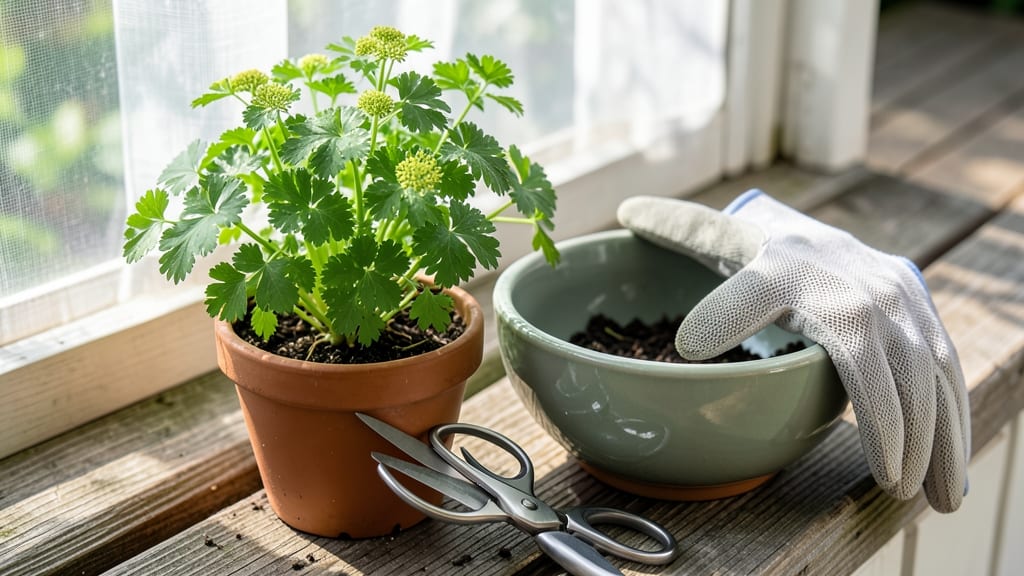
Harvesting fresh parsley the right way means you’ll always have vibrant, flavor-packed stems for your cooking—no more wilted stems from the grocery store.
Fresh parsley isn’t just a garnish—it’s a flavor powerhouse, and knowing how to harvest it properly ensures your kitchen always has aromatic stems ready to elevate any dish. Whether you’re snipping for soups or snapping for salads, the method matters.
Timing is everything: harvest when leaves reach 4-6 inches tall and stems are firm but not woody. Cut just above a leaf node to encourage regrowth, and avoid stripping the plant bare—this keeps your parsley 🌿 thriving all season.
In this guide, I’ll walk you through the snip-and-snap method, when to harvest for maximum yield, and how to store your bounty so it stays fresh longer. Let’s get started!
When and how to harvest parsley for maximum flavor and growth
Harvesting parsley at the right time transforms your herb garden from a simple green decoration into a flavor factory. The key lies in understanding when your plants are ready and how to cut them without stunting growth.
Young leaves pack the most aromatic intensity, while mature stems provide the sturdy structure for regrowth. I’ve learned that timing and technique directly impact both yield and flavor—so let’s dive into the specifics.
Your parsley plant typically reaches harvestable size between 75 to 90 days after sowing, but don’t wait until it’s fully mature. The ideal moment arrives when leaves reach 4 to 6 inches tall and stems feel firm but not woody.
At this stage, the leaves are vibrant green with a distinct parsley aroma that’s noticeably stronger than when younger. Waiting too long risks tough, bitter leaves that lose their culinary appeal.
Seasonal timing also matters significantly. For spring-planted parsley, begin harvesting in late May and continue through October, while fall-planted varieties yield best from October to November. In warmer climates, you can extend harvests into early winter with proper protection.
I’ve found that harvesting in the morning after dew dries preserves flavor and moisture better than cutting later in the day.
Now, let’s talk technique—because how you harvest makes all the difference. The two main methods are top trimming (cutting the entire stem) and side trimming (selective leaf removal). Each has advantages depending on your goals.
For continuous harvests, top trimming encourages bushier growth, while side trimming preserves the plant’s shape and allows for more frequent small harvests.
| Harvest Method | Best For | Cutting Technique | Regrowth Impact |
|---|---|---|---|
| Top Trimming | Bushier growth, larger harvests | Cut 1/3 of stem at base with clean scissors | Encourages multiple side shoots |
| Side Trimming | Frequent small harvests, plant aesthetics | Snip outer leaves leaving inner growth intact | Maintains compact shape, slower regrowth |
| Individual Leaf Removal | Minimal impact, continuous use | Pinch or cut 1-2 leaves per stem | Slower regrowth, less bushy over time |
When using top trimming, always cut stems at a 45-degree angle about 1 inch above a leaf node. This angle helps water flow better into the stem and prevents rot. I’ve noticed that plants trimmed this way recover faster and produce more side shoots.
For side trimming, focus on removing outer leaves first—never take more than 1/3 of the plant’s foliage at once. This preserves the plant’s energy for regrowth.
One common mistake I see is harvesting too aggressively, which stresses the plant. Parsley is a biennial herb, meaning it can survive two years if cared for properly. In its first year, prioritize balanced harvesting—never take more than 1/3 of the plant’s leaves at a time.
In the second year, you’ll get even more robust growth, but avoid heavy harvests in late summer as the plant prepares for flowering.
Seasonal adjustments are crucial for maintaining plant health. During hot summer months, reduce harvesting frequency to prevent stress.
Focus on watering deeply and providing afternoon shade if temperatures exceed 90°F. In contrast, fall harvests can continue until the first frost, with leaves often becoming sweeter after a light frost—similar to how other herbs like cilantro benefit from cold exposure.
To maximize flavor, harvest parsley just before it flowers. The moment buds appear, the leaves start converting energy into flower production, which dilutes their flavor. If you notice flower stems emerging, prune them immediately to redirect the plant’s energy back into leaf growth.
I’ve found that regular harvesting actually encourages more flavorful leaves by stimulating new growth cycles.
After harvesting, store parsley properly to maintain freshness. For short-term use, wrap stems in a damp paper towel and place in a plastic bag in the refrigerator. This method keeps parsley crisp for up to 10 days.
For longer storage, consider freezing chopped parsley in ice cube trays with water or olive oil—perfect for soups and sauces later in the season.
Remember, parsley is a self-seeding perennial in many climates, so proper harvesting techniques now ensure you’ll have fresh parsley for years to come. With the right timing and care, your parsley plants will reward you with abundant, flavorful harvests that make every dish taste better.
Step-by-step guide: the snip-and-snap method for perfect parsley stems
The snip-and-snap method is my go-to for harvesting parsley because it keeps the plant healthy while giving you the freshest stems. Unlike aggressive cutting, this technique focuses on precision—removing only what you need without stressing the roots.
Whether you’re harvesting for soups or garnishes, this method ensures your parsley keeps growing lush and flavorful all season.
Before you begin, gather your tools: a pair of sharp pruning shears or clean scissors, and a small bowl for your harvest. Avoid dull blades—they crush stems and invite disease.
Work in the morning after dew dries for the freshest leaves, and always harvest when leaves reach 4-6 inches tall for peak flavor. This timing prevents woody stems and maximizes regrowth.
Choose Your Stems
Select the outer leaves and stems first—they’re the most mature and ready for harvest. Avoid cutting into the center of the plant, as this can stunt growth. Focus on stems that are bright green and firm to the touch.
Position Your Tools
Hold your pruning shears or scissors at a 45-degree angle just above a leaf node. This angle helps water run off the cut, reducing rot risk. Never cut too close to the base—leave at least 1-2 inches of growth to keep the plant thriving.
Snip or Snap
For thicker stems, use your shears to make a clean cut. For thin stems or individual leaves, snap them gently at the base—this is the "snap" part of the method! Avoid tearing leaves, as this damages the plant and invites pests.
Avoid Over-Harvesting
Never remove more than 1/3 of the plant’s foliage at once. Over-harvesting shocks parsley and can lead to yellowing leaves or stunted growth. Space harvests 2-3 weeks apart to let the plant recover and regrow.
Post-Harvest Care
After harvesting, give your parsley a light watering to replenish moisture lost during cutting. If the soil feels dry, water deeply but avoid soggy conditions. A balanced fertilizer (like 5-10-10) every 4-6 weeks keeps your plant vigorous and productive.
One of the biggest mistakes I see is harvesting parsley too aggressively, especially in its first 60-75 days of growth. Young plants need time to establish roots before heavy cutting.
Instead, prioritize selective harvesting—focus on the outer leaves and stems while leaving the center intact. This encourages bushier growth and a higher yield over time.
To maximize your harvest, consider seasonal timing. In spring and fall, parsley grows vigorously, making it ideal for frequent snipping. During summer heat, reduce harvesting to avoid stressing the plant.
Store your freshly harvested parsley in a perforated plastic bag in the fridge for up to 10 days, or freeze stems in ice cubes for later use.
With the snip-and-snap method, you’ll enjoy a continuous supply of fresh parsley all season long. The key is patience and precision—treat your plant gently, and it will reward you with flavorful, abundant stems for months to come. Happy harvesting! 🌿✂️