
How To
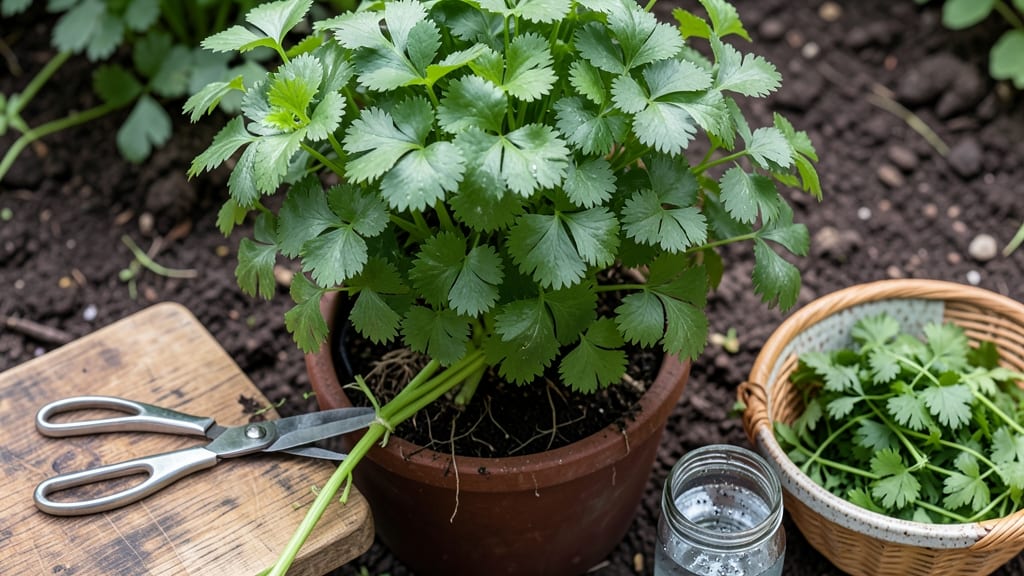
To harvest cilantro at its peak flavor, you’ll want to snip stems when they’re 4-6 inches tall and leaves are bright green 🌿—any later, and the plant bolts into bitter seeds.
Picture this: you’ve nurtured your cilantro for weeks, only to watch it suddenly go to seed, turning your once-tender herb into a tough, flavorless mess. That’s bolting, and it happens faster than you think if you miss the harvest window.
Timing is everything—harvesting young leaves ensures that signature citrusy taste stays vibrant, while proper techniques (like cutting just above a leaf node) encourage regrowth. Below, I’ll walk you through the best methods to maximize your yield without sacrificing flavor.
You’ll also discover how to store your harvest, delay bolting, and even troubleshoot common mistakes—so you can enjoy fresh cilantro all season long.
When to harvest cilantro for maximum flavor (timing matters most)
Cilantro’s peak flavor arrives when its leaves are young and tender, typically between 30-50 days after planting. This window ensures the bright, citrusy notes remain vibrant—wait too long, and the plant bolts, turning bitter and woody. Understanding the ideal harvest timing is key to avoiding this common gardener’s mistake.
Harvesting too early means small, sparse leaves, while waiting too late triggers the plant’s natural defense mechanism: bolting. When cilantro bolts, it sends up a tall flower stalk and produces seeds, completely altering its taste.
The goal is to harvest before flowering begins, which usually happens around 60 days in most climates.
| Stage | Height | Leaf Condition | Harvest Action |
|---|---|---|---|
| Early Growth | 2-4 inches | Small, sparse | Avoid harvesting |
| Ideal Harvest | 4-6 inches | Large, vibrant, tender | Cut stems or pick leaves |
| Late Stage | 6+ inches | Woody stems, flower buds | Harvest remaining leaves |
To check if your cilantro is ready for harvest, look for bright green leaves that are fully developed but still tender. The plant should be 4-6 inches tall with no visible flower buds.
If you spot a tall stem or yellow flowers, it’s too late—the flavor has already shifted to bitter.
Seasonal variations play a huge role in cilantro’s growth. In cooler climates like USDA Zone 6a, cilantro thrives in spring and fall, making these the best times for planting and harvesting.
However, in hotter summers, cilantro often bolts prematurely, so I recommend growing it in partial shade or using shade cloth to delay flowering.
Climate also affects harvest timing. In northern regions, cilantro may take longer to mature due to shorter daylight hours, while southern gardens often experience faster growth but earlier bolting. Pay attention to your local frost dates—cilantro prefers temperatures between 50-75°F and struggles in extreme heat or cold.
One pro tip I swear by is harvesting in the morning when leaves are most hydrated and flavorful. Use clean, sharp scissors or pruning shears to cut stems about 1 inch above the base. This encourages new growth and prevents the plant from becoming leggy or woody.
If you’re growing cilantro in containers, harvest even more frequently since space is limited. Container-grown cilantro often bolts faster due to root competition, so I recommend harvesting outer leaves first to give inner growth room to thrive. This method also extends the plant’s productive life by 2-3 weeks.
Don’t make the mistake of cutting too close to the base—always leave at least 1 inch of stem to protect the plant’s growth point. Over-harvesting can stress cilantro, leading to slower regrowth or even death.
Balance is key: aim to harvest one-third of the plant at a time to maintain its health and flavor.
Remember, cilantro’s flavor declines as it matures, so act quickly once you see those lush, vibrant leaves. With the right timing and care, you’ll enjoy a steady supply of fresh, flavor-packed cilantro all season long—no bitter surprises included! 🌿✂️💚
Step-by-step cilantro harvesting techniques (cut, snip, OR pick)
Harvesting cilantro correctly ensures you get the brightest flavor while encouraging your plant to regrow. The key is timing—wait until stems reach 4-6 inches tall and leaves are fully developed but still tender.
Cutting at the right angle and using the proper tools makes all the difference in preserving your plant’s health and productivity.
If you’ve ever harvested cilantro only to watch it bolt into seed the next week, you know how frustrating it can be. The secret lies in cutting just above a leaf node (where leaves meet the stem) to stimulate new growth.
This simple technique prevents damage to the plant’s core while maximizing your yield. Let’s dive into the exact methods for harvesting whole stems versus individual leaves.
Choose Your Method
Whole stems: Cut entire stems at the base for larger harvests. Ideal for cooking or garnishes.
Individual leaves: Snip outer leaves to encourage continuous regrowth. Best for gradual use.
Use the Right Tools
Sharp clean scissors or pruning shears prevent crushing stems. Avoid fingers to keep leaves intact.
For precision, a small knife works well for individual leaves.
Cut at the Correct Angle
Angle cuts just above a leaf node (where leaves grow from the stem). This promotes new shoots.
Never cut too close to the base—leave 1-2 inches of stem to avoid damaging the plant.
Harvest Regularly
Pick leaves every 2-3 weeks to prevent bolting. Frequent harvesting keeps cilantro lush and flavorful.
Avoid harvesting more than 1/3 of the plant at once to maintain its vigor.
Encourage Regrowth
After harvesting, water deeply and place the plant in partial shade for a few days to reduce stress.
Fertilize lightly with a balanced 10-10-10 mix to support new growth.
One common mistake is harvesting cilantro when it’s already bolting—those flower stems mean the flavor has turned bitter and woody. Always check for tender stems and vibrant leaves before cutting.
If you notice flower buds forming, it’s too late for a flavorful harvest, but you can still save the seeds for next season!
For container-grown cilantro, harvest leaves from the outer edges first to protect the center. This method works especially well if you’re growing cilantro in pots on a balcony or windowsill. Just remember: the more you harvest, the more your plant will reward you with fresh, flavorful leaves all season long.
Pro tip: If your cilantro starts to bolt prematurely, try shading it or moving it to a cooler spot. Heat and long daylight hours trigger bolting, so timing your plantings for spring or fall can help you avoid this issue entirely.