
How To
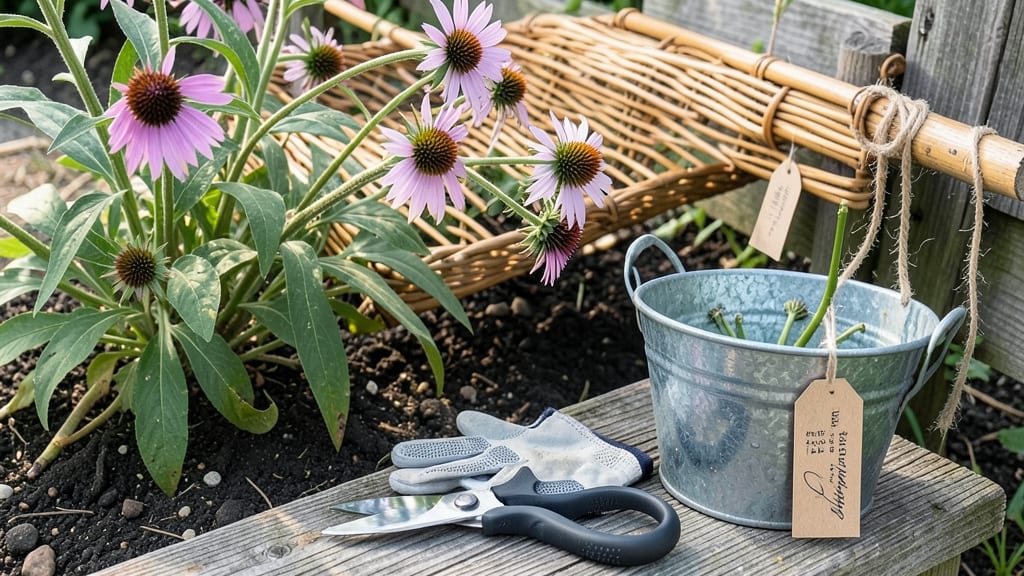
To harvest echinacea at its peak potency, you’ll want to time your cuts just right—when the purple blooms are fully open but before they wilt.
That 5-minute window between perfect bloom and fading freshness is where the magic happens. Miss it, and you’re left with weak tea or dried petals that lose their medicinal punch. But get it right, and you unlock a treasure trove for teas, tinctures, or even fresh garnishes.
Echinacea 🌼 thrives in USDA Zone 6a, but the right harvest timing isn’t just about the calendar—it’s about the plant’s signals. Learn how to spot the ideal moment, whether you’re drying flowers for winter remedies or plucking them fresh for summer salads.
In this guide, I’ll walk you through the exact steps: when to cut, how to dry, and how to store your harvest so it keeps its power for months. No more wasted blooms—just maximum yield and potency.
When to harvest echinacea for maximum potency: timing & weather tips
Harvesting echinacea at the right time ensures maximum medicinal potency and vibrant blooms for your garden. The peak harvest window depends on whether you're collecting flowers, roots, or seeds, each with its own ideal timing.
For most gardeners, mid-to-late summer (July-September) is the golden period when echinacea reaches its full potential.
Timing isn't just about the calendar—weather conditions play a crucial role. Harvest on dry, sunny mornings after dew has evaporated to prevent mold. Avoid harvesting after rain or late in the day, as moisture can degrade the plant's beneficial compounds.
If you're in a cooler climate (USDA Zones 3-5), adjust your harvest window by 1-2 weeks later than warmer regions.
Here’s the critical question: Are you harvesting for fresh use or drying? Fresh petals should be picked when fully open but before wilting, while dried flowers need to be harvested at peak bloom for maximum potency retention.
Roots, on the other hand, are best dug in early fall or spring when the plant is dormant.
Pro Tip: Look for vibrant purple petals that are fully spread open—this is your cue that the alkaloid and polyphenol content (the active compounds) is at its highest. The central cone should also be fully formed but not yet brown or brittle.
| Harvest Type | Best Time | Key Visual Cues | Weather Conditions |
|---|---|---|---|
| Flowers (Fresh) | Mid-to-late summer (July-August) | Fully open petals, vibrant color, firm stems | Dry, sunny mornings, no dew |
| Flowers (Dried) | Peak bloom (July-September) | Petals fully spread, central cone fully formed | Clear skies, 60-75°F temperatures |
| Seeds | Late summer to early fall (August-September) | Brown, dry seed heads, petals fallen | Dry, windless days for easy collection |
| Roots | Early fall or spring (September or March) | Plant is dormant, foliage has yellowed | Cool, dry soil (50-60°F) |
If you're in a warmer climate (Zones 8-10), echinacea may bloom earlier—sometimes as early as June. Pay attention to your local last frost date and adjust accordingly.
For example, in Zone 9, you might start harvesting flowers as early as late June, while in Zone 4, wait until August for optimal results.
For roots, the best time to harvest is when the plant is dormant, either in early fall (after the first frost) or early spring before new growth begins.
Use a sharp spade to dig carefully, leaving at least one-third of the root in the ground to ensure the plant regenerates. Never harvest roots from young plants—wait until the echinacea is at least 2 years old.
Seeds are another story. They’re ready when the central cone turns brown and the petals have fallen away naturally. Collect seeds on dry days to prevent mold.
Store them in a paper bag or envelope in a cool, dark place until you're ready to plant them. Viability drops after 1 year, so use them promptly for the best germination rates.
One common mistake is harvesting overripe flowers, which have lost their potency. Always check for wilting petals or brown centers—these are signs the flower is past its prime.
Similarly, roots harvested too early won’t have developed enough beneficial compounds. Patience is key to maximizing your echinacea’s therapeutic benefits.
Finally, consider your regional climate. In humid areas, harvest earlier to avoid fungal issues, while dry climates may allow for later harvests. Always prioritize dry conditions—whether for flowers, roots, or seeds—to preserve quality and prevent spoilage.
With these tips, you’ll harvest echinacea at its peak potency, ensuring your remedies, teas, or culinary creations are as powerful as they are beautiful. Happy harvesting! 🌼✂️🌿
Step-by-step echinacea harvesting methods: fresh vs. dried flowers
Harvesting echinacea at the right moment ensures you capture its maximum medicinal properties. For fresh use—like salads or garnishes—you’ll want to pick blooms when they’re fully open but still vibrant. If you’re drying for teas or tinctures, timing is even more critical to preserve potency.
The difference between a weak infusion and a powerful remedy often comes down to these precise steps.
Before you begin, gather your tools: a pair of clean, sharp pruners, a basket or bucket for collection, and a paper bag or breathable container for drying.
Avoid plastic bags—condensation ruins your harvest. I always work on a dry, sunny morning when the dew has evaporated, as this reduces moisture and prevents mold during drying.
How to Harvest Echinacea
- 1 Identify the perfect bloom: Look for flowers with fully open petals that are deep purple and upright. Avoid blooms with drooping stems or brown edges—they’ve peaked.
- 2 Cut stems at a 45-degree angle: Use sterilized pruners to snip stems about 6 inches below the flower head. This encourages new growth and prevents disease.
- 3 Remove leaves from the stem: Strip off any foliage to prevent mold growth during drying. Leave the flower head intact—this is where the active compounds reside.
- 4 Bundle stems for drying: Gather 5-10 stems and tie them together with twine or rubber bands. Hang bundles upside down in a dark, well-ventilated space like a closet or shed.
- 5 Dry for 1-2 weeks: Flowers are ready when the petals crumble easily and the stem snaps. Store in airtight glass jars away from light to preserve potency for up to 1 year.
For fresh echinacea, harvest only what you’ll use immediately. Store blooms in the fridge for up to 3 days, wrapped in a damp paper towel to maintain moisture. If you’re making echinacea-infused honey or fresh garnishes, skip drying entirely—just rinse petals gently with cool water to remove dirt.
Avoid these common mistakes: harvesting overcast days (high humidity slows drying), cutting stems too short (reduces future blooms), or storing dried flowers in plastic containers (traps moisture). I once lost an entire batch to mold because I rushed drying—now I always wait until petals are bone-dry before storing.
Pro tip: If you’re growing echinacea for seeds, wait until the cone center turns brown and the petals fall off naturally. Collect seeds by rubbing the cone over a paper bag—they’re ready for next year’s garden!