
How To
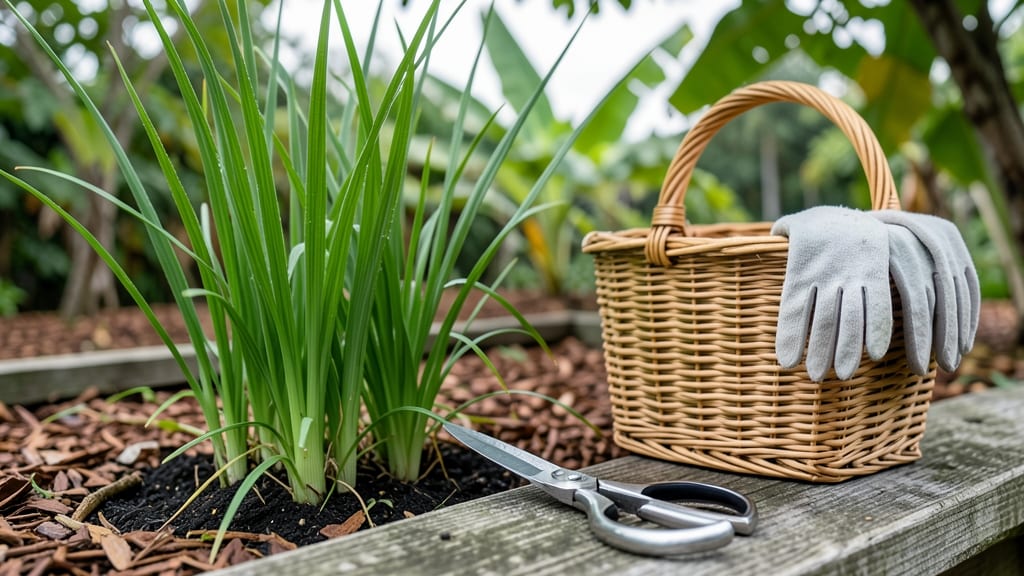
To harvest lemon grass, wait until the stalks reach 12-18 inches and have a strong citrus aroma 🌿 — that’s when they’re prime for cutting.
Struggling to keep your lemon grass thriving long enough to harvest? The cut-and-come-again method unlocks a continuous supply of fresh stems without replanting, while maximizing your plant’s potential.
Most gardeners make the mistake of harvesting too early or too late, which weakens the plant. By following the right timing and techniques, you’ll ensure your lemon grass keeps growing back stronger and more flavorful.
In this guide, I’ll walk you through the exact steps to harvest, store, and revive your lemon grass so you can enjoy a year-round supply of this aromatic staple.
When and how to harvest lemon grass for maximum regrowth
Harvesting lemon grass at the right time ensures a steady supply while keeping your plant healthy. The key is timing—wait until stalks reach 12-18 inches tall and display a vibrant green color with a strong citrus scent.
This usually happens 6-12 months after planting, depending on your climate and growing conditions.
I’ve found that harvesting in spring and summer gives the best flavor and regrowth. In frost-free zones, you can harvest year-round, but avoid cutting during extreme heat or cold when the plant is stressed.
The cut-and-come-again method is perfect for lemon grass—it encourages new growth while providing fresh stems for cooking or crafts.
| Harvest Stage | Plant Age | Stalk Height | Best Time to Cut | Regrowth Time |
|---|---|---|---|---|
| First Harvest | 6-12 months | 12-18 inches | Spring/Summer | 4-6 weeks |
| Subsequent Harvests | Year-round (frost-free) | 10-18 inches | After new growth (3-4 inches) | 3-5 weeks |
| Overwintering | Mature plants | 18+ inches | Late fall (reduce cutting) | Dormant until spring |
To harvest, use a sharp pair of pruning shears or a clean kitchen knife to make a clean cut about 2 inches above the base. Avoid cutting too close to the ground, as this can damage the plant’s regrowth point.
Always cut the outer stalks first to encourage new growth from the center.
I recommend harvesting on a dry, sunny morning when the plant’s oils are most concentrated. This ensures the best flavor and reduces the risk of fungal growth.
After cutting, rinse the stalks and store them in a sealed container in the fridge for up to 2 weeks, or freeze them for longer storage.
One of my biggest mistakes was harvesting too aggressively, which left my lemon grass looking bare and stressed. Now, I follow the 30% rule: never remove more than 30% of the stalks at once.
This keeps the plant’s energy balanced for regrowth. If you notice yellowing leaves or weak stalks after harvesting, it’s a sign you’ve over-cut—give the plant time to recover.
For container-grown lemon grass, harvesting is slightly different. Since pots have limited space, I cut back to 4-6 inches tall after each harvest to encourage bushier growth. This works especially well if you’re growing it indoors near a south-facing window with 6+ hours of sunlight daily.
After harvesting, always water deeply to help the plant recover. I add a balanced fertilizer (like 10-10-10) every 4-6 weeks during the growing season to support regrowth. Mulching around the base with organic matter also helps retain moisture and nutrients, which speeds up recovery.
If your lemon grass isn’t regrowing after harvesting, check for pests like aphids or root rot from overwatering. I’ve found that neem oil spray works wonders for pests, and adjusting watering habits can prevent root issues.
With the right care, your lemon grass can provide year-round harvests for years to come.
Remember, the goal is sustainable harvesting. By following these tips, you’ll enjoy a continuous supply of fresh lemon grass while keeping your plant thriving. Happy harvesting! 🌿✂️🌱
Step-by-step cut-and-come-again method for continuous harvests
The cut-and-come-again method is my secret to harvesting lemon grass year-round without replanting. By mastering this technique, you’ll keep your plant healthy, encourage vigorous regrowth, and enjoy a steady supply of fresh stems for cooking or crafts.
The key lies in precise cutting angles, proper post-harvest care, and understanding your plant’s stress signals.
After harvesting, your lemon grass needs immediate attention to bounce back. I’ve found that combining the right trimming techniques with a tailored watering schedule and fertilizer boost can revive even stressed plants. Let’s break down the exact steps I follow to maintain my lemon grass plants for continuous harvests.
How to Harvest Lemon Grass Using the Cut-and-Come-Again Method
- 1 Select the right stalks: Choose outer stalks that are 12-18 inches tall with deep green leaves. Avoid cutting the innermost stalks to protect the plant’s core.
- 2 Use sharp pruners: Make clean cuts 2-3 inches above ground level at a 45-degree angle. Dull tools crush stems and invite disease.
- 3 Water immediately: Give your plant 1 inch of water right after cutting. This prevents transplant shock and kickstarts regrowth.
- 4 Fertilize lightly: Apply ½ tbsp of 10-10-10 fertilizer around the base. Avoid over-fertilizing, which can burn roots.
- 5 Monitor regrowth: New shoots should appear in 4-6 weeks. If growth stalls, check for yellowing leaves (overwatering) or brown tips (underwatering).
- 6 Repeat every 6-8 weeks: Once your plant establishes a rhythm, you can harvest 2-3 times per year without stressing it.
After harvesting, I always check for signs of stress like wilted leaves or stunted growth. If your plant looks tired, reduce watering slightly and move it to a shadier spot for 1-2 weeks. Lemon grass is tough—it’ll recover if you give it the right conditions.
For year-round harvests, I adjust my care based on the season. In summer heat, I water every 3-4 days and mulch to retain moisture. In winter, I cut back on fertilizing and protect pots from frost. This balance keeps my plants thriving through all four seasons.
Pro tip: Store harvested stalks in a glass of water in the fridge for up to 2 weeks. This mimics the plant’s natural environment and keeps them fresh for your next recipe or craft project. With this method, you’ll never run out of lemon grass again!