
How To
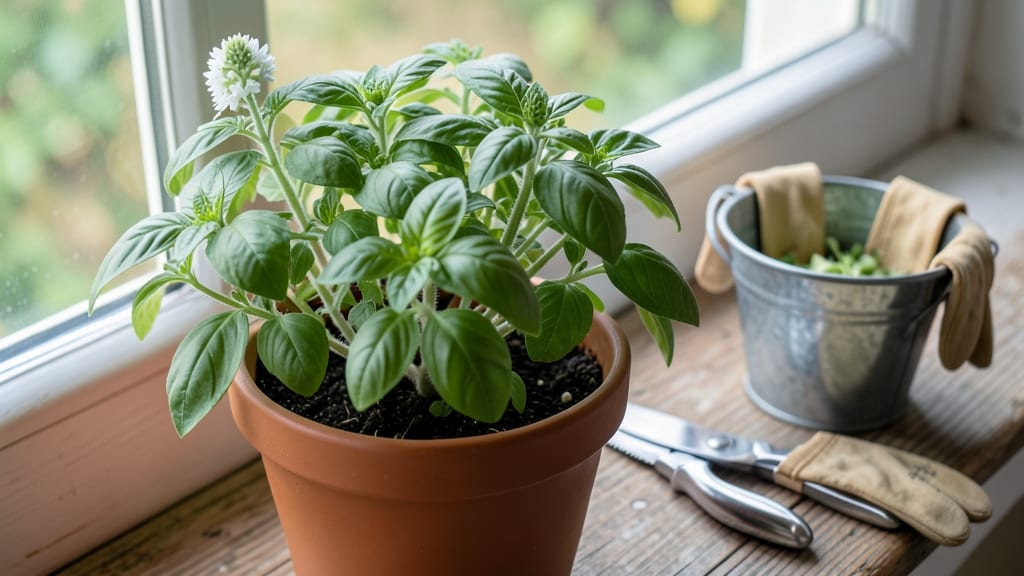
Harvesting basil by pinching the stems just right keeps it growing lush and productive all season long 🌿 — the key is timing and technique.
Struggling to keep your basil thriving after harvesting? The secret to endless leaves lies in mastering the pinch-and-regrow technique—without sacrificing plant health or flavor.
Most gardeners make one critical mistake: they cut too much or take leaves from the wrong spots, which stunts growth instead of encouraging it. I’ve seen basil plants go from bushy and vibrant to leggy and sparse in just weeks because of this.
In this guide, you’ll discover the exact when and how to harvest basil so it keeps growing—plus the simple aftercare steps to turn your plant into a leaf-producing powerhouse.
The correct way to pinch basil for continuous growth
Harvesting basil the right way feels like unlocking a secret garden treasure—your plant keeps producing lush, flavorful leaves instead of just one big harvest before fading away. The key lies in pinching (not cutting!) the right stems at the perfect time to trigger bushier regrowth.
I’ve learned through years of trial-and-error that timing and technique make all the difference between a thriving basil bush and a sad, leggy plant.
Most gardeners make the mistake of snipping leaves randomly or waiting too long before harvesting. This leads to woody stems and fewer leaves. Instead, we’ll focus on selective pinching of the main stems to encourage multiple side shoots.
This method works for both container-grown basil and plants in garden beds, as long as you follow the same principles. Let’s dive into the exact steps to keep your basil flourishing all season long.
How to Pinch Basil for Nonstop Growth
- Step 1: Wait for the right height Pinch only when your basil reaches 6-8 inches tall with at least 4-6 true leaves on the main stem. This ensures the plant has enough energy to regrow.
- Step 2: Identify the pinch point Locate the top set of leaves (usually the 4th or 5th leaf down from the stem tip). This is where you’ll make your cut to encourage branching.
- Step 3: Use clean pruning shears or fingers Pinch off the stem just above a leaf node (where leaves grow out). Avoid tearing the stem—this prevents disease. For larger stems, use sharp scissors.
- Step 4: Remove only the top growth Never take more than 1/3 of the plant’s height at once. Focus on the main stem—side shoots will develop from the leaf nodes below your pinch.
- Step 5: Repeat every 4-6 weeks Continue pinching the newest growth tips to maintain bushiness. Stop when flowers appear—they signal the end of the plant’s leaf-producing phase.
- Step 6: Harvest leaves regularly After pinching, you can also snip individual leaves from the sides. Never take more than 1/3 of a branch—this keeps the plant balanced.
When you pinch basil correctly, you’re essentially telling the plant, “Grow more branches, not just height!” The leaf nodes where you make your cuts will soon sprout new side shoots, creating a fuller, more productive bush.
I’ve seen basil plants go from sparse to bushy in just 3-4 weeks after proper pinching. The key is consistency—don’t skip this step, or you’ll miss out on that second flush of growth.
Another common question is whether to pinch flower buds. The answer is a firm no—if you see flowers forming, snip them immediately. Flowers drain the plant’s energy and make leaves taste bitter.
Instead, redirect that energy back into leaf production by continuing to pinch the main stems. This keeps your basil flavorful and abundant throughout the growing season.
Let’s talk about what happens if you skip pinching. Without regular pruning, basil grows tall and leggy, with fewer leaves and weaker stems. The plant may even bolt (flower prematurely), which ruins its flavor and productivity.
By pinching, you’re not just harvesting—you’re shaping the plant’s future growth. Think of it like giving your basil a haircut to encourage a fuller ‘do!
For container-grown basil, the same rules apply, but you’ll need to pinch more frequently since pots limit root space. In-ground basil has more room to recover, so you can space pinches slightly further apart.
Either way, always use clean tools to avoid spreading disease. A quick dip in rubbing alcohol between plants keeps your basil healthy and happy.
One mistake I see often is pinching too close to the base. This can damage the plant’s growth point and stunt future harvests. Always leave at least 2-3 sets of leaves below your pinch point.
This ensures the plant has enough foliage to photosynthesize and regrow. If you accidentally pinch too low, don’t panic—your basil will still recover, but it may take longer.
Finally, pair your pinching routine with proper aftercare. After harvesting, give your basil a light fertilizer (like a balanced 10-10-10) to replenish nutrients. Water deeply at the base to encourage strong root growth.
Within a week, you’ll notice new shoots emerging from the leaf nodes—proof that your pinching paid off! With this method, you can enjoy continuous basil harvests** from early summer until the first frost.
Ready to try it? Grab your pruners, find that 6-inch-tall basil, and give pinching a shot. Your future pesto-making self will thank you! 🌿
Common harvesting mistakes that kill basil growth (and how to avoid them)
Harvesting basil incorrectly can turn your lush green plant into a sad, leggy shadow of its former self. I’ve seen gardeners accidentally stunt their basil’s growth by making simple mistakes—like harvesting too much or cutting the wrong stems.
These errors often lead to stunted regrowth, woody stems, or even premature death of the plant.
The key to keeping your basil thriving lies in understanding when, how, and what to harvest. Many gardeners unknowingly follow bad habits passed down through generations, thinking they’re helping their plants when they’re actually harming them.
Let’s break down the most common mistakes and how to fix them before it’s too late.
The #1 Growth Killer: Harvesting the Wrong Stems
Never cut the main central stem—this is your basil’s lifeline. Instead, always harvest from the outer stems to encourage bushier growth. When you remove the main stem, you’re essentially beheading your plant, leaving it weak and unable to recover.
Another critical mistake is over-harvesting too early in the plant’s life. Young basil plants need time to establish a strong root system before you start taking leaves. If you harvest more than one-third of the plant at once, you’ll shock the system and slow down future growth.
Think of it like taking too much money from a savings account—you’ll run out quickly!
Timing is everything when it comes to basil harvesting. Many gardeners make the error of harvesting in the late afternoon or evening, when the plant’s moisture levels are highest. This can lead to leaf browning and disease susceptibility.
Always harvest in the morning, after the dew has dried but before the sun gets too intense. This gives your basil time to recover before the heat of the day.
Don’t forget about the flower buds—they’re another silent growth killer. When your basil starts flowering, it’s shifting its energy from producing leaves to making seeds. If you let those flowers go to seed, your plant will stop producing leaves altogether.
Pinch off any flower buds as soon as you see them to keep your basil focused on leaf growth.
Finally, many gardeners forget to rotate their harvesting. Always start from the outer leaves and work your way inward. This encourages the plant to grow outward rather than upward, creating a fuller, more productive bush.
If you always take leaves from the same spot, you’ll end up with a lopsided plant that struggles to recover.
By avoiding these common mistakes, your basil will stay healthy, bushy, and productive for weeks—if not months—longer. The secret is patience, precision, and a little bit of knowledge about what your plant truly needs to thrive. 🌿