
Plants
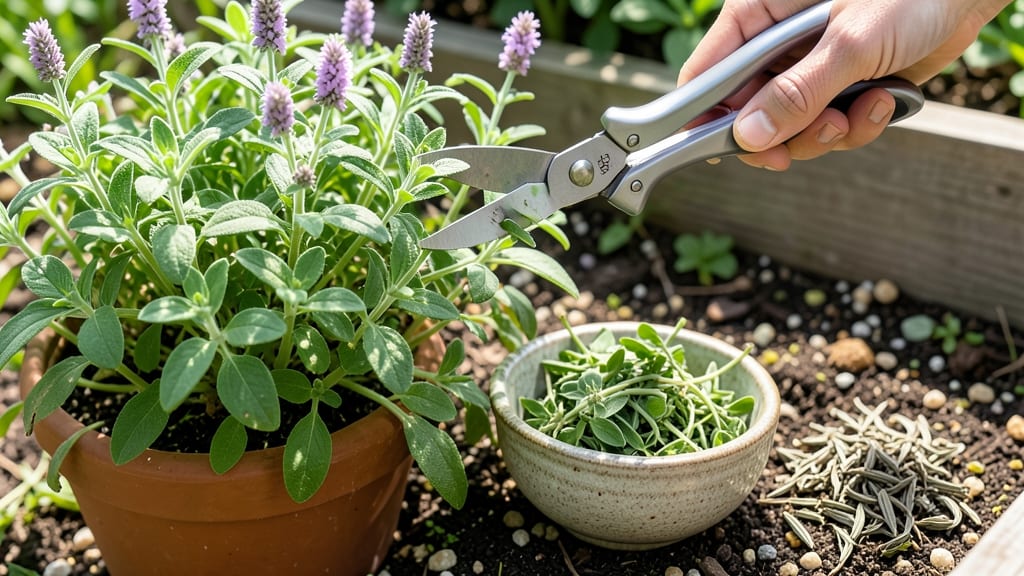
Knowing when to harvest an oregano plant at the right time turns a simple herb into a flavor powerhouse—and missing the window can leave you with bitter, less aromatic leaves.
You’ve spent weeks nurturing your 🌿 oregano plant, but how do you know when it’s truly ready? The secret lies in the leaf color shift and a simple stem snap test—two clues that most gardeners overlook.
In USDA Zone 6a, the best harvest window stretches from June to September, but timing matters even more than the season. A plant that’s too young or over-mature loses its signature earthy punch.
Here’s how to spot the perfect moment—plus pro tips for maximizing flavor, whether you’re harvesting leaves, stems, or both.
How to identify oregano’s harvest-ready leaf color shift
Harvesting oregano at the right time ensures maximum flavor and prevents bitterness. The most reliable indicator is a leaf color shift from deep green to a grayish-green hue. This subtle change signals that the plant has reached its peak maturity and oil production.
Pay close attention to this visual cue, as it’s your first clue that the leaves are ready for picking.
When oregano leaves transition to this grayish-green, they also become thicker and more aromatic. Crush a few leaves between your fingers—if they release a strong, earthy scent, that’s another confirmation you’re ready to harvest. This scent is a direct result of the plant’s essential oils reaching their highest concentration.
The plant height also plays a crucial role in determining harvest readiness. A mature oregano plant should be at least 6-8 inches tall with a bushy, well-established appearance. If your plant is still leggy or sparse, it needs more time to grow before you harvest.
Skipping this step can lead to stunted growth and weaker flavor profiles.
Here’s a quick visual guide to help you spot the perfect harvest time:
| Indicator | Description | Action |
|---|---|---|
| Leaf Color | Deep green → Grayish-green | Harvest now for peak flavor |
| Plant Height | 6-8 inches tall | Ideal for cutting stems |
| Leaf Aroma | Strong, earthy scent when crushed | Confirm harvest readiness |
| Stem Flexibility | Woody but still bendable | Avoid harvesting brittle stems |
| Plant Bushiness | Dense foliage, not leggy | Encourages regrowth |
A bushy growth habit is another key indicator that your oregano is ready for harvest. When the plant fills out with thick, healthy leaves, it’s a sign that it’s producing the most essential oils.
If you notice the plant starting to flower, it’s past its prime for harvesting—those leaves will taste bitter and lose their signature oregano flavor.
Timing matters beyond just color and height. The time of day can also impact flavor. Early morning harvests yield the most potent leaves because the essential oils are at their peak concentration after a night’s rest.
Avoid harvesting in the afternoon or evening, as the oils may have dissipated slightly, reducing the plant’s aromatic intensity.
If you’re growing oregano in containers, the same color and height rules apply. However, container-grown plants may mature slightly faster due to their limited root space.
Monitor them closely, especially if they’re in a sunny spot, as they can reach harvest-ready size in as little as 60-70 days from planting.
For gardeners in cooler climates, the leaf color shift might happen later in the season. Oregano is a Mediterranean herb, so it thrives in warm conditions. If your area experiences cooler summers, your plants may take longer to develop that grayish-green hue.
Patience is key—don’t rush the harvest, as immature leaves won’t deliver the robust flavor you’re after.
Once you’ve identified the perfect harvest time, use clean, sharp pruning shears to snip stems just above a leaf node. This encourages the plant to branch out and produce even more leaves. Regular harvesting—about every 4-6 weeks—keeps your oregano bushy and flavorful all season long.
Remember, the goal is to harvest before the plant flowers. If you let it bloom, the leaves will become bitter and less aromatic.
By focusing on the leaf color shift, plant height, and aroma test, you’ll always know when to pick your oregano for the best possible flavor.
The stem snap test: a pro gardener’s secret for perfect oregano harvests
Harvesting oregano at the right moment ensures maximum flavor and prevents bitter, woody stems. The stem snap test is my go-to method for determining peak harvest readiness. This simple technique saves time and frustration by eliminating guesswork.
Instead of relying solely on visual cues, you’ll learn to feel the plant’s readiness through its stem flexibility.
To perform the test, gently grasp a non-flowering stem near the base and bend it slightly. If the stem snaps cleanly with a slight bend—rather than breaking abruptly—your oregano is ready for harvest.
This indicates the plant has reached its ideal maturity without becoming overly woody. For best results, test multiple stems to confirm consistency across the plant.
⚠️ WARNING: Over-Harvesting Risks ⚠️
Harvesting too much at once can stunt your oregano’s growth. Never remove more than one-third of the plant in a single session. Over-harvesting weakens the root system and reduces future yields. For container-grown oregano, limit harvesting to 2-3 times per season to maintain vigor.
Avoid harvesting during extreme heat (afternoon sun) or drought stress, as this can cause the plant to become bitter. Early morning harvests yield the most aromatic oils and preserve flavor.
If the stem snaps with resistance or feels brittle, your oregano needs more time to mature. Brittle stems indicate the plant is past its prime, and the leaves may already be developing a bitter, medicinal taste.
In this case, wait 1-2 weeks before retesting. Patience here pays off with richer, more flavorful harvests.
For first-time growers, I recommend pairing the snap test with visual cues. Look for dark green, fuzzy leaves and a bushy growth habit at least 6-8 inches tall.
The combination of these signs with a flexible stem confirms your oregano is ready. Once you master the test, you’ll never second-guess your harvest timing again.
After harvesting, always use clean, sharp pruning shears to cut stems just above a leaf node. This encourages new growth and maintains the plant’s shape.
Store harvested oregano in a paper bag in the fridge for up to 2 weeks, or dry it in a well-ventilated area for long-term storage.
Pro tip: Mark your calendar for late spring to early summer, the prime harvest window for most climates. In warmer zones (USDA 9-10), you can extend harvesting into fall, but always prioritize the snap test over calendar dates. Your oregano’s health—and your recipes—will thank you.