
How To
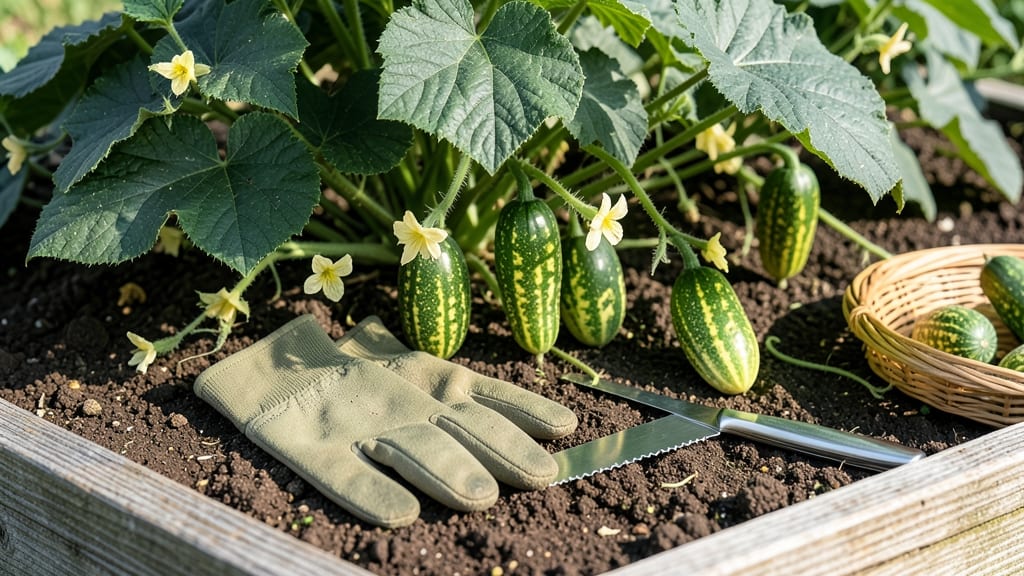
Harvesting cucamelons at the right time means catching them when they’re 1-2 inches long and bursting with sweet-tart flavor 🥒—not too early, not too late.
Picture this: you’ve spent weeks tending your vines, and now the tiny watermelon-shaped fruits are popping up everywhere. But how do you know when to pluck them? Grab one too soon, and it’ll taste bland; leave it too long, and it’ll turn bitter or even burst open.
The secret lies in size, color, and a little trick called the stem snap test.
Most gardeners focus on size alone, but the color shift from solid green to yellowish stripes is your first clue. Combine that with a firm texture and a clean snap when twisted from the vine, and you’ve got the perfect harvest window.
Skip this, and you might miss the peak flavor that makes cucamelons worth growing.
In this guide, I’ll break down the exact signs to watch for, how climate affects timing, and why checking the stem matters more than you think. By the end, you’ll never second-guess when to pick again.
How to determine cucamelon size and color for perfect harvest
Harvesting cucamelons at the right time transforms their flavor from bland to bursting with sweet-tart perfection. These tiny watermelon relatives need precise timing—too soon, and they’re underwhelming; too late, and they lose their crisp texture.
The key lies in watching two critical factors: their size and color changes over just a few days.
Start by focusing on the ideal cucamelon size, which is 1 to 2 inches long when fully ripe. This compact size ensures maximum flavor concentration. Smaller than an inch?
They’re still developing. Larger than two inches? They’ve likely peaked and may become seedy or bitter. Think of them like tiny watermelon oranges—perfectly proportioned for snacking.
Color is your next clue. Immature cucamelons are solid bright green, but as they ripen, they develop distinct yellowish-green stripes along their sides. This striped pattern signals peak ripeness.
The more stripes you see, the sweeter and tangier the fruit. Pro tip: Hold the cucamelon up to bright sunlight to spot these stripes more easily.
Here’s what to watch for when checking ripeness:
| Ripeness Stage | Size | Color | Texture | Flavor |
|---|---|---|---|---|
| Immature | Under 1 inch | Solid green | Soft, thin skin | Bland, watery |
| Perfectly Ripe | 1-2 inches | Yellow-green stripes | Firm, waxy skin | Sweet-tart, crisp |
| Overripe | Over 2 inches | Dull yellow | Shriveled, soft | Bitter, seedy |
Texture plays a hidden role in ripeness too. A perfectly ripe cucamelon has a slightly waxy, firm skin that resists gentle pressure. Press your thumb against it—if it leaves a faint indentation, it’s ready.
Overripe fruits feel soft and wrinkled, while underripe ones are almost translucent. This tactile check is especially useful when color stripes are faint.
Climate affects ripening speed. In hotter regions, cucamelons may mature faster—sometimes in as little as 50 days. Cooler climates can stretch this to 75 days.
If your vines are struggling to produce ripe fruits, consider pruning lower leaves to improve airflow and sunlight penetration to the developing fruits.
Don’t overlook the stem attachment as a final check. A ripe cucamelon detaches cleanly from the vine with a gentle twist. If the stem resists or tears, the fruit isn’t ready yet. This test works best in the morning, when fruits are fully hydrated and firmest.
Producers often harvest cucamelons every 2-3 days during peak season to encourage continuous production. Use a small pair of pruning shears or your fingers to avoid damaging the delicate vines. Store freshly picked cucamelons in the fridge for up to 5 days to preserve their crispness and flavor.
Remember: The earlier you harvest, the more sweet and tender they’ll be. Waiting just a day past perfect can turn that crisp texture into a mushy disappointment.
Keep your eyes peeled for those yellow-green stripes, and you’ll enjoy cucamelons at their absolute best—bursting with flavor in every bite. 🥒
The stem snap test: a pro gardener’s secret to harvesting at peak ripeness
Size and color are great starting points, but the stem snap test is what separates a good harvest from a great one. This simple trick reveals whether your cucamelons have reached their sweetest, crunchiest stage—something no ruler or color chart can tell you.
The test works because it checks the fruit’s internal maturity, not just its appearance.
Here’s how it works: grasp a cucamelon gently near its stem and twist it sideways with a slight pull. If it separates cleanly with a crisp, audible snap—almost like a dry twig breaking—it’s ready to eat.
No snap? It’s still firming up. Too much give? You’ve waited too long.
This method beats guessing by size because heat waves or shady spots can stunt growth, making fruits mature unevenly. A ripe cucamelon might be 1.5 inches long but still unripe, while a 2-inch one could be overripe. The snap test cuts through the confusion.
⚠️ callout-warning ⚠️
⚠️ Warning: Over-Twisting = Broken Vines
The stem snap test requires gentle pressure. Twisting too hard can damage the vine, reducing future yields. Always twist slowly and at a 45-degree angle—never yank! If the stem resists, the fruit isn’t ready yet.
Timing matters even more in hot climates, where cucamelons can ripen in 50 days instead of the usual 60. In cooler zones, they might take 75 days.
The snap test adjusts for these variations, ensuring you never miss the window. Pro tip: perform the test early in the morning when fruits are firmest.
Common mistakes include ignoring the snap entirely or mistaking a soft give for ripeness. Overripe cucamelons feel mushy and may leak seeds when twisted. Always pair the snap test with your fingers: a ripe cucamelon should feel firm but yielding, like a plump grape.
Once you master the snap, you’ll notice cucamelons taste sweeter and crunchier—proof that this tiny test packs a big flavor punch. Try it on your next batch, and you’ll wonder how you ever harvested without it.