
How To
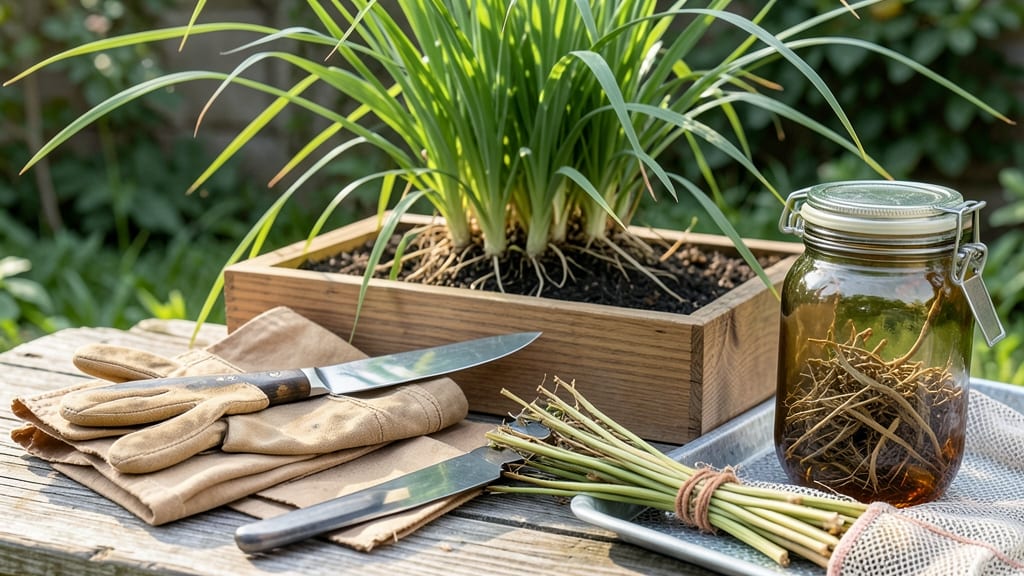
To harvest and store lemon grass properly, you’ll want to time the cut just right—when stalks are 12-18 inches tall and the base is thick enough to snap with a satisfying crack.
Lemon grass isn’t just a kitchen staple—it’s a versatile herb that thrives when harvested and stored correctly, ensuring you always have fresh citrusy flavor at your fingertips. But knowing when to cut it and how to preserve it can make the difference between wilted stems and vibrant, long-lasting bundles.
Harvesting too early means weak flavor, while waiting too long risks the plant flowering and losing its potency. The key is to trim the outer stalks first, leaving the inner ones to regrow, so your 🌿 keeps producing for months.
In this guide, you’ll discover the cut-and-dry method for long-term storage, plus alternative techniques like freezing and oil preservation—so you never run out of that bright, zesty aroma in your cooking.
When and how to harvest lemon grass for maximum flavor and longevity
Harvesting lemon grass at the right time ensures you capture its peak citrusy flavor while keeping your plant healthy and productive. The key is timing—cutting too early or too late can ruin both the taste and your plant's ability to regrow.
For the best results, aim to harvest when the stalks reach 12-18 inches tall with a 1-inch-thick base, typically 6-8 months after planting.
Never harvest after the plant flowers, as this signals the end of its flavorful phase. Flowering stalks become woody and bitter, making them unusable. Instead, focus on the lower third of the plant, leaving at least 6 inches of growth to encourage regrowth.
This method ensures your lemon grass keeps producing fresh, flavorful stalks for months.
Seasonal timing matters too. In USDA Zone 6a, the ideal harvest window is late summer to early fall (August-October), when temperatures are warm but not scorching. Avoid harvesting during extreme heat or cold snaps, as stress can weaken the plant and reduce flavor intensity.
You'll need just a few harvesting tools: a sharp pruning shears or clean kitchen knife, rubber gloves (to protect your hands from the plant's oils), and a bowl to collect the stalks. Always sterilize your tools with rubbing alcohol before cutting to prevent disease transmission between harvests.
Watch for signs of over-harvesting, like yellowing leaves or stunted growth. If your lemon grass looks stressed, reduce harvest frequency or skip a month entirely to let it recover. A healthy plant can produce 3-4 harvests per year if cared for properly, so balance is key.
After cutting, rinse the stalks briefly to remove dirt but avoid soaking, which can dilute their flavor. Pat them dry with a clean towel before storing.
For immediate use, store fresh stalks in the crisper drawer of your fridge, wrapped in a damp paper towel, where they'll stay fresh for up to 2 weeks.
If you're planning to dry or freeze your harvest, process the stalks within 24 hours of cutting. Delaying storage can cause oxidation, reducing both flavor and shelf life. Always trim off the tough outer leaves before drying to make the inner stems more usable.
Pro tip: Label your stored lemon grass with the harvest date. Freshly harvested stalks have the most intense flavor, so use those first. Properly stored lemon grass can retain its aroma for 6-12 months, making it a pantry staple worth the effort.
Step-by-step cut-and-dry method for storing lemon grass long-term
Once you’ve harvested your lemon grass at the perfect stage—stalks 12-18 inches tall with a 1-inch-thick base—the next step is drying it properly to preserve that bright citrus flavor.
The cut-and-dry method is my go-to for long-term storage, but timing and technique are everything to avoid bitter, brittle stems.
Drying lemon grass too quickly can sap its oils, while slow drying risks mold or pests. The key is a balanced environment—warm, dry, and well-ventilated—to lock in flavor and texture.
Whether you choose hanging bundles or air-drying on a rack, the goal is the same: even moisture loss without compromising quality.
How to Harvest and Store Lemon Grass
-
Step 1: Trim the Stalks
Use a sharp knife or pruning shears to cut stalks 2-3 inches above the base. Leave the inner stalks intact to regrow. -
Step 2: Clean and Bundle
Rinse stalks gently to remove dirt, then tie 3-5 stalks together with twine or rubber bands. Hang upside down in a dry, dark, well-ventilated spot. -
Step 3: Dry for 2-3 Weeks
Let bundles dry completely—leaves should crumble when touched. Avoid direct sunlight to prevent flavor loss. -
Step 4: Store in Airtight Containers
Once fully dry, strip leaves from stalks and store in glass jars or paper bags with a desiccant packet to absorb moisture. -
Step 5: Revive for Use
To rehydrate, soak dried stalks in warm water for 10-15 minutes before crushing for paste or broth.
For air-drying, lay stalks flat on a wire rack in a single layer, ensuring good airflow around each stalk. This method works well for smaller batches but requires more space and frequent monitoring to prevent uneven drying.
Avoid these common mistakes: storing damp stems (which mold quickly), using plastic containers (traps moisture), or exposing dried grass to humidity or light, which dulls flavor. With proper drying, your lemon grass can last 6-12 months while retaining its aromatic punch.
Pro tip: Label your storage containers with the harvest date to track freshness. The first stalks to use should always be the oldest ones—this keeps your stash rotating and flavorful.