
Vegetables
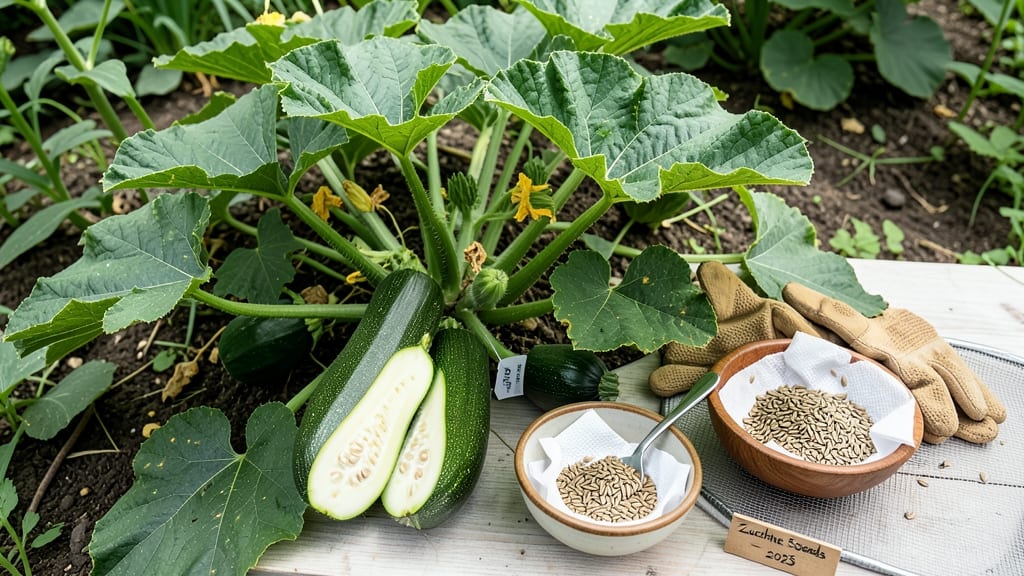
Harvesting zucchini seeds from overripe fruit unlocks a treasure trove of homegrown potential for next year’s garden 🎃.
Saving zucchini seeds isn’t just cost-effective—it’s a rewarding way to preserve heirloom varieties and ensure a bountiful harvest next season. But drying them properly is the secret to long-term viability.
If you’ve ever let a zucchini grow past its prime, you know it turns spongy and bitter—yet those seeds are the key to next year’s plants. The right timing and drying process make all the difference between seeds that sprout and ones that fail.
Below, I’ll walk you through the 4-step drying method that keeps seeds viable for 5+ years, plus common mistakes to avoid when storing them for planting.
When and how to harvest zucchini seeds for best viability
Timing is everything when harvesting zucchini seeds. The best seeds come from overripe fruit—not the crisp, edible zucchini you’d pick for dinner. Let them stay on the vine until they turn a dull yellowish-brown color and feel soft when pressed.
This usually happens 10-14 days after reaching full size, often in late summer when the plant naturally slows production.
Look for zucchini with wrinkled skin and a hardened stem end. These are clear signs the seeds inside are mature and ready for extraction. Skipping this stage means lower germination rates—so patience pays off!
I’ve learned the hard way that harvesting too early leads to weak, nonviable seeds that won’t sprout next season.
Once you’ve identified the perfect zucchini, avoid cutting it from the vine. Instead, use clean pruning shears to snip the stem about 2 inches above the fruit. This reduces damage and keeps the plant healthy for any remaining harvests.
Store the zucchini in a cool, dry place for 1-2 days before processing to let the seeds fully mature inside.
| Stage | Visual Cues | Action | Best Time |
|---|---|---|---|
| Overripe Fruit | Dull yellow-brown skin, wrinkled texture, hardened stem end | Harvest with pruning shears | Late summer, 10-14 days post-maturity |
| Seed Extraction | Soft, mushy flesh with visible seeds | Scoop seeds into bowl, ferment 3-5 days | Within 2 days of harvest |
| Rinsing | Seeds coated in slimy fermentation residue | Rinse with fine-mesh strainer, dry thoroughly | After fermentation completes |
| Drying | Seeds darken, rattle in container | Spread on paper towel, 2-3 weeks at 70-80°F | Indoor, low-humidity environment |
After harvesting, the next critical step is seed extraction. Cut the zucchini open lengthwise and scoop out the seedy pulp into a bowl. The flesh will be mushy and unappetizing, but this is where the magic happens!
Let the pulp sit at room temperature (70-80°F) for 3-5 days to ferment. This process removes the gel-like coating that inhibits germination.
Fermentation might smell unpleasant—think sour or yeasty—but resist the urge to rush it. The seeds need this time to clean themselves naturally. Once fermentation is complete, you’ll notice the pulp turns into a liquid slurry with seeds sinking to the bottom.
This is your cue to rinse them gently under cool water using a fine-mesh strainer.
Drying the seeds properly is non-negotiable for long-term storage. After rinsing, spread them on a paper towel in a single layer. Place the towel in a warm, dry spot with good airflow, like an open windowsill or a seed drying rack.
Avoid direct sunlight, which can overheat and crack the seeds. Stir them daily to ensure even drying, which typically takes 2-3 weeks.
Test for dryness by gently pressing a seed between your fingers—it should crackle and feel hard, not powdery. Store dried seeds in a paper envelope or glass jar with a silica gel packet to absorb moisture.
Label with the variety name and harvest year to avoid confusion. Properly stored seeds can last 5+ years with 90%+ germination rates.
One common mistake is harvesting seeds from hybrid zucchini varieties, which won’t produce true-to-type plants. Stick to heirloom or open-pollinated varieties like ‘Black Beauty’ or ‘Golden Zucchini’ for reliable results. Also, avoid seeds that feel moldy or discolored—these won’t sprout, and tossing them saves future frustration.
Finally, keep a seed viability log to track germination rates year over year. Note which varieties perform best in your climate and adjust your harvesting timing accordingly. With practice, you’ll develop a knack for predicting the perfect moment to harvest seeds—ensuring your garden thrives for seasons to come. 🌱
Step-by-step zucchini seed drying process for long-term storage
Once you’ve harvested your overripe zucchini and extracted the seeds, the next critical step is drying them properly. This ensures high germination rates and prevents mold or spoilage. The 4-step drying process I’ll share below keeps seeds viable for 5+ years when stored correctly.
Proper drying removes moisture while preserving seed integrity. Skipping this step risks fungal growth or seeds that won’t sprout. Let’s break it down into actionable steps with the right conditions for success.
Step-by-Step Zucchini Seed Drying Process
-
Step 1: Ferment the Seeds
Place seeds in a clean jar with water, covering them by 1 inch. Let ferment for 3-5 days at 70-75°F to kill bacteria and separate viable seeds from pulp. -
Step 2: Rinse Thoroughly
Drain water and rinse seeds under cool water to remove remaining pulp. Use a fine-mesh strainer for easy cleanup. -
Step 3: Dry the Seeds
Spread seeds on a paper towel or seed drying screen in a well-ventilated area. Maintain 60-70°F and 40-50% humidity for 1-2 weeks until completely dry. -
Step 4: Store Properly
Transfer dried seeds to airtight containers (paper envelopes or glass jars) with a silica gel packet to absorb moisture. Label with variety name and harvest year.
For fermentation, I recommend using a wide-mouth mason jar to allow gases to escape during the process. The key is patience—rushing this step can lead to moldy seeds. After rinsing, gently pat seeds dry with a clean paper towel before spreading them out.
During the drying phase, avoid direct sunlight to prevent overheating, which can damage seeds. A dehumidifier or air conditioner helps maintain ideal humidity levels. Test dryness by crushing a seed—if it feels brittle and breaks easily, it’s ready for storage.
Store seeds in a cool, dark place like a seed vault or refrigerator to extend their lifespan. Check containers every 6 months for signs of moisture or pests. With this method, your zucchini seeds can last for generations!
Pro tip: Write the harvest year on your storage containers to track seed age. Older seeds (over 5 years) may have reduced viability, so prioritize planting newer batches first.