
How To
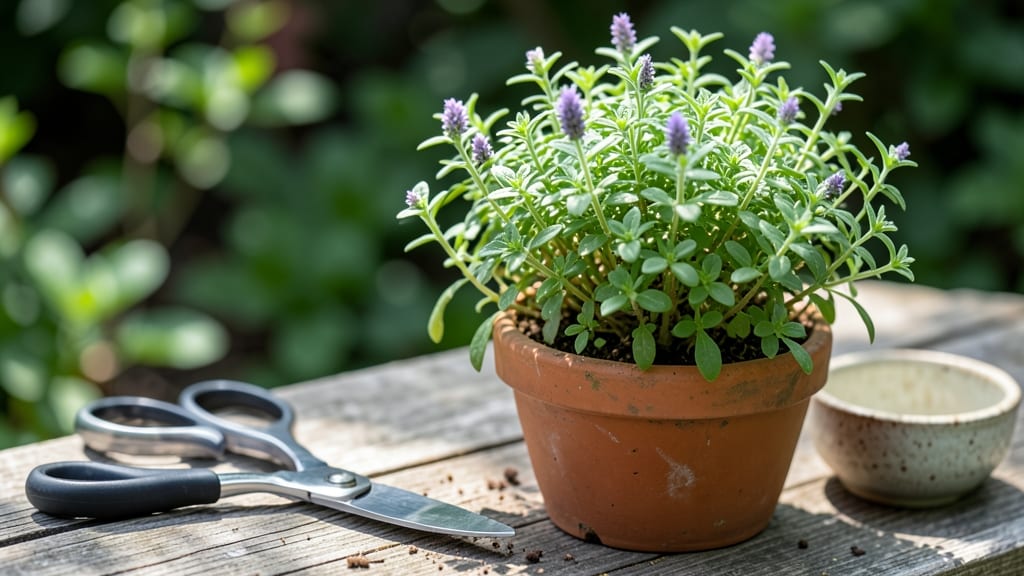
To harvest lemon thyme 🍋 at its peak, focus on the right time and technique—before the stems turn woody and the flavor dulls.
Picture this: you snip a sprig, crush it between your fingers, and that bright citrus burst fills the air. That’s the moment you’ve been waiting for—when lemon thyme is ready to be harvested for the best flavor and aroma.
But timing is everything. Harvest too early, and the leaves are sparse; wait too long, and the stems harden, turning bitter. The key is cutting just before flowering, when the plant is lush and fragrant, ensuring you get that signature lemony punch in every dish or potpourri.
In this guide, I’ll walk you through when to harvest, how to do it without harming your plant, and how to store your bounty so it stays fresh and flavorful for weeks.
When to harvest lemon thyme for maximum flavor and aroma
Lemon thyme reaches its peak flavor and aroma when its stems develop a slight woody texture but remain flexible. This stage typically occurs 60-90 days after planting, though timing varies based on your USDA zone and growing conditions.
For most gardeners in Zone 6, the ideal harvest window spans from late June through September, with a secondary harvest possible in early October before the first frost.
Harvesting too early—when stems are still soft—means missing out on the bright citrus notes that define lemon thyme. Conversely, waiting until stems become hard and brittle reduces potency and can stress the plant.
The key is to harvest just as the leaves turn dark green and fragrant, signaling the plant’s essential oils have fully developed. This balance ensures you get the most flavor without compromising future growth.
Seasonal changes also play a critical role. In spring, lemon thyme grows rapidly, and harvesting should focus on encouraging bushier growth by trimming back one-third of the plant. By summer, the plant matures, and you can harvest more aggressively, but always leave enough foliage to support photosynthesis.
In fall, slow growth means harvesting should be minimal to avoid weakening the plant before winter dormancy.
Over-harvesting is a common mistake that weakens lemon thyme plants, leading to sparse foliage and reduced flavor. Never remove more than one-third of the plant at a time, and avoid stripping leaves from stems, which can damage the plant’s ability to regenerate.
Instead, use clean, sharp pruning shears to cut stems just above a leaf node, encouraging new growth from that point.
| Harvest Stage | Key Indicators | Best Time to Harvest | Seasonal Notes |
|---|---|---|---|
| Early Growth | Soft stems, sparse leaves, mild scent | Avoid harvesting; focus on pruning for bushiness | Spring (April-May) |
| Peak Flavor | Woody but flexible stems, dark green leaves, strong lemon scent | Harvest stems before flowering for maximum potency | Summer (June-September) |
| Late Harvest | Stems slightly woody, leaves still fragrant but less abundant | Light harvesting only; avoid over-pruning | Fall (October, before frost) |
| Over-Harvested | Bare stems, wilting leaves, weak scent | Stop harvesting; focus on recovery | Any season (requires pruning adjustments) |
Morning is the best time to harvest lemon thyme because the essential oils are most concentrated after a night’s rest. Avoid harvesting after rain or in the heat of the day, as this can dilute the plant’s aromatic compounds.
Always use clean tools to prevent disease, and shake off excess soil before storing or using the harvest. For culinary use, fresh lemon thyme is ideal, but you can also dry or freeze it to preserve its flavor for later.
If you’re growing lemon thyme in containers, harvesting may need to be more conservative due to limited root space. Container-grown plants are also more susceptible to over-harvesting stress, so monitor their growth closely.
In-ground plants, on the other hand, can handle slightly more aggressive harvesting, provided you follow the one-third rule and leave enough foliage for photosynthesis.
To encourage continuous growth and flavor production, consider light fertilizing with a balanced 5-10-10 NPK fertilizer in early spring and summer. This supports the plant’s ability to recover from harvesting while maintaining its lemony aroma.
Avoid fertilizing in fall or winter, as the plant enters dormancy and doesn’t require additional nutrients.
One of the biggest mistakes gardeners make is harvesting lemon thyme after it flowers. While the flowers are edible and add a subtle lemon note, they signal the end of the plant’s primary growth cycle.
Harvesting before flowering ensures you capture the brightest, most potent leaves for cooking, teas, or potpourri. If you do harvest flowers, use them immediately or dry them quickly to preserve their delicate flavor.
For year-round harvesting, grow lemon thyme in a sunny indoor space with a south-facing window or under grow lights. Indoor plants may require more frequent harvesting to prevent legginess, but they’ll reward you with a steady supply of fragrant leaves.
Just be mindful of pest risks indoors, like spider mites, and keep the plant healthy with proper care.
Remember, the goal is to balance harvest and regrowth. A well-maintained lemon thyme plant can produce flavorful leaves for years, provided you harvest wisely and give it the care it needs.
With the right timing and techniques, you’ll enjoy a bountiful supply of lemon thyme that’s perfect for seasoning dishes, infusing oils, or simply savoring its citrusy fragrance.
Step-by-step harvesting techniques to preserve lemon thyme’s potency
Harvesting lemon thyme correctly ensures you capture its brightest flavor and encourage healthy regrowth. The key is cutting stems at the right time of day and using the proper pruning tools to avoid damaging the plant.
I always harvest my lemon thyme in the morning after dew dries but before the midday heat. This timing preserves the plant’s essential oils, which are most potent when the air is cool.
A pair of sharp, clean pruners or scissors is ideal—never tear leaves, as this weakens the plant.
How to Harvest Lemon Thyme
- 1 Choose the right stems: Select non-flowering stems that are woody but flexible, typically 6-12 inches tall.
- 2 Cut just above a leaf node: Angle your pruners at 45 degrees about 1/4 inch above where new growth emerges.
- 3 Avoid stripping leaves: Never pluck individual leaves—this stresses the plant and reduces future harvests.
- 4 Harvest regularly: Trim 1/3 of the plant every 4-6 weeks to maintain shape and potency.
- 5 Store properly: Rinse stems, pat dry, and store in a paper towel-lined bag in the fridge for up to 2 weeks.
After harvesting, I always rinse the stems briefly under cool water to remove dirt, then pat them dry with a paper towel. This prevents moisture buildup, which can cause mold.
For long-term storage, I freeze the stems in an airtight container—just crush the leaves directly from the freezer for instant flavor.
One common mistake is over-harvesting, which weakens the plant. If you notice sparse growth or yellowing leaves, cut back on harvesting and focus on watering and fertilizing to revive the plant. A balanced 5-10-10 fertilizer applied every 6 weeks helps encourage lush regrowth.
Pro tip: If your lemon thyme starts flowering, prune the blooms immediately to redirect energy back into leaf production. This ensures your plant stays bushy and aromatic for future harvests. With the right technique, your lemon thyme will thrive and reward you with bold, citrusy flavor all season long.