
How To
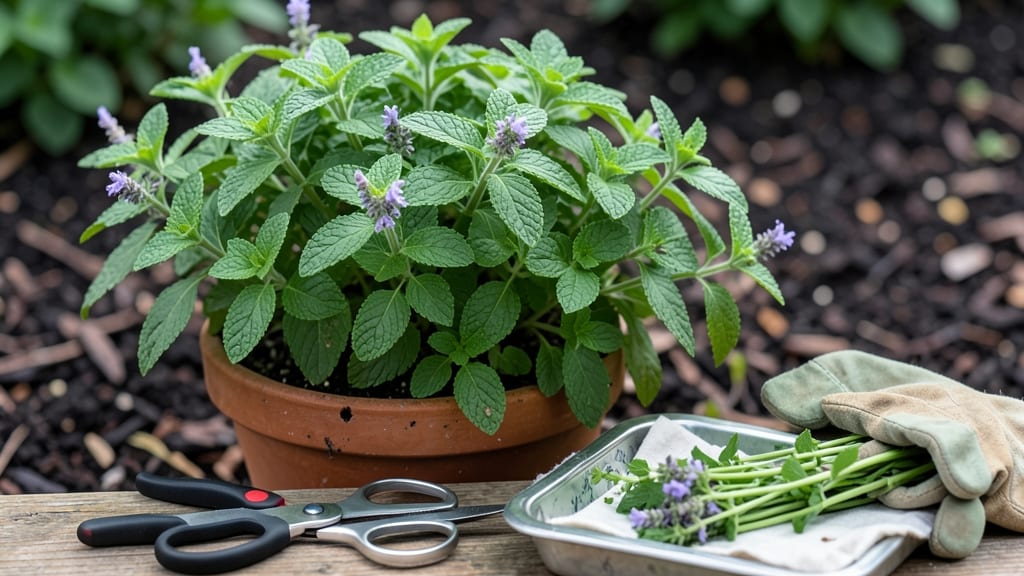
Harvesting a mint plant at the right time keeps it flavorful and encourages lush regrowth—so you never run out of fresh leaves for cooking or tea.
Fresh mint isn’t just a kitchen staple—it’s a fast-growing powerhouse that can take over your garden if left unchecked. Learn the exact timing, techniques, and tools to harvest mint like a pro while keeping your plant thriving (and your neighbors’ gardens mint-free!).
Most gardeners miss the best window—harvesting too early when leaves are small or too late when the plant turns bitter. Below, I’ll show you how to spot the perfect moment, the sharpest tools to use, and how to prune for a bushier, more productive plant all season.
You’ll also discover the three best ways to store your harvest, whether you’re drying it for winter teas or freezing it for summer cocktails. No more wasted mint—just vibrant flavor whenever you need it.
When and how to harvest mint for maximum flavor and growth
Timing your mint harvest is everything—get it wrong, and you’ll end up with bitter-tasting leaves or a leggy, sparse plant. The best time to harvest mint is when it’s actively growing but hasn’t yet flowered, typically between late spring and early fall.
This aligns with mint’s peak flavor and ensures your plant stays bushy and productive. Spring harvests (May-June) give you the freshest leaves, while fall harvests (August-September) prepare the plant for winter dormancy.
Look for these visual cues to know when your mint is ready: vibrant green leaves, 4-6 inch stems, and a strong minty aroma when crushed.
Avoid harvesting when stems become woody or flower stalks appear, as this signals over-maturity and reduced flavor. Early morning harvests yield the most potent flavor, as essential oils are concentrated after a night’s rest.
How to Harvest Mint: Step-by-Step
- Step 1: Choose healthy stems with 6-8 sets of leaves. Avoid stems with yellowing or damaged leaves.
- Step 2: Use clean, sharp pruning shears or your fingers to pinch stems just above a leaf node (where new growth emerges).
- Step 3: Cut or pinch 1/3 of the plant’s growth at a time to encourage bushier regrowth. Never remove more than this in one session.
- Step 4: Harvest before flowering to maintain flavor potency. Flowering signals the plant is shifting energy to reproduction, not leaf growth.
- Step 5: Rinse leaves under cool water to remove dirt, then gently pat dry with a paper towel. Store immediately or use fresh.
Harvesting mint correctly isn’t just about timing—it’s about encouraging regrowth. Always cut or pinch stems just above a leaf node, where new shoots will sprout. This technique, called pruning for bushiness, ensures your mint stays compact and productive.
If you skip this step, your plant will grow tall and leggy, producing fewer leaves and weaker flavor.
Did you know mint can grow aggressively? That’s why regular harvesting is key—it prevents your mint from spreading uncontrollably into your neighbor’s garden. If you notice stems becoming woody or hollow, it’s a sign you’ve waited too long.
Woody stems indicate the plant is past its prime for harvesting, and the flavor will be noticeably duller.
For container-grown mint, follow the same rules but harvest slightly more frequently—every 2-3 weeks—to prevent root-bound stress. Container plants have limited space, so pruning stimulates denser growth within the pot.
If your mint starts flowering, remove the flower stalks immediately to redirect the plant’s energy back into leaf production.
Seasonal adjustments matter too. In summer’s heat, mint grows faster, so harvest every 3-4 weeks to keep it from bolting (sending up flower stalks prematurely). In fall, reduce harvesting frequency as the plant prepares for dormancy, but don’t stop entirely—light pruning keeps the plant healthy for next year.
Pro tip: Save a few stems during each harvest to root in water. This creates free clones for gifts or expanding your garden. Just place a stem in a jar of water, and in 2-3 weeks, you’ll have a new mint plant ready to transplant.
It’s a great way to share mint without spreading it invasively!
Finally, avoid these harvesting mistakes: using dull tools (which crush stems), harvesting after rain (leaves wilt faster), or removing more than 1/3 of the plant at once.
Over-harvesting stresses mint, leading to slow regrowth or even death. When done right, your mint will reward you with lush, aromatic leaves all season long.
Best tools and techniques to prune mint without killing the plant
Pruning mint isn’t just about harvesting—it’s about encouraging growth and preventing your plant from becoming woody or bitter. The right tools and techniques make all the difference between a thriving herb garden and a sad, leggy bush.
I’ve made the mistake of using dull scissors or pinching leaves too hard, which can stress the plant and stunt its growth. Mint is resilient, but it still needs gentle care to stay lush and productive.
Below, I’ll share the tools I swear by and the pruning secrets that keep my mint plants flourishing.
Using the wrong tool can damage stems or spread disease. For example, fingernails leave jagged cuts that heal poorly, while dull scissors crush stems instead of making clean snips. The key is to use sharp, clean pruners or scissors designed for herbs.
⚠️ Warning: Over-Harvesting Kills Mint
Never remove more than one-third of the plant at once. Mint regrows from its base stems, so pruning too aggressively can leave it bare and stressed. If you harvest stems, always leave at least 2-3 sets of leaves to keep the plant photosynthesizing.
The best time to prune mint is in the morning when leaves are dry and dew-free. This reduces the risk of fungal infections and gives the plant time to recover before evening. I also avoid pruning during peak summer heat, as the plant can become stressed.
To encourage bushier growth, always cut just above a leaf node (the point where leaves meet the stem). This promotes new shoots to grow from that spot. If you cut too close to the base, you risk exposing the crown to rot or pests.
Aim for a 45-degree angle to prevent water from pooling on the cut.
If your mint plant looks leggy or sparse, it’s time for a hard prune. Trim back all stems to 4-6 inches tall and fertilize lightly afterward. Within weeks, you’ll see fresh, bushy growth. For struggling plants, reduce pruning and focus on watering and shade until they recover.