
How To
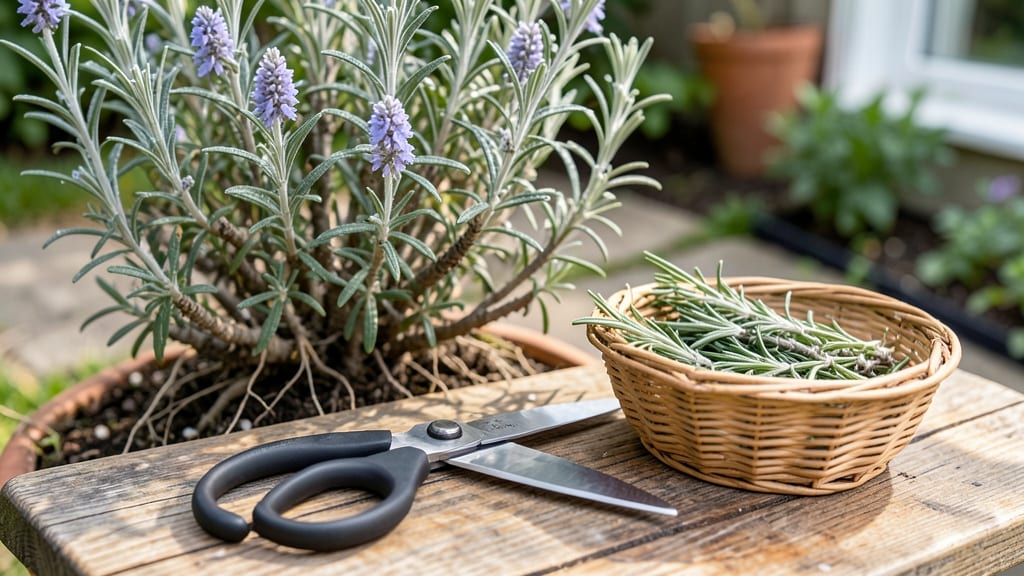
To harvest rosemary at its peak flavor and encourage bushier growth, focus on timing and technique—cutting too much or too late can weaken your plant.
Picture this: you’ve nurtured your 🌿 rosemary all spring, and now it’s thriving, but you’re unsure when to snip without harming it. The secret lies in harvesting before flowering, when the stems are firm and fragrant, and using the right pruning method to keep your plant lush year after year.
Many gardeners make the mistake of over-pruning or harvesting at the wrong time, which can stress the plant or even kill it. But with the right approach, you’ll not only get the freshest sprigs for cooking but also a rosemary bush that grows fuller and more productive.
In this guide, I’ll walk you through the exact steps—from when to harvest to how to store your rosemary—so you can enjoy a steady supply of this aromatic herb without sacrificing your plant’s health.
When and how to harvest rosemary for optimal growth
Harvesting rosemary at the right time ensures you get the most flavorful sprigs while keeping your plant healthy and bushy. The best time to harvest is spring through early summer, before the plant flowers. This is when the essential oils that give rosemary its aroma are at their peak.
If you wait until after flowering, the flavor becomes more bitter, and the plant directs its energy toward seed production instead of new growth.
Timing isn’t just about the season—it’s also about the time of day. Always harvest rosemary in the morning after the dew has dried but before the sun is at its peak.
This ensures the leaves are fully hydrated and packed with flavor. Avoid harvesting in the evening or after rain, as excess moisture can lead to fungal issues or diluted flavor.
Now, let’s talk about the tools you’ll need. Use a pair of clean, sharp pruning shears or scissors to make precise cuts. Avoid using dull tools, as they can crush the stems and damage the plant.
A small hand pruner works well for smaller plants, while larger bushes may require bypass pruners for cleaner cuts.
Before you start harvesting, inspect your rosemary plant for signs of readiness. Look for woody stems that are firm to the touch and dark green, aromatic leaves. If the stems are still soft or the leaves are sparse, wait a few more weeks.
The ideal height for harvesting is when the plant reaches 6 to 12 inches tall, as this encourages bushier growth.
Step-by-Step Guide to Harvesting Rosemary
- ✂️ Choose the right stems: Select non-flowering stems with at least 3-4 sets of leaves. Avoid cutting into the woody center of the plant.
- 📏 Measure your cut: Make your cut ¼ inch above a leaf node (where leaves meet the stem). This encourages new growth from that spot.
- ✂️ Cut at a 45-degree angle: This increases the surface area for water absorption, helping the plant recover faster.
- 🌱 Harvest no more than ⅓ of the plant: Removing too much foliage at once can stress the rosemary, so space out your harvests.
- 💧 Water after harvesting: Give the plant a deep watering to help it recover and encourage new growth.
- 🌿 Prune for shape: Trim back any overly long or leggy stems to maintain a compact, bushy shape.
When harvesting, focus on the outer stems first, as these are the newest and most flavorful. This method, called selective pruning, encourages the plant to fill out and become denser over time.
If you’re harvesting for culinary use, avoid cutting stems that are too woody—they’ll be tough and less aromatic. Instead, target the tender, flexible stems with vibrant green leaves.
One common mistake is harvesting too much at once, which can weaken the plant. To avoid this, limit your harvest to no more than ⅓ of the plant’s foliage in a single session.
For example, if your rosemary bush is 18 inches tall, only remove stems from a 6-inch section. This approach ensures your plant has enough energy to recover and continue growing.
After harvesting, store your rosemary properly to preserve its flavor. For short-term use, wrap the stems in a damp paper towel and place them in a plastic bag in the fridge for up to a week.
For long-term storage, bundle the stems and hang them upside down in a dry, dark place for 1-2 weeks until fully dried. You can also freeze fresh rosemary in ice cube trays with water or oil for later use.
To encourage even more growth, consider a light fertilizer application after harvesting. Use a balanced, water-soluble fertilizer (like 10-10-10) diluted to half strength. Apply it in the early morning and water thoroughly afterward. This gives your rosemary the nutrients it needs to bounce back quickly and produce new, flavorful stems.
With these techniques, your rosemary will thrive year after year, providing you with a steady supply of fragrant sprigs for cooking, crafts, or simply enjoying its pine-like scent. Happy harvesting! 🌿
Rosemary pruning mistakes that kill your plant (and how to Fix them)
Even the hardiest 🌿 rosemary plants can suffer if pruned incorrectly. One of the biggest mistakes is harvesting too aggressively—cutting back more than one-third of the plant at once can shock your rosemary into dormancy or even death.
I’ve seen gardeners trim their entire bush down to stubs, thinking it’ll encourage regrowth, only to watch it struggle for months to recover.
Another common error is pruning at the wrong time of year. Harvesting in late fall or winter, when your rosemary is already slowing down, weakens its ability to bounce back.
Even in mild climates, timing matters—spring and early summer are the safest windows for pruning to stimulate new growth before the plant enters its dormant phase.
🚨 WARNING: HARVESTING MISTAKES THAT KILL ROSEMARY 🚨
⚠️ Over-Pruning
Cutting back more than 30% of the plant at once removes too much foliage for photosynthesis. Your rosemary loses its energy source, leading to stunted growth or even death in severe cases.
🔹 Fix: Never trim more than one-third in a single session. Space out harvests 4-6 weeks apart to give your plant time to recover.
⚠️ Wrong Cutting Technique
Snipping stems too close to the base or leaving jagged cuts creates entry points for disease and pests. Always use clean, sharp pruning shears and cut at a 45-degree angle, ¼ inch above a leaf node.
🔹 Fix: Sterilize shears with rubbing alcohol between cuts. Aim for healthy green stems—avoid cutting into woody, brown sections.
⚠️ Harvesting After Flowering
Once rosemary flowers, its flavor weakens, and the plant redirects energy to seed production. Harvesting at this stage stresses the plant and reduces next year’s yield.
🔹 Fix: Prune before buds form (late spring to early summer). If flowers appear, snip them off immediately to encourage leafy growth.
If your rosemary looks stressed after pruning—yellowing leaves, sparse growth, or slow recovery—it’s likely suffering from one of these mistakes. The good news? Rosemary is resilient.
With the right care, you can revive it by focusing on watering deeply (but not overwatering), providing full sun, and avoiding further pruning until new growth appears.
Here’s how to spot a healthy vs. stressed rosemary plant: Healthy stems are woody yet flexible, with dark green, aromatic leaves. Stressed plants have yellowing or dropping leaves, brown tips, or a weak, leggy appearance.
If you see these signs, scale back on harvesting and focus on recovery.
Pro tip: Use the "thirds rule" for pruning. Divide your rosemary into three equal sections and never harvest more than one section at a time. This keeps your plant balanced and encourages bushier growth over time.
With patience, your rosemary will bounce back—and you’ll have a thriving herb garden for years.
🌱