
How To
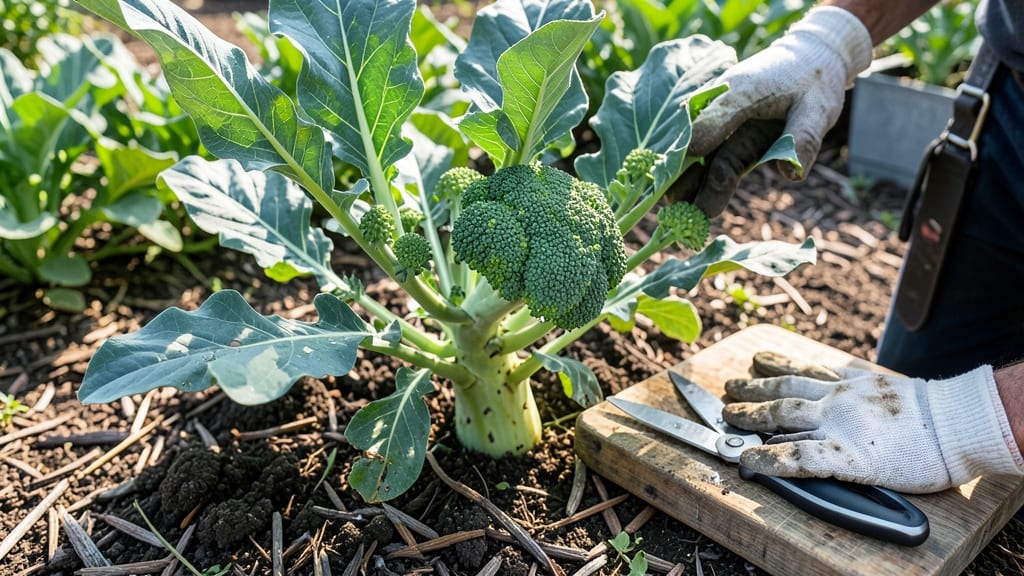
How many times can you harvest broccoli? The answer is easier than you think—with the right technique, you can get three or more harvests from a single 🥦 plant.
Did you know your broccoli plant could give you three or more harvests instead of just one? Mastering the cut-and-come-again technique transforms a single harvest into a bounty—saving space, time, and money while keeping your kitchen stocked with fresh, homegrown florets.
Most gardeners stop at the first head, but cutting properly encourages regrowth. The key? Snip just above a set of leaves where new side shoots will form, and keep the soil moist while the plant recovers.
In USDA Zone 6a, spring-planted broccoli can reward you with multiple harvests from June through August.
Below, I’ll walk you through the exact steps—when to cut, how to spot regrowth, and the three best varieties for cut-and-come-again success. No more wasted plants, just more broccoli on your table!
How many times can you harvest broccoli: the science behind cut-and-come-again
Broccoli isn’t just a one-harvest wonder—it’s a cut-and-come-again superstar when you understand its biology. Most gardeners assume harvesting the main head means the plant is done, but with the right technique, you can coax 2-3 (or even 4!) harvests from a single plant.
The secret lies in broccoli’s ability to regrow side shoots after the primary head is removed, triggered by hormonal shifts and environmental cues like sunlight exposure and temperature stability.
This regrowth isn’t magic—it’s science. When you cut the main head, the plant’s auxin hormones (growth regulators) redistribute to lateral buds, stimulating new florets to form.
However, this only works if the plant has enough energy reserves, which depends on nutrient-rich soil, consistent watering, and optimal growing conditions before and after harvest. Skimp on care, and you’ll get weak side shoots or no regrowth at all.
Not all broccoli varieties excel at cut-and-come-again. Calabrese (the classic green variety) is your best bet for multiple harvests, while Purple Sprouting types prioritize side shoots over a single large head.
Even within Calabrese, some hybrids like ‘De Cicco’ are bred specifically for regrowth. Plant spacing also matters—crowded plants compete for nutrients, reducing their ability to regenerate.
Here’s the kicker: timing is everything. Harvest the main head too early, and the plant won’t have stored enough energy. Wait too long, and the florets turn bitter or bolt (send up flowers). Aim for a 4-8 inch diameter head with tightly packed, dark green florets.
After cutting, watch for new side shoots emerging from the leaf axils within 2-4 weeks—this is your cue that regrowth is underway.
| Regrowth Stage | Visual Cues | Timeframe | Action Required |
|---|---|---|---|
| Initial Harvest | Main head 4–8" diameter, florets tight and dark green | 70–100 days after planting | Cut 6–8" below head, leaving 2–3" stem |
| Side Shoot Emergence | Small buds forming in leaf axils (look like tiny broccoli heads) | 2–4 weeks post-harvest | Fertilize with balanced 10-10-10, water deeply |
| First Side Shoot Harvest | Side shoots 3–5" diameter, florets compact | 4–6 weeks after initial harvest | Cut at base, leave 1–2" stem for next flush |
| Second Side Shoot Regrowth | New buds appear on remaining stems, smaller but harvestable | 3–5 weeks after first side harvest | Reduce fertilizer, focus on watering |
| Final Harvest or Bolting | Plants send up flowers (bolting) or produce tiny, bitter florets | 8–12 weeks after initial harvest | Harvest all remaining florets or pull plant |
The number of harvests you’ll get hinges on three critical factors: variety selection, post-harvest care, and environmental conditions. For example, Calabrese in cool climates (USDA Zones 3–7) often yields 3 harvests, while Purple Sprouting in mild coastal areas can stretch to 4.
Heat waves or drought stress, however, can halt regrowth entirely—broccoli is a cool-season crop that bolts quickly in temperatures above 80°F (27°C).
Sunlight plays a surprising role, too. While broccoli thrives in full sun (6+ hours daily), partial shade after the main harvest can actually boost side shoot production. This is because reduced light stress shifts the plant’s energy toward lateral growth rather than maintaining a large central head.
Pair this with consistent moisture (but never soggy soil), and you’ll maximize regrowth potential.
One common misconception is that cutting too close to the stem stunts regrowth. Always leave 2–3 inches of stem below the cut—this ensures the plant retains enough vascular connections to transport water and nutrients to new shoots.
Another pro tip: harvest side shoots when they’re smaller (3–5 inches) for better flavor and to encourage more lateral buds to form.
To squeeze every last harvest out of your broccoli, start with healthy, disease-free plants and amend your soil with compost before planting. After the initial harvest, switch to a low-nitrogen fertilizer (like 5-10-10) to promote flowering without excessive leafy growth.
And remember: patience is key. Rushing the process or ignoring environmental cues will limit your yield.
With the right approach, your broccoli plant can become a year-round producer in cool climates, or at least a three-harvest powerhouse in warmer regions. The science is simple—cut strategically, care consistently, and watch those side shoots multiply. Soon, you’ll wonder why you ever harvested broccoli just once!
Step-by-step guide to maximizing broccoli harvests: when and how to cut for regrowth
Harvesting broccoli once isn’t the end—it’s just the beginning! With the right cut-and-come-again technique, you can coax two to three harvests (or more!) from a single plant.
The key lies in understanding when to cut, how deep to prune, and how to care for your plant post-harvest to encourage regrowth. Whether you're in a cool spring climate or a warm summer zone, these steps ensure your broccoli keeps producing.
Start by harvesting the main floret head when it reaches 4–8 inches in diameter and florets are tightly packed. Use a sharp knife or pruning shears to cut the stem 6–8 inches below the head—this leaves enough energy reserves for the plant to regenerate.
Avoid cutting too close to the base, as this can stunt regrowth or harm the plant’s health. After the first harvest, focus on nurturing the plant back to strength for its next bounty.
5 Critical Mistakes to Avoid When Harvesting Broccoli for Regrowth
-
1. Cutting too close to the stem
Leaves no energy reserves for regrowth. Always cut 6–8 inches below the main head. -
2. Overwatering after pruning
Causes root rot and weakens the plant. Water lightly for 3–5 days post-harvest, then resume normal care. -
3. Ignoring side shoots
New florets grow from side stems. Harvest these before they yellow to encourage more production. -
4. Skipping fertilizer post-harvest
Apply a balanced 10-10-10 fertilizer 1–2 weeks after cutting to boost regrowth. -
5. Harvesting in extreme heat
Stress from high temperatures (>90°F) can kill the plant. Prioritize harvests in cool mornings or shade.
After harvesting the main head, monitor your broccoli plant for new side shoots, which typically emerge within 2–4 weeks. These smaller florets are just as flavorful and can be harvested every 3–5 days as they mature.
For cool-season climates, aim to harvest side shoots in late spring or early fall when temperatures are mild. In warm climates, focus on early morning harvests to avoid wilting.
Post-harvest care is critical. Within 1–2 weeks after cutting, apply a light fertilizer (like compost tea or a diluted 10-10-10 mix) to replenish nutrients. Water deeply in the morning to encourage strong root growth, but avoid soggy soil, which invites disease.
Mulch around the base with straw or grass clippings to retain moisture and suppress weeds, giving your broccoli the best chance to recover.
Seasonal timing plays a huge role in regrowth success. In cool climates (USDA Zones 3–6), broccoli thrives in spring and fall, with regrowth possible until the first frost. In warm climates (Zones 7–10), plant fall crops for winter harvests, as broccoli struggles in summer heat.
Always choose disease-resistant varieties like Calabrese or De Cicco for better regrowth potential.
With patience and proper care, your broccoli plant can reward you with three or more harvests per season. The secret? Timely cuts, smart post-harvest care, and seasonal awareness. Start small—try the cut-and-come-again method on one or two plants—and watch your garden transform into a never-ending floret factory! 🥦