
How To
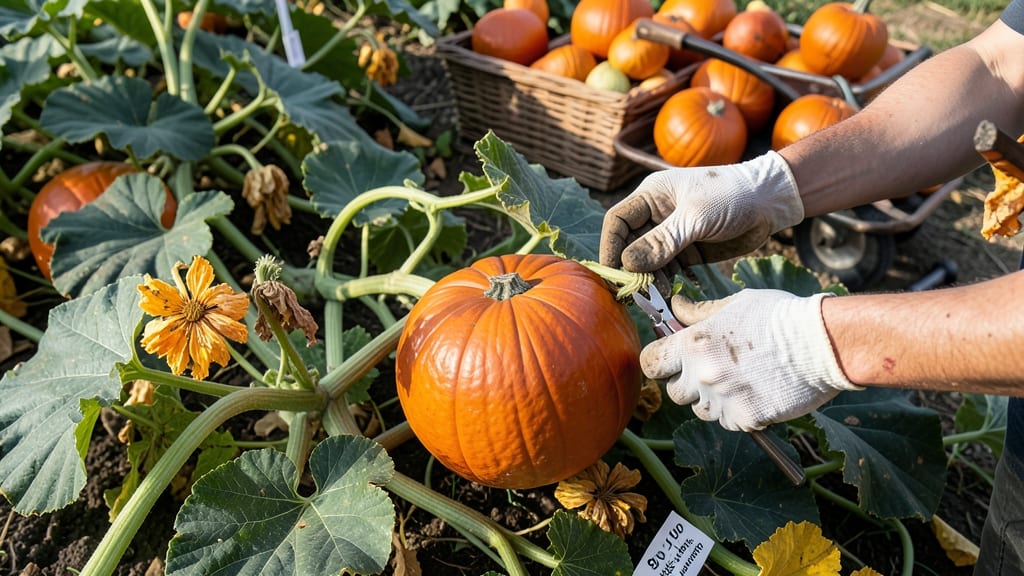
Harvesting pumpkins at the right time means the difference between a perfectly ripe 🎃 and one that’s either too soft or bitter.
Knowing exactly when to harvest pumpkins can mean the difference between a perfect jack-o'-lantern and a mushy, flavorless mess—so let’s cut through the guesswork with science-backed timing.
Most pumpkin varieties need 75 to 100 days from planting to harvest, but timing isn’t just about days—it’s about watching for key visual cues like a hardened rind and a drying stem.
Below, I’ll break down the exact signs to look for, how to avoid common mistakes, and how to store your pumpkins once they’re ready for the picking.
How long to harvest pumpkins: key signs skin hardens & stem dries
Harvesting pumpkins at the perfect moment transforms your garden into a treasure trove of flavorful, long-lasting produce. Most varieties take 75 to 120 days from planting to harvest, but timing depends on your climate zone and pumpkin variety.
In USDA Zone 6a, where frost arrives by mid-October, I aim to harvest between September 15 and October 10—just before the first frost. The key? Watching for three critical visual cues that signal readiness.
First, focus on the rind hardness. A mature pumpkin’s skin should feel rock-hard—you shouldn’t be able to dent it with your fingernail. Early in the season, the rind is soft and spongy, but as it matures, it thickens into a protective shell.
This change happens gradually over 4-6 weeks after flowering, so patience is key. If you press gently and feel resistance, your pumpkin is on track.
The stem color is your second clue. When pumpkins are ready, the stem near the fruit turns from green to brown and begins to shrink slightly. This drying process is nature’s way of sealing the pumpkin’s nutrients.
If the stem is still plump and green, the pumpkin needs more time—often 10-14 more days of growth. Pro tip: Avoid cutting the stem too soon, as this can shorten storage life.
| Stage | Days After Planting | Key Signs | Action |
|---|---|---|---|
| Seedling | 7-14 | First true leaves appear | Thin seedlings to strongest |
| Vine Growth | 21-45 | Vines spread 10-20 ft; flowers appear | Hand-pollinate flowers for fruit |
| Early Fruit | 45-60 | Small pumpkins form; rind soft | Monitor for pests; water deeply |
| Maturing | 60-90 | Rind hardens; stem browns | Check hardness weekly |
| Harvest Ready | 75-120 | Hard rind, dry stem, full color | Harvest with 2-3 inches of stem |
Environmental factors like daylight hours and temperature play a huge role in pumpkin maturity. In cooler climates, pumpkins mature slower, so I often extend the season by using black plastic mulch to warm the soil.
Conversely, in hot regions like Zone 9b, pumpkins can ripen in as few as 70 days if given plenty of water and sunlight. Pay attention to your local first frost date—most pumpkins won’t survive frost, so plan to harvest 2-3 weeks before the expected freeze.
Don’t overlook the vine condition as a final checkpoint. When pumpkins are ready, the vines nearest the fruit start to yellow and wither. This is nature’s way of signaling that the plant is redirecting energy to the pumpkin.
If you see healthy green vines with no signs of decline, your pumpkin likely needs another 7-10 days to mature. I’ve learned the hard way that harvesting too early leads to soft, seedy pumpkins that spoil quickly.
For storage success, always leave 2-3 inches of stem attached when harvesting. This helps the pumpkin heal and prevents rot. After harvest, cure pumpkins by placing them in a dry, shady spot for 7-10 days at 80-85°F.
This process thickens the skin further, extending storage life to 2-3 months in a cool, dark place. Skipping this step means your pumpkins may only last 1-2 weeks before spoiling.
One common mistake I see is relying solely on color as a maturity indicator. While most pumpkins develop their full color when ripe, some varieties—like Jack Be Little—stay green even when mature.
Instead, always check the rind hardness and stem condition first. For example, a Cinderella pumpkin might look orange but still have a soft spot if harvested too soon.
If you’re growing multiple pumpkin varieties, keep
Common mistakes that ruin pumpkin harvest timing (and how to avoid them)
Harvesting pumpkins too early or too late can turn your hard work into a soggy disappointment or a bitter, inedible mess. Many gardeners make the same costly mistakes—like relying on days after planting instead of visual cues or ignoring weather warnings.
Even experienced growers sometimes overlook subtle signs of overripe pumpkins, like a shriveled stem or cracked rind. These mistakes often happen when gardeners prioritize calendar dates over actual plant maturity.
⚠️ Harvest Too Late = Bitter Pumpkins
Pumpkins left on the vine past their prime develop bitter flavors and rotten flesh. The ideal harvest window is when the rind hardens (75-100 days after planting) but before the first frost.
Pro Tip: Use a fingernail test—if it doesn’t pierce the skin, it’s ready! 🌱
One of the biggest mistakes is harvesting based on color alone. While pumpkins often deepen in hue as they mature, some varieties—like Cinderella—never fully darken. Instead, focus on the rind hardness and stem condition.
Weather also plays a sneaky role in harvest timing. Unseasonably warm fall days can trick pumpkins into maturing faster, while cool, wet conditions slow down ripening. Always check the 10-day forecast to avoid catching pumpkins in a premature frost.
Another common error is cutting the stem too early or too late. If you harvest too soon, the pumpkin won’t store well; if you wait too long, the stem rots. Use a sharp knife and leave a 1-2 inch stem attached to extend shelf life.
To avoid these pitfalls, create a harvest checklist: ☑️ Hard rind (no dent from fingernail) ☑️ Dry stem (shriveled, not green) ☑️ Fully colored (consistent hue, no patches) ☑️ Yellowing vines (signals maturity) ☑️ Frost-free forecast (harvest before temps drop below 40°F)