
Vegetables
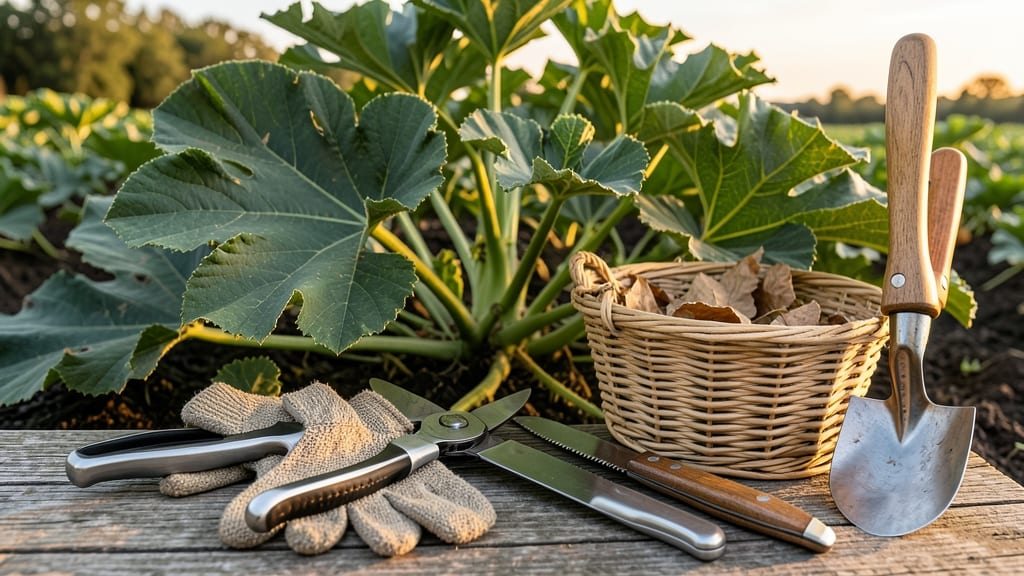
Harvesting pumpkins at the right time—when the skin hardens and vines yellow—is the key to perfectly ripe 🎃 fruit for carving or cooking.
Picture this: you’ve spent all summer tending to your pumpkin patch, only to pick a fruit that’s either rock-hard and flavorless or mushy from overripeness. Missing that narrow window means wasted effort—and nobody wants that.
The difference between a golden jack-o’-lantern and a sad, squishy mess comes down to timing, and I’ve got the exact cues to help you nail it.
From the moment those vines start dying back to the telltale skin that resists a fingernail, I’ll walk you through the visual and physical signs that scream “harvest now.”
You’ll also learn how to adjust for your climate—because late-season humidity or an early frost can throw off even the best-laid plans.
Once you’ve got that perfect pumpkin in hand, I’ll share how to cure and store it so it stays fresh for weeks. No more guessing—just confident, foolproof pumpkin harvesting, every time.

How to identify the perfect pumpkin harvest time by vines and skin
Harvesting pumpkins at the right moment ensures sweet, flavorful flesh and a sturdy rind for storage or carving. The key lies in observing vine dieback and skin hardness—two foolproof indicators that your pumpkins are ready for harvest.
Missing this window can lead to soft, seedy pumpkins that spoil quickly or rot before Halloween.
Most pumpkin varieties take 90–120 days to mature, but environmental factors like temperature and sunlight can shift this timeline. For example, cooler autumn days may slow ripening, while hot summers can speed it up. Paying attention to these visual cues trumps guessing by days alone.
Comparison Table: Pumpkin Harvest Readiness by Vines and Skin
| Sign | Not Ready (Soft/Immature) | Ready (Perfect Harvest) | Overripe (Past Prime) |
|---|---|---|---|
| Vine Condition | Green and actively growing 🟢 | Yellowing and dying back near pumpkin 🟡 | Completely brown and shriveled 🟤 |
| Skin Hardness | Soft, easily pierced with thumbnail 👆 | Hard, resists thumbnail pressure ✅ | Overly tough, cracks when pressed ❌ |
| Color Depth | Pale or patchy 🎨 | Deep, uniform (e.g., bright orange) 🎃 | Faded or dull 🌑 |
| Stem Condition | Green and flexible 🌱 | Dry, papery, and cracks easily ✂️ | Rotten or detached 💀 |
The thumbnail test is my go-to method for checking skin hardness. Press your thumbnail into the pumpkin’s skin near the stem. If it punctures easily, the pumpkin needs more time.
If your nail barely leaves a mark, it’s ready. This test works for both carving varieties (like Jack-be-littles) and pie pumpkins (like Sugar Pie).
Watch the stem drying as a secondary signal. When the stem near the pumpkin turns brown and papery, it’s a clear sign the fruit is nearing maturity. If you harvest too soon, the stem may still be green and flexible, indicating the pumpkin isn’t fully ripe.
Conversely, if the stem rots or detaches, the pumpkin is past its prime.
Color changes also play a role, though they’re less reliable alone. A deep, uniform hue—like vibrant orange for most varieties—suggests ripeness. However, some heirloom pumpkins may not darken fully until fully mature. Pair color with the other cues to avoid mistakes.
Climate matters too. In cooler regions, pumpkins may ripen slower, so prioritize vine dieback over color. In hot, dry climates, skin hardening often happens faster. Always harvest before the first frost, as cold temperatures can damage pumpkins even if they’re not fully ripe.
Pro tip: Use a harvest knife with a long handle to cut pumpkins from the vine, leaving a 2-inch stem attached. This helps prevent rot during storage. After harvesting, let pumpkins cure in the sun for 7–10 days to toughen the skin further.
If you’re growing miniature pumpkins (like Jack-be-little), the same rules apply, but their smaller size means they ripen faster. Check them every 3–5 days once they’re near maturity to avoid missing the window. Overripe mini pumpkins shrivel quickly, so timing is critical.
Common mistakes that ruin pumpkin harvest timing (and how to avoid them)
Harvesting pumpkins at the wrong time is one of the most common gardening mistakes, and it can turn your hard work into a disappointing mess. Overripe pumpkins rot quickly, while underripe ones lack sweetness and texture.
Even experienced gardeners sometimes miss the window, especially when dealing with humidity fluctuations or early frost risks.
I’ve learned the hard way that waiting for the perfect moment—when the vine yellows and the rind hardens—isn’t just about patience. It’s about understanding how environmental factors like temperature, rainfall, and daylight hours influence ripening.
One year, I nearly lost my entire crop because I ignored the first frost warning for my region.
Here’s the harsh truth: Harvesting too early means soft, watery flesh that’s perfect for compost but terrible for carving or cooking. On the flip side, leaving pumpkins on the vine too long invites rot, pests, and a bitter taste.
The key is balancing these factors with visual cues and seasonal timing.
Another mistake I see often is ignoring humidity levels. High humidity slows down ripening, while dry conditions can cause the rind to harden prematurely. If your pumpkins are in a shady or damp spot, they may never reach full maturity.
I once grew pumpkins under a tree, and they stayed soft and pale—until I moved them to full sun.
Don’t rely solely on color changes either. Some varieties, like Cinderella or Jack Be Little, develop deep color even when underripe. Always combine color with the thumbnail test: press your fingernail into the rind.
If it doesn’t leave a mark, it’s ready. If it dents easily, wait a few more days.
Finally, overcrowded vines can delay ripening because pumpkins compete for nutrients. Thin your plants early to give each fruit 3–4 feet of space. I once had a patch where pumpkins were packed too closely, and only the largest ones ripened—while the smaller ones stayed green and shriveled.
By avoiding these mistakes—watching for frost, testing rind hardness, and giving pumpkins space—you’ll harvest pumpkins at their peak: firm, flavorful, and ready for carving, baking, or storing. The difference is night and day! 🎃