
How To
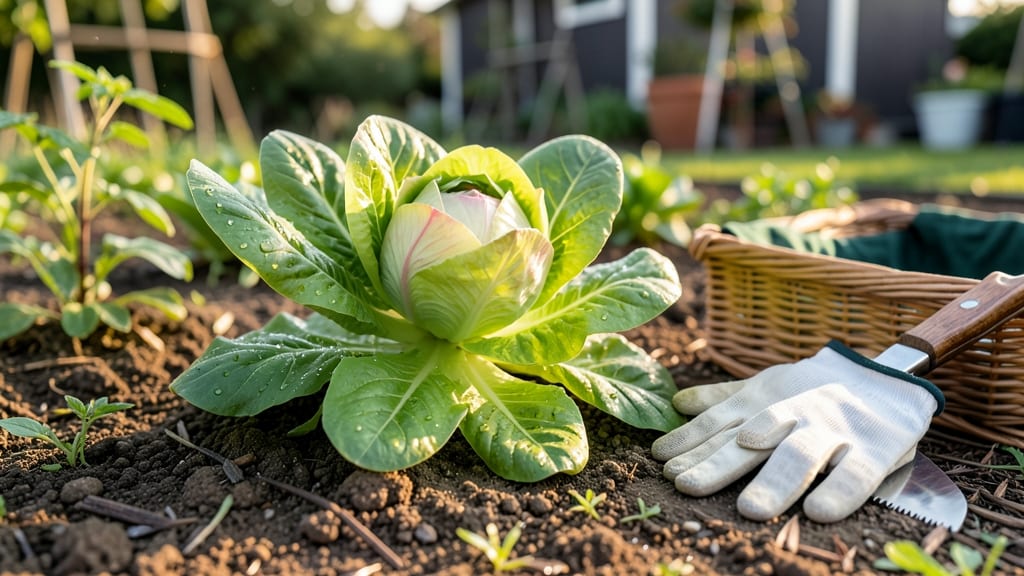
Harvesting Bibb lettuce 🥬 the right way means crisp leaves and a plant that keeps producing—no bitter disappointment or wasted effort.
Picture this: you’ve nurtured your Bibb lettuce for weeks, and now the outer leaves are curling tightly inward, signaling they’re ready. But if you cut too deep or too early, you’ll stunt regrowth and end up with a sad, stunted center.
The key? Timing, technique, and knowing exactly which leaves to snip.
In this guide, I’ll walk you through the perfect harvest window—when those leaves are just right—and show you how to cut them without damaging the core. You’ll also learn how often to harvest for maximum yield and how to store your bounty so it stays fresh longer.
Whether you’re a first-time gardener or a seasoned grower, these step-by-step tips will help you enjoy a steady supply of tender Bibb lettuce all season long.
When to harvest Bibb lettuce: the outer-leaf cup test explained
Harvesting Bibb lettuce at the right time ensures tender, flavorful leaves while keeping your plant healthy. The outer-leaf cup test is my go-to method—when the outer leaves curl tightly like a cup, it’s time to harvest. This simple trick helps avoid bitter or tough leaves that ruin salads.
Look for leaves that are 4-6 inches long with a deep green color and crisp texture. The stem should separate easily when gently tugged, signaling maturity. Ignoring these signs often leads to overgrowth, causing the center to bolt or develop tough, fibrous leaves.
Bibb lettuce thrives in partial shade (4-6 hours of sun daily), but too much heat speeds up maturity. If your plants are in hotter climates (USDA Zone 7+), harvest sooner to prevent bolting. Always check the outer leaves first—they’re the best indicator of readiness.
Here’s a quick reference to avoid common mistakes:
| Sign | What It Means | Action |
|---|---|---|
| Outer leaves curl tightly | Perfect harvest window | Harvest outer leaves |
| Leaves <4 inches long | Immature, tender | Wait 7-10 days |
| Pale or yellowing leaves | Nutrient deficiency | Add compost; avoid harvest |
| Bitter taste | Overmature or stressed | Harvest immediately |
| Stem separates easily | Ready for harvest | Cut or twist gently |
The outer-leaf cup test works best when combined with leaf size and color checks. For example, a 6-inch leaf with deep green veins is ideal, while a yellowing edge means it’s past its prime. Always prioritize harvesting the outermost leaves first to protect the plant’s core.
If your Bibb lettuce is in a container garden, monitor growth closely—container plants mature faster due to limited root space. In these cases, harvest when leaves reach 3-4 inches to prevent overcrowding. Overcrowded plants develop smaller, tougher leaves and may bolt prematurely.
Another key sign of readiness is the aroma at the stem. A sweet, fresh scent confirms maturity, while a musty or sour smell signals overripeness. This sensory cue is especially useful in shady growing conditions, where visual cues like leaf color may be less reliable.
Common mistakes like harvesting too late or cutting into the center can stunt regrowth. Always use a clean, sharp knife or scissors to make precise cuts just above the next set of leaves. This encourages the plant to produce more tender growth for future harvests.
For continuous harvests, aim to remove 1/3 of the outer leaves every 7-10 days. This balance keeps the plant productive without stressing it. In cooler climates (USDA Zone 5 or below), extend harvests by protecting plants with row covers to slow maturity.
Store harvested Bibb lettuce in the crisper drawer of your fridge wrapped in a damp paper towel to maintain crispness. For long-term storage, consider blanching and freezing the leaves—this preserves texture and flavor for up to 8 months. Always wash leaves just before eating to avoid sogginess.
Step-by-Step harvesting technique for Bibb lettuce regrowth
Harvesting Bibb lettuce the right way ensures you get crisp, flavorful leaves while keeping your plant healthy and productive. The key is to cut only the outer leaves—never the center—so the plant can regrow.
I’ve learned that even a small mistake, like cutting too deep, can damage the growth point and stunt future harvests. Let’s dive into the exact steps to harvest like a pro.
Before you grab your shears, gather your tools: a sharp pair of scissors or pruning shears (never dull knives—they crush leaves), a clean bowl or basket for storage, and a small spray bottle for post-harvest watering.
Avoid harvesting on hot, sunny days, as the leaves can wilt quickly. Early morning is the best time for a fresh, crisp harvest.
- 🌱 Step 1: Identify Mature Leaves
Look for outer leaves that are 4-6 inches long, deep green, and fully formed. These leaves should be crisp to the touch and slightly curled at the edges. - 🌿 Step 2: Choose the Right Cutting Angle
Hold the leaf gently and make a 45-degree angle cut about 1 inch from the base. Avoid cutting into the inner rosette—this is where new growth emerges. - ✂️ Step 3: Use Sharp Tools Only
Use clean scissors or pruning shears to make a precise cut. Dull tools crush the stem, leading to bolting or disease. Sterilize your tools with rubbing alcohol between plants. - 💧 Step 4: Post-Harvest Watering
After harvesting, water the base of the plant to replenish moisture. This encourages new leaf growth and prevents stress. Avoid wetting the leaves to reduce fungal risks. - 🌱 Step 5: Store Harvested Leaves Properly
Place harvested leaves in a perforated plastic bag or damp paper towel in the fridge. This keeps them crisp for up to 5 days. For longer storage, blanch and freeze.
One common mistake I see is cutting too many leaves at once, which can shock the plant. Instead, harvest no more than 1/3 of the plant in a single session.
This balance ensures your Bibb lettuce keeps producing tender leaves for weeks. If you notice the inner leaves yellowing after harvesting, it’s a sign you’ve cut too aggressively.
After harvesting, monitor your plant closely. If the center looks bare or the remaining leaves wilt, your plant may need a light fertilizer (like a balanced 5-10-10) to bounce back. Keep the soil consistently moist but not soggy, and provide partial shade if your climate is hot.
With proper care, your Bibb lettuce will reward you with multiple harvests all season.
Pro tip: If your Bibb lettuce starts to bolt or flower, it’s past its prime for harvesting. This usually happens in hot weather or if the plant is stressed.
To prevent bolting, keep the soil cool, mulch around the base, and harvest regularly. A happy plant means more delicious lettuce for you!