
How To
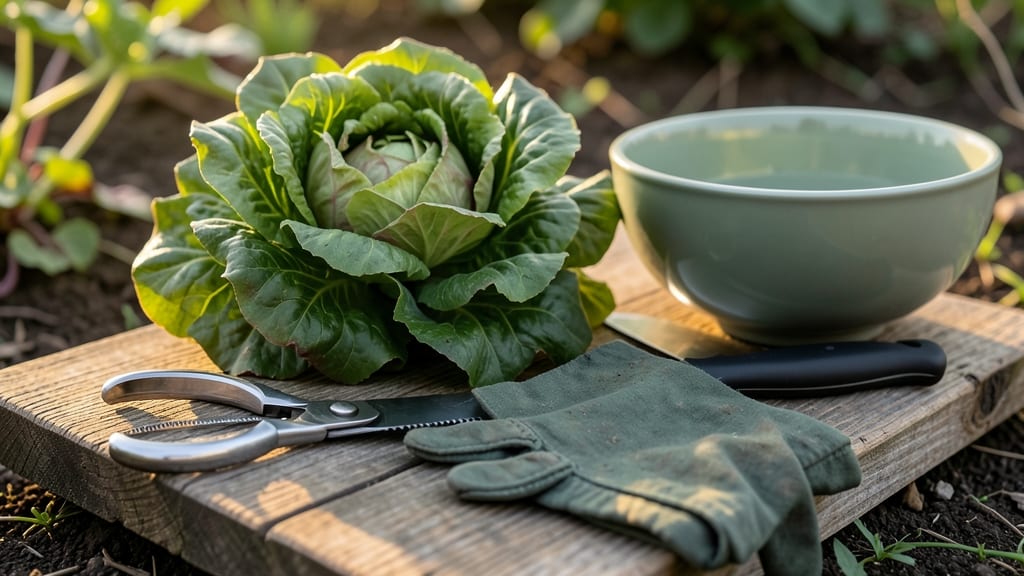
Harvesting leaf lettuce 🥬 at the right time means crisp, tender greens packed with flavor—skip this window, and you’ll end up with tough, bitter stalks instead.
Picture this: you’ve nurtured your lettuce for weeks, only to pull a leaf and find it tough as a shoe. That’s the cost of waiting too long. The secret? Harvest outer leaves when they hit 4 inches tall, before they bolt or turn woody.
This isn’t just about timing—it’s about technique too. Cutting leaves at the base (not ripping) keeps your plants happy and encourages continuous regrowth, so you can enjoy fresh salads for weeks. Plus, you’ll avoid the 5 biggest mistakes that turn good harvests into wasted effort.
Ready to master it? I’ll walk you through the exact steps—when to cut, how to store your harvest, and even how to stretch your lettuce season by 30-50% with smart planting tricks.
When and how to harvest leaf lettuce at 4-Inch height for peak flavor
Harvesting your leaf lettuce at the perfect 4-inch height ensures the most tender, flavorful leaves while preventing bolting. When leaves reach this size, they're fully mature but still crisp—ideal for salads, sandwiches, or cooking. Waiting longer risks bitter, tough leaves that lose their delicate texture.
Timing matters just as much as technique. Harvest on cool, cloudy days to preserve moisture and crispness. Early morning harvests work best because leaves are hydrated from overnight dew. Avoid harvesting during hot afternoons or after heavy rain, which can stress the plant and lead to wilting.
Step-by-Step Guide to Harvesting Leaf Lettuce
- 🌱 Inspect leaves daily once they reach 3-4 inches—harvest when outer leaves hit 4 inches.
- ✂️ Use sharp scissors or pruning shears (cleaned with rubbing alcohol) to cut leaves 1/4 inch above the base.
- 🌿 Start with outer leaves to avoid damaging the inner growth point—this encourages continuous regrowth.
- 💧 Water thoroughly after harvesting to support new leaf production and prevent stress.
- 🌡️ Store harvested leaves in a plastic bag with a paper towel in the fridge for up to 5-7 days.
For cut-and-come-again varieties, like Buttercrunch or Romaine, you can harvest multiple times per plant. Simply trim the outer leaves, leaving the inner leaves intact to keep producing. This method extends your harvest season by 3-4 weeks compared to harvesting the whole head.
If you're growing loose-leaf varieties like Black Seeded Simpson or Oakleaf, pluck individual leaves as they reach 4 inches. This avoids overcrowding and allows even sunlight exposure for remaining leaves. Always leave at least 2-3 inches of growth on the plant to maintain vigor.
Never harvest more than 1/3 of the plant at once, or you risk stunting growth. Over-harvesting forces the plant to divert energy to seed production instead of leaf growth, leading to bolting—a process where the lettuce sends up a flower stalk and becomes bitter.
Use these harvesting tools for best results: clean pruners, sharp kitchen scissors, or even your fingers for delicate varieties. Avoid tearing leaves, as jagged edges bruise quickly and spoil faster. For large batches, a harvest basket with a lid keeps leaves protected from sunlight and pests.
After harvesting, rinse leaves briefly in cool water to remove dirt, then pat dry gently with a clean towel. Store in the crisper drawer of your fridge, where the high humidity preserves crispness.
For longer storage, wrap leaves in a damp paper towel before sealing in a bag to maintain freshness.
Pro tip: Rotate your harvests around the plant to ensure even growth. If you always harvest from one side, that area will produce more aggressively, leaving the other side sparse. A balanced approach keeps your lettuce bushy and productive all season.
🥬 With the right timing and technique, you'll enjoy a steady supply of fresh, flavorful leaf lettuce for months—no bitter surprises here!
5 Common mistakes that ruin your leaf lettuce harvest (and how to avoid them)
Even experienced gardeners can accidentally sabotage their leaf lettuce harvests with simple oversights. One wrong move can turn your crisp, tender greens into bitter, tough stalks—or worse, invite pests that wipe out your entire crop.
Let me show you the 5 biggest mistakes and how to fix them before they ruin your garden.
First, let's tackle the most destructive habit: over-harvesting. Many gardeners get excited and trim too much at once, leaving the plant stressed and vulnerable. When you remove more than one-third of the outer leaves in a single session, you shock the plant's growth cycle and delay regrowth for weeks.
Another critical error is using the wrong cutting techniques. Snipping leaves too close to the base or yanking them out by hand can damage the crown, inviting rot or pests.
Always use clean, sharp scissors or pruners and cut just above the next set of leaves to encourage bushier regrowth.
⚠️ callout-warning
These 5 mistakes can destroy your lettuce harvest:
- 1. Over-harvesting → Stunts regrowth
- 2. Wrong cutting → Damages crown
- 3. Ignoring pests → Wipes out plants
- 4. Harvesting at wrong temps → Bitter flavor
- 5. Neglecting regrowth → Stops production
Fix these now to keep your lettuce producing tender leaves all season!
Many gardeners also make the costly mistake of ignoring early pest signs. Tiny holes in leaves or yellowing edges often mean aphids or slugs are already feasting.
I recommend checking plants every 2-3 days during harvest season—remove pests by hand or use neem oil spray to protect your crop before it's too late.
Harvesting at the wrong temperature extremes is another silent killer. Lettuce tastes best when harvested during cool morning hours (50-75°F). Hot midday sun causes leaves to wilt or develop bitter flavors, while cold evening harvests can shock the plant and slow regrowth.
Finally, neglecting regrowth conditions after harvest is the last mistake that keeps many gardeners from continuous yields. Always return to watering consistently (1 inch per week) and fertilizing lightly with high-nitrogen compost after each harvest to encourage new leaf production.
By avoiding these common pitfalls, your leaf lettuce will stay productive for months—giving you fresh, tender greens straight from your garden all season long! 🥬