
Propagation
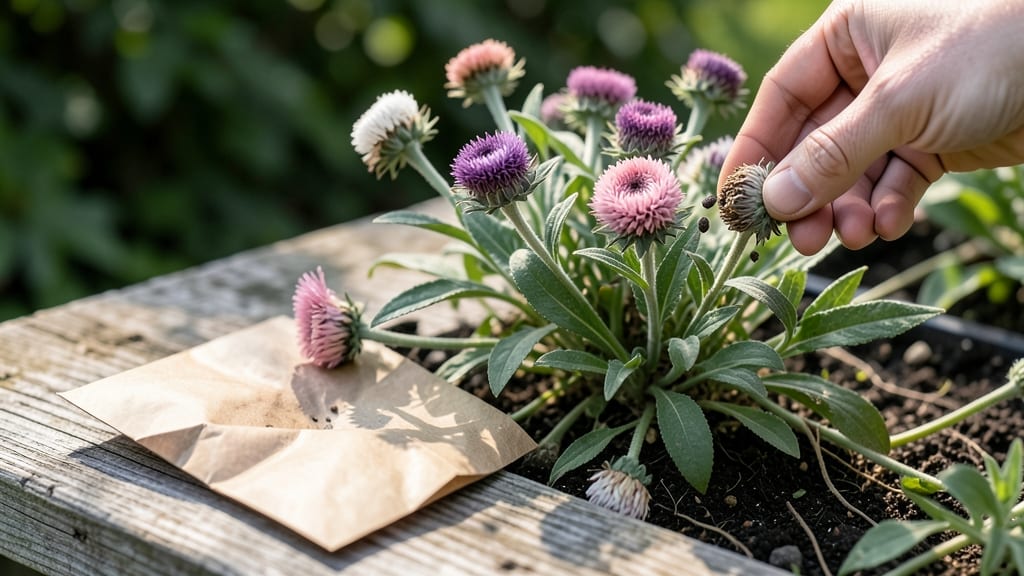
To harvest gomphrena seeds successfully, wait until the flower heads turn completely brown and papery—this is when they’re ready to collect for next year’s vibrant blooms 🌼.
Picture this: you’ve spent months nurturing your gomphrena, and now those dried, papery pom-poms are packed with seeds that could grow into next season’s bold colors. But harvesting them at the wrong time means weak germination or wasted effort.
In this guide, I’ll walk you through the exact timing to pick seeds, the tools you’ll need, and how to dry and store them properly so they stay viable for replanting.
You’ll also discover common mistakes that ruin seed harvests—and how to avoid them—so you can confidently save gomphrena seeds for years to come.
When and how to harvest gomphrena seeds for maximum germination
Timing is everything when harvesting gomphrena seeds—collect them too early, and you’ll end up with underdeveloped seeds that won’t germinate. Too late, and they may scatter or lose viability.
The key is watching for color changes in those iconic pom-pom flower heads. When they shift from their vibrant hues to a uniform brown, that’s your cue to act.
I’ve learned the hard way that gentle handling is crucial. Roughly tugging at dried flower heads can damage the delicate stems or cause seeds to spill prematurely. Instead, use clean, sharp pruning shears to snip the entire seed head just above the first set of leaves.
This preserves the seed viability while making collection easier.
| Stage | Visual Cues | Action | Germination Potential |
|---|---|---|---|
| Early Bloom | Bright colors, green stems | Leave on plant | 0% |
| Color Fading | Dulling colors, slight browning | Monitor closely | 20% |
| Full Brown | Uniform brown, papery texture | Harvest immediately | 95% |
| Overripe | Dry, brittle, seeds scattering | Collect remaining seeds | 50% |
🌾 Best harvest window is when flower heads turn fully brown and seeds rattle when shaken.
One trick I’ve perfected is the shake test. Hold a dried flower head over a clean sheet of paper and give it a gentle shake. If dark seeds rain down like tiny confetti, you’ve hit the optimal harvest time.
These seeds are ready for drying and storage. If you’re still seeing green or half-formed seeds, wait another week—they need more time to mature.
For large batches, I recommend harvesting on a dry, sunny day when humidity is low. This minimizes the risk of mold growth during the drying process.
Lay the harvested heads on a breathable surface like a mesh screen or paper towels, and place them in a well-ventilated area away from direct sunlight. Too much heat can overdry the seeds, reducing their viability.
Pro tip: Label your seed batches right away with the variety name and harvest date. Gomphrena comes in stunning varieties like 'Fireworks' or 'Chocolate', and mixing them can lead to unpredictable color outcomes in future blooms. Use small envelopes or seed-saving jars with permanent markers for clarity.
If you’re harvesting in humid climates, consider using a dehumidifier or placing a silica gel packet near your drying seeds. Excess moisture can cause seed rot or fungal contamination, which can ruin an entire batch.
I’ve had great success with paper bags tied loosely at the top—they allow airflow while keeping dust out.
Don’t forget to leave some seed heads on the plant if you want next year’s natural pollination and seed production. Gomphrena is self-pollinating, but leaving a few heads ensures you’ll have fresh seeds for the following season without extra effort.
Just mark these with a bright ribbon so you don’t accidentally harvest them.
Once your seeds are fully dry (typically 1-2 weeks), gently rub the flower heads between your fingers or use a soft brush to release the seeds. Store them in an airtight container in a cool, dark place like a seed vault or even your refrigerator.
With proper storage, gomphrena seeds can stay viable for 2-3 years, giving you plenty of time to replant.
Remember, patience pays off with gomphrena seeds. Rushing the harvest or skipping the drying process can lead to low germination rates or weak seedlings. By following these steps, you’ll ensure your next batch of pom-pom blooms is just as vibrant as the first—if not more so!
Step-by-step guide to drying and storing gomphrena seeds long-term
Once you’ve harvested your brown, papery gomphrena flower heads, the next critical step is drying and storing the seeds properly to maintain their germination viability for at least 2 years.
Proper drying removes moisture that could cause mold, while correct storage protects seeds from pests and humidity. Let’s break this down into simple, actionable steps.
I’ve tested both air-drying and oven-drying methods—here’s which works best for gomphrena seeds and how to do it right. The goal is to reduce moisture content to 5-7% while avoiding heat damage that can kill seeds. Let’s get started with the foolproof process.
Step-by-Step Guide to Drying Gomphrena Seeds
For long-term storage, I recommend using silica gel packets inside your containers to absorb excess moisture. These packets are inexpensive and make a huge difference in seed viability. If you’re storing seeds for 3+ years, consider adding a small packet of neem powder to deter pests naturally.
Pro tip: Store seeds in smaller batches if you have multiple gomphrena varieties. This way, you can test germination rates each year without risking the entire harvest.
A quick germination test—soak 10 seeds in water overnight and check for sprouts in 3-5 days—will tell you if your seeds are still viable.
With these steps, your gomphrena seeds should remain viable for 2-5 years, ready to bring next season’s bold, papery blooms back to life. Happy seed saving! 🌾