
Picking
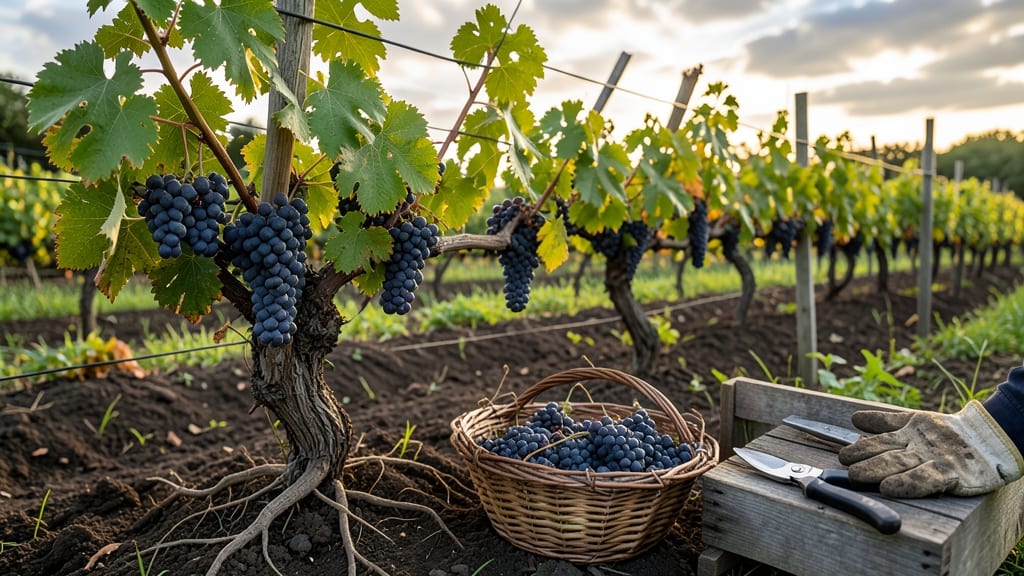
Timing the harvest for grapes 🍇 is everything—picking too early means tart, underripe fruit, while waiting too long can turn sweetness into mush.
Knowing the exact moment to harvest grapes can mean the difference between rich, flavorful wine or tart, underripe fruit—here’s how to master the art of grape ripeness testing.
Most grapes ripen between August and October in Zone 6a, but the real secret lies in three simple tests: checking sugar levels, seed color, and flavor balance.
Below, I’ll walk you through each method so you can pick your grapes at their peak—no guesswork required.

3 Essential ripeness tests for grapes before harvesting
Harvesting grapes at the perfect moment ensures maximum flavor, sweetness, and quality—whether you're growing table grapes for fresh eating, wine grapes for fermentation, or raisin grapes for drying. But how do you know when they're truly ripe?
The answer lies in three science-backed ripeness tests: Brix sugar levels, seed color changes, and acidity balance. These methods take the guesswork out of harvest timing and help you avoid underripe or overripe fruit.
Many gardeners rely on color alone to judge grape ripeness, but this method can be misleading—especially in cloudy climates or for varieties with muted hues. For example, Concord grapes might look dark but still taste tart if harvested too early.
By combining these three tests, you’ll get a precise reading that aligns with the grape’s intended use. Let’s dive into each method so you can confidently pick your grapes at their peak.
📊 Here’s a quick reference table to compare the ideal ripeness indicators for different grape types:
The first test focuses on Brix sugar levels, which measure the grape’s sugar content using a refractometer. This handheld tool gives you a precise reading of soluble solids, including sugars, and is the gold standard for determining ripeness.
For table grapes, aim for 18-22 Brix, while wine grapes typically need 22-26 Brix for optimal fermentation. Raisin grapes, however, should reach 24-30 Brix to concentrate sugars during drying.
Next, check the seed color inside the grape. When fully ripe, the seeds will turn from green or white to brown or black, depending on the variety. This change indicates the grape’s starches have converted to sugars, a key sign of ripeness.
For example, Thompson Seedless grapes (common for raisins) will have deep brown seeds at peak ripeness, while Cabernet Sauvignon seeds will darken to almost black. If the seeds are still light-colored, wait a few more days before harvesting.
Finally, assess the grape’s acidity balance. Overripe grapes lose their crisp, refreshing acidity, becoming mushy or overly sweet. To test acidity, take a small bite or squeeze the grape—it should taste bright and balanced, not flat or overly tart.
For wine grapes, a slight acidity is desirable, while table grapes should be refreshingly tart-sweet. If the grape tastes dull or overly sweet, it may be past its prime.
Timing your harvest correctly also depends on your climate zone. In warmer regions, grapes may ripen faster and require earlier harvesting, while cooler climates might extend the ripening process. For instance, California vineyards often harvest in late summer, whereas Pacific Northwest growers might wait until early fall.
Pay attention to your local first frost dates—grapes left on the vine too long risk damage from cold weather.
Pro tip: Combine these tests with a simple taste test from a few grapes. If they pass all three ripeness indicators—high Brix, dark seeds, and balanced acidity—you’re ready to harvest. For large vineyards, test multiple clusters to account for variability in ripeness across the plant.
And remember, morning harvests are ideal because grapes are cooler and more flavorful after a night’s rest.
One common mistake is relying solely on grape color as the only indicator. Some varieties, like Muscadine grapes, develop a deep purple hue even when underripe. Always cross-reference color with the other two tests to avoid disappointment.
For example, a red grape might look ready but taste sour if the Brix level is below 18. By mastering these three ripeness tests, you’ll consistently harvest grapes at their absolute best.
Now that you’re equipped with these science-backed methods, you can confidently determine the perfect harvest time for grapes—whether you’re growing a backyard vineyard or a commercial plot. The key is patience and attention to detail, but the
How to check grape sugar content (Brix test) like a pro
The Brix test is the gold standard for determining grape ripeness. It measures the sugar content in grapes, which directly correlates with sweetness and flavor. A refractometer—your new best friend—makes this test quick and accurate.
For most table grapes, aim for a Brix reading between 16-22, while wine grapes often need 20-26 Brix for optimal fermentation.
Climate plays a huge role here. In hotter regions, grapes may ripen faster, so monitor sugar levels more frequently. Conversely, cooler climates can slow sugar development, requiring patience. Always test multiple clusters to account for variability within the vineyard or garden.
For wine grapes, higher Brix readings (like 24+) are ideal, but balance is key. Overripe grapes can develop unpleasant flavors like foxiness. Always cross-check with taste tests—your palate is the final judge.
Pro tip: Test grapes every 3-5 days as harvest approaches. Early morning is best—grapes are cooler and more accurate. Store your refractometer in a dry, shaded place to prolong its life.
If your Brix readings are too low, consider thinning leaves on the sun-facing side to increase exposure. For overripe grapes, harvest immediately to avoid sugar conversion to alcohol or bird damage.