
How To
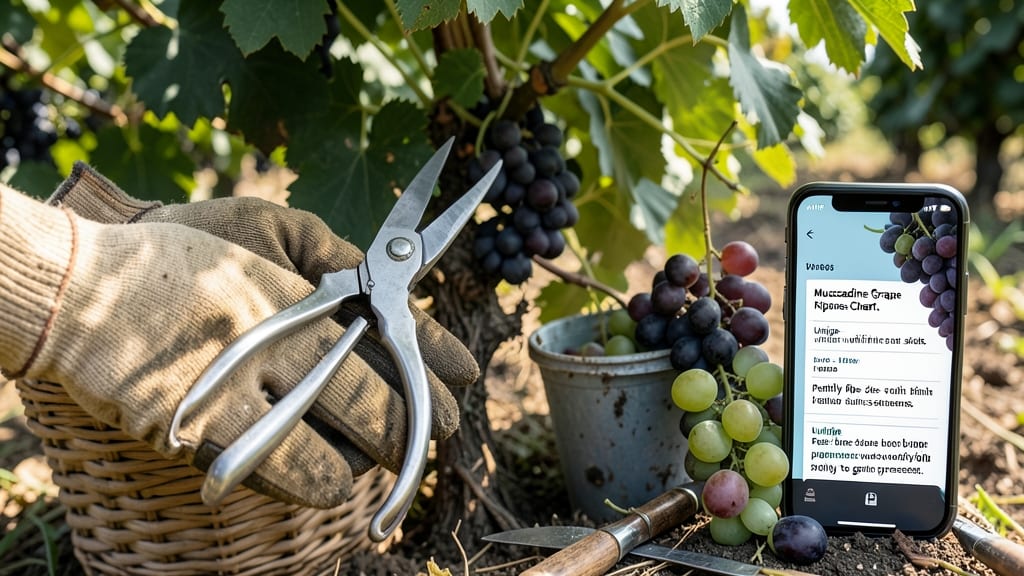
Harvesting muscadine grapes at the right time means the difference between tart, underripe fruit and bursting, sweet perfection—and it all comes down to berry size, seed color, and a few simple tricks.
Picture this: You’ve waited months for those deep purple clusters to ripen, only to bite into a grape that’s still sour or mealy. That’s the frustration of guessing instead of knowing. The secret? A two-step test—berry size and seed color—that takes just 30 seconds but guarantees the best flavor.
Muscadine grapes 🍇 thrive in USDA Zones 7-10, but even within that range, heat waves and rainfall can shift ripening by weeks.
Below, I’ll walk you through the exact visual cues to watch for, how to adjust for your local climate, and why some varieties (like Scuppernong) need a little extra patience.
By the end, you’ll harvest grapes so sweet they’ll have your neighbors asking for cuttings—and no more second-guessing when to pull the shears.
Muscadine grape harvest timing: berry size guide by variety
Harvesting muscadine grapes at the perfect moment means the difference between tart, underripe berries and bursting sweetness that rivals commercial varieties. Unlike table grapes, muscadines rely on berry size and seed color—not just color—to signal readiness.
Each variety matures slightly differently, so knowing your specific muscadine type is key to timing your harvest right.
For example, the iconic Scuppernong grapes—native to the Southeast—typically reach harvest size between 1.25 to 1.75 inches in diameter, while Carlos and Fry varieties often mature slightly smaller, around 1 to 1.5 inches.
But size alone isn’t enough: the firmness of the berry and the color of the seeds inside are equally critical clues to peak ripeness.
Regional climate plays a huge role too. In warmer southern zones (8-10), grapes may ripen 2-3 weeks earlier than in cooler northern zones (7). A late summer heatwave can also accelerate ripening, so monitor your vines closely during peak growing months (August-September).
The goal is to pick when the berry’s sugar content peaks but before birds and pests get to them first!
Here’s how to match berry size to variety—and when to act:
| Variety | Mature Berry Size (Diameter) | Seed Color at Harvest | Harvest Window (USDA Zones 7-10) | Firmness Test |
|---|---|---|---|---|
| Scuppernong | 1.25–1.75 inches | Black | Late August–September | Yields slightly to pressure |
| Carlos | 1.0–1.5 inches | Black | Mid-August–Early September | Firm but not hard |
| Fry | 1.1–1.6 inches | Black | Late August–Early October | Skin resists bruising |
| Doreen | 1.5–2.0 inches | Black | Early September–October | Plumps when ripe |
| Magnolia | 0.8–1.2 inches | Brown | Mid-September–October | Softens noticeably |
Notice how seed color is a universal cue across varieties—black seeds mean the grape is ready to eat, while brown seeds (like in Magnolia) signal full ripeness too. This is your non-negotiable backup test when berry size feels borderline.
Pro tip: Slice a grape open and check the seeds if you’re unsure. If they’re not fully black or brown, wait 3-5 days before harvesting again.
Berry firmness is another game-changer. A ripe muscadine should yield slightly when you press it gently with your thumb—like a ripe peach—but not feel mushy. Overripe grapes bruise easily and lose their tart-sweet balance.
If you’re harvesting for jams or juices, you can afford to pick slightly underripe berries, but for fresh eating, aim for that perfect sweet-tart harmony.
Regional differences can shift your harvest window by weeks. In Zone 7 (e.g., Virginia, Tennessee), grapes may not ripen until late September or October, while in Zone 10 (e.g., Florida, Texas), you might harvest as early as mid-August.
Pay attention to your local first frost date too—muscadines are frost-sensitive, so plan to harvest before temperatures drop below 40°F.
One final trick: Taste test a few grapes from different clusters. If the flavor is consistently sweet with just a hint of tartness, it’s time to harvest. If they’re still sour or mealy, wait another week.
The seed color test: how to check ripeness without tasting
One of the most reliable ways to determine when muscadine grapes are ready for harvest is the seed color test. Unlike table grapes, muscadines have large, easy-to-spot seeds that change color as the fruit ripens.
This simple trick lets you skip the guesswork and pick grapes at their peak sweetness without tasting.
The test works by examining the color of the seeds inside a grape. For muscadines, fully ripe seeds turn deep black, while underripe seeds remain brown or tan.
This color shift happens just before the grapes reach their sweetest flavor, making it a foolproof indicator when combined with berry size.
Here’s the catch: You’ll need to cut open 2-3 grapes from different clusters to confirm ripeness. Why? Because heat waves or uneven sunlight can cause some berries to ripen faster than others. Always test multiple samples for accuracy.
⚠️ callout warning
- Testing only one grape – Can lead to false results if that berry is overripe or underripe.
- Ignoring berry size – Even with black seeds, small grapes may lack full flavor.
- Harvesting too late – Overripe muscadines split easily and attract pests.
Pro Tip: Combine the seed test with the gentle squeeze method—ripe grapes yield slightly when pressed but don’t bruise.
To perform the test, gently squeeze a grape until it splits open. Look at the seed’s center—if it’s black with no brown specks, your grapes are ready.
If seeds are still brown, wait 3-5 more days and retest. This method works best in the morning when grapes are coolest and firmest.
For varieties like Scuppernong or Carlos, black seeds often appear when berries reach 1.5–2 inches in diameter. Smaller varieties like Fry may have black seeds at 1–1.5 inches. Always cross-reference seed color with size to avoid harvesting too early or too late.
Once you’ve confirmed ripeness with the seed test, harvest on a cool, dry morning to preserve flavor and texture. Store grapes in a single layer in the fridge for up to 2 weeks, or freeze them for longer storage.
The seed color test isn’t just a trick—it’s your ticket to consistently perfect muscadine grapes, year after year.