
Picking
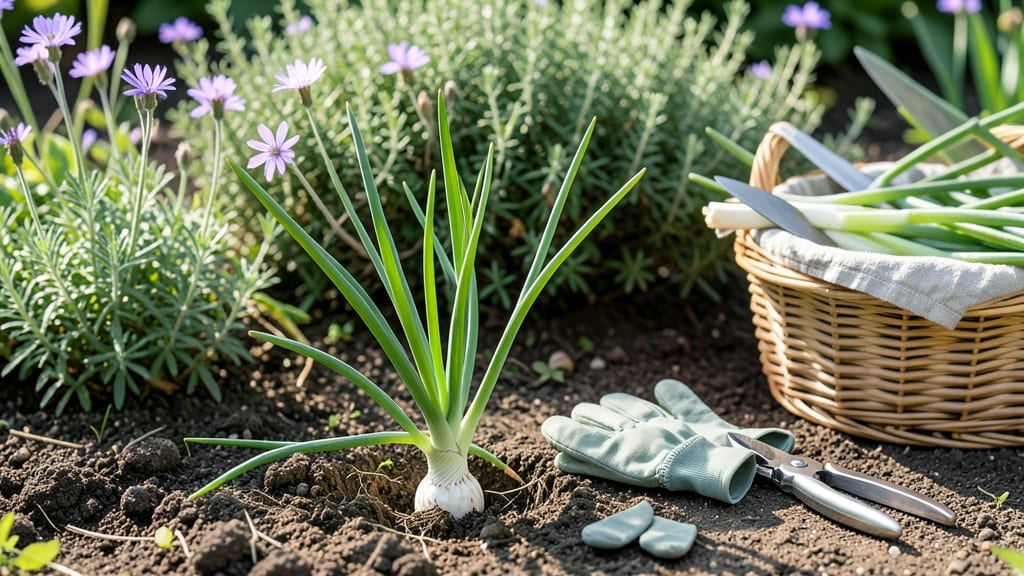
Harvesting green onions at the right time ensures tender, crisp stems that snap cleanly—no more tough, bitter surprises in your cooking.
Picture this: you’re prepping dinner, and your green onions 🌱 just won’t break right. That’s the sign you missed the perfect harvest window. The good news? It’s easier than you think to time it right, and I’ll show you exactly how.
Whether you’re growing them in spring or fall, the key is watching for 6-8 inch stems with dark green leaves and a firm bulb. Cut them just above the soil, and you’ll get regrowth for weeks—no need to replant!
Below, I’ll walk you through the snap test, seasonal timing tips, and how to store your harvest so it stays fresh longer. Let’s get those green onions at their peak!


How to test green onion harvest time using the snap method
Green onions are one of the fastest-growing vegetables in my garden, and knowing when to harvest them makes all the difference. The snap method is my go-to trick for determining peak harvest time.
This simple test tells me whether the stems are tender enough for cutting or still need time to mature. The key is checking both visual cues and tactile feedback—two factors that often get overlooked.
When I first planted my green onions, I waited too long before harvesting, and the stems became tough and bitter. That’s when I learned about the snap test—a foolproof way to gauge readiness. The method involves gently bending the stems to see if they break cleanly or resist.
This tactile feedback combined with leaf color and stem thickness gives me a clear signal that it’s time to harvest.
Here’s how I test green onions for harvest readiness using the snap method:
-
Step 1: Check Leaf Color
Look for dark green leaves that are upright and crisp. Avoid harvesting if leaves are pale or yellowish (🟡), as this indicates stress or poor growth. -
Step 2: Measure Stem Thickness
The stems should be about 1/8 to 1/4 inch thick at the base. Thinner stems are best for early scallions, while thicker stems indicate full maturity. -
Step 3: Perform the Snap Test
Gently grasp a green onion stem near the base and bend it sideways. If it snaps cleanly with a slight resistance, it’s ready. If it bends without breaking (🌱), wait 2-3 more days. -
Step 4: Inspect the Bulb
Lift the plant slightly to check the bulb base. It should be firm and white (⚪), not soft or mushy. A firm bulb means the onion is ready for harvest. -
Step 5: Test Regrowth Potential
If you plan to harvest repeatedly, leave 1-2 inches of stem after cutting. If new leaves sprout within a week (🌿), your plant is healthy and can be harvested again.
One common mistake I made early on was harvesting green onions based solely on height. While a 6-8 inch height is a good general rule, the snap test provides a more accurate gauge.
For example, a green onion might reach 6 inches but still feel rubbery—this means it needs more time to develop tenderness.
I also learned that morning harvests yield the best results. The stems are crispest after a night’s rest, and the leaves are less likely to wilt. If you harvest in the afternoon, the onions may feel slightly limp until they’ve had time to recover overnight.
For continuous harvests, I space my cuts every 2-3 weeks during the growing season. This method ensures I always have fresh green onions on hand while allowing the plant to regenerate. Just remember: never cut more than ⅔ of the plant at once, or you risk stunting future growth.
If your green onions start to bolt (sprout flowers), it’s a sign they’re past their prime. Bolting usually happens in hot weather or if the plant is stressed. To prevent this, I always harvest before flowering begins and keep the soil consistently moist but well-drained.
Pro tip: Store harvested green onions in a glass of water in the fridge to extend their freshness. This mimics their natural growing conditions and keeps them crisp for up to 2 weeks. It’s a simple trick that saves money and reduces waste!
By mastering the snap method, I’ve transformed my green onion harvests from hit-or-miss to consistently delicious. Now, I can confidently pull stems at their peak tenderness, knowing exactly when they’re ready to add flavor to my favorite dishes.
Best green onion harvest times by growth stage for maximum flavor
Green onions offer three distinct harvest stages, each with unique flavor profiles and uses. Understanding these stages helps you maximize yield and flavor. The early scallion stage delivers delicate, mild greens perfect for garnishes, while mature green onions provide robust flavor ideal for cooking.
Don’t forget the regrowth cycle, which can extend your harvest for weeks!
Timing matters most: harvest early scallions when leaves reach 3-4 inches tall, typically 30-40 days after planting. This stage focuses on tender leaves with minimal bulb development. For mature green onions, wait until stems reach 6-8 inches and snap cleanly just above the soil.
The regrowth cycle begins when you leave 1-2 inches of stem after cutting—new growth emerges within 2-3 weeks.
| Stage | Height | Flavor Profile | Best Use | Regrowth? |
|---|---|---|---|---|
| Early Scallions | 3-4 inches | Mild, sweet | Garnishes, salads | Yes (2-3 weeks) |
| Mature Green Onions | 6-8 inches | Bold, sharp | Cooking, stir-fries | Yes (2-3 weeks) |
| Regrowth Cycle | 3-6 inches | Balanced | All-purpose | Yes (repeat) |
For spring harvests, aim to plant in early March for early scallions by April and mature onions by May. In fall, sow seeds in August for scallions by September and mature harvests by October.
Each stage offers a different experience: early scallions taste sweeter and work best raw, while mature onions add depth to dishes when cooked.
Pro tip: Use a sharp knife to cut just above the soil line—never pull from the roots. This preserves the plant for 3-4 regrowth cycles per season. Store harvested onions in a perforated bag in the fridge for up to 2 weeks, or freeze for longer storage.
The key is consistency: check your plants every 5-7 days to catch the perfect harvest moment!
Seasonal timing also affects flavor. Spring harvests tend to be milder due to cooler temperatures, while fall-grown onions develop a slightly sharper taste. Adjust your planting schedule based on your climate zone—most gardeners in USDA Zone 6a can enjoy two full harvest cycles per year with proper planning.
Don’t let your green onions go to waste! Use early scallions in soups and salads, mature onions in stir-fries and omelets, and regrowth for everyday cooking needs. With the right timing, you’ll enjoy a steady supply of fresh, flavorful green onions all season long.