
How To
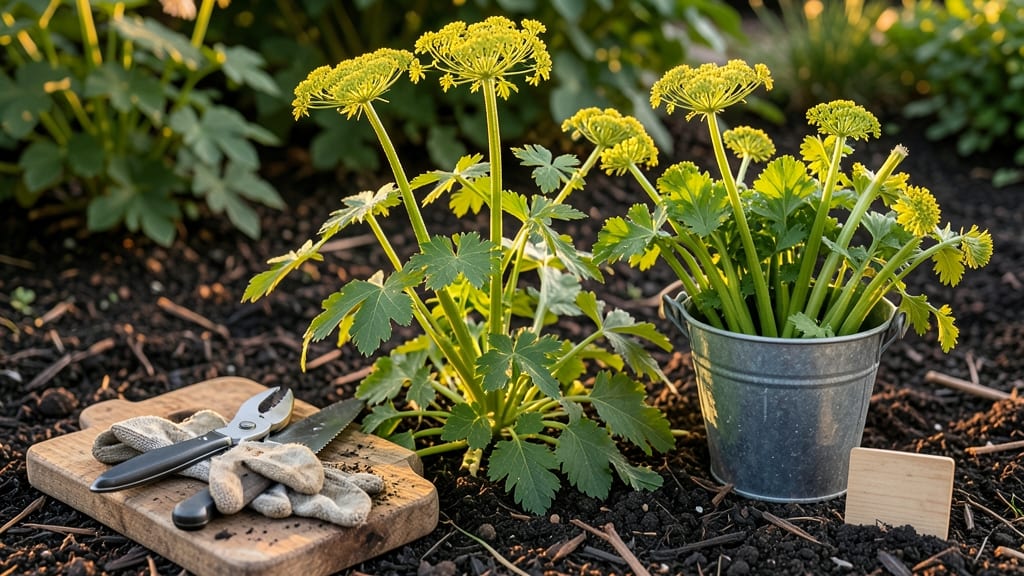
To harvest lovage at its peak flavor, wait until the stems snap cleanly when bent—usually between June and September—and the leaves are deep green and aromatic 🌿.
Picture this: you’ve nurtured your lovage all season, and now it’s time to reap the rewards—but cutting too early or too late can ruin the flavor or weaken the plant. The key is knowing when those stems are ready and how to harvest them without sacrificing next year’s growth.
Lovage’s bold, celery-like taste shines in soups, teas, and even as a garnish, but only if you time it right. A few simple steps—like using sharp shears and leaving some stems for regrowth—will keep your plant thriving while you enjoy its harvest.
In this guide, I’ll walk you through the best harvesting techniques, what to watch for, and how to store your lovage so it stays fresh and flavorful for weeks.
When to harvest lovage for peak flavor and plant health
Timing your lovage harvest is the secret to unlocking its boldest celery-like flavor while keeping your plant thriving. Unlike annual herbs, lovage is a perennial powerhouse that rewards patience—harvest too early, and you’ll miss peak potency; wait too long, and the flavor mellows.
The key lies in a simple stem snap test combined with seasonal cues that tell you when to strike.
Lovage’s ideal harvest window spans from late spring through early fall, roughly June to September in most USDA zones. This aligns with its 90- to 150-day growth cycle, but don’t rely solely on dates—your plant’s signals matter more.
Look for deep green, aromatic leaves reaching 12-18 inches long, and stems that snap cleanly when bent, not break.
| Harvest Stage | Key Indicators | Seasonal Window | Flavor Impact |
|---|---|---|---|
| Early Harvest | Leaves 6-12" long; stems bend but don’t snap | May-June | Mild, grassy notes |
| Peak Harvest | Leaves 12-18"; stems snap cleanly; strong aroma | July-August | Bold, celery-like flavor |
| Late Harvest | Leaves >18"; stems woody; aroma fades | September-October | Muted, bitter undertones |
| Over-Harvested | Stunted growth; yellowing leaves; no new shoots | Any season | Loss of plant vigor |
Harvesting lovage’s stems and leaves at the peak stage ensures maximum flavor, but timing matters for plant health too. If you harvest too aggressively in early spring, you risk stunting regrowth before the plant’s energy shifts to flowering.
Aim to remove no more than one-third of the plant’s foliage in a single session, and always leave 3-4 sturdy stems to sustain photosynthesis.
For continuous harvests, focus on the outer stems and larger leaves first—they’re the oldest and least critical for regrowth. This method mimics nature’s pruning process, encouraging new shoots to emerge from the base.
Think of it like hair trimming: regular, gentle cuts keep your lovage lush and productive for years.
Seasonal trade-offs exist: Early harvests (May-June) yield tender shoots but with milder flavor, while late harvests (September) produce woody stems. The sweet spot is July-August, when leaves are large, stems snap cleanly, and the celery-anise aroma peaks. Miss this window, and you’ll sacrifice flavor for quantity.
Watch for over-harvesting signs: yellowing leaves, sparse regrowth, or stems that don’t snap but bend weakly. These red flags mean your lovage is stressed, not just mature.
Adjust your harvesting rhythm—let the plant recover by skipping a month or reducing cuts by half. Patience here pays off in long-term productivity.
Pro tip: Harvest in the morning after dew has dried but before the sun peaks. This ensures maximum moisture content and freshest flavor. Store harvested lovage in the fridge for up to 1 week, or freeze stems in 1-inch pieces for long-term use.
Proper storage preserves that harvested flavor until your next garden session.
Remember, lovage is a low-maintenance perennial that thrives on gentle encouragement. By mastering the stem snap test and seasonal cues, you’ll enjoy year-round harvests with minimal effort—and a flavor punch that rivals fresh celery. Your garden (and taste buds) will thank you.
Step-by-step harvesting technique: stems, leaves, and roots
Harvesting lovage correctly ensures a flavorful yield while keeping your plant healthy for future harvests. The key is patience—wait until stems snap cleanly when bent, a sign they’re ready for picking. This usually happens between June and September, when the plant is mature but hasn’t yet flowered.
For leaves, focus on the younger, tender growth near the top of the plant. Mature leaves are still edible but can be tougher and less aromatic. Meanwhile, roots are best harvested in early spring or fall, when the plant is dormant but still stores energy.
How to Harvest Lovage
-
Step 1: Gather Tools
Use sharp pruning shears or a clean knife to avoid damaging stems. A bucket of water keeps harvested leaves fresh. -
Step 2: Test Stems
Bend a 2-inch stem. If it snaps cleanly, it’s ready. If it bends without breaking, wait 1-2 weeks. -
Step 3: Harvest Stems
Cut stems 3-4 inches above ground to encourage regrowth. Leave at least 3 stems per plant for future harvests. -
Step 4: Pick Leaves
Snip young leaves (6-8 inches long) for tenderness. For mature leaves, cut the outer stems to stimulate new growth. -
Step 5: Dig Roots (Optional)
Harvest roots in early spring or fall by digging 6 inches deep. Rinse and store in a cool, dark place for up to 3 months. -
Step 6: Store Properly
Wrap stems in a damp paper towel and refrigerate for up to 2 weeks. For long-term storage, freeze leaves in ice cube trays.
When harvesting, always prioritize sustainability. Never remove more than one-third of the plant at once, and avoid cutting into the main root crown. This ensures your lovage keeps producing flavorful growth for years.
Pro tip: Harvest in the morning when essential oils are most concentrated. Rinse leaves gently with cool water and pat dry to preserve their vibrant aroma and nutrients.
With these techniques, you’ll enjoy fresh lovage all season long—whether you’re blending it into soups, steeping it in teas, or using it as a fragrant garnish. Happy harvesting! 🌿