
How To
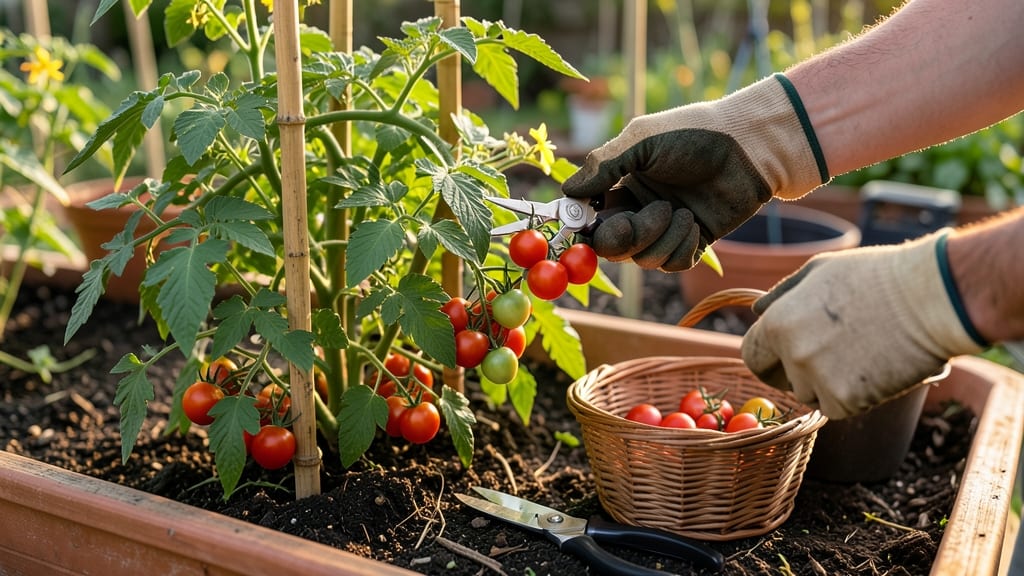
Timing your cherry tomato harvest right ensures sweet, juicy fruit and keeps your plants thriving—here’s when to pick them for peak flavor.
Picking cherry tomatoes at the perfect moment ensures the sweetest flavor and prevents your plants from becoming overburdened—but how do you know when they're truly ready? 🍅
The ideal harvest time for cherry tomatoes falls between July and September in most growing zones, but the real clues lie in the fruit itself. Look for deep, vibrant color, a slight softness when gently squeezed, and an easy twist-off from the vine.
In this guide, I’ll walk you through the 3 key signs your cherry tomatoes are ready, how to harvest without damaging the plant, and what to do if you miss the window—so you can enjoy a steady supply of homegrown goodness all season long.


3 Visual signs your cherry tomatoes are ready for harvest
Knowing exactly when to harvest cherry tomatoes can feel tricky, especially when they ripen quickly. The difference between almost ready and perfectly ripe is subtle, but these visual cues will help you pick at the ideal moment.
Waiting too long means losing flavor and risking cracked fruit, while picking too early leaves you with bland, underdeveloped tomatoes.
I’ve learned that color consistency is the first clue to watch for. Cherry tomatoes should transition fully from green to their mature hue—whether that’s deep red, golden yellow, or purple, depending on the variety.
A single green spot means they’re not quite ready, but once the entire fruit is uniformly colored, it’s a strong sign to harvest soon.
Here’s where it gets interesting: texture changes are just as important as color. A ripe cherry tomato will yield slightly when you press it gently with your thumb. Think of it like the difference between a firm apple and one that’s ready to eat—just a little give, not mushy.
This softness indicates the sugars inside have fully developed.
Finally, pay attention to how easily the tomato detaches from the vine. A ripe cherry tomato should twist off with minimal effort, almost as if it’s asking to be picked.
If you have to tug or cut it, it’s likely not ready yet. This simple test saves you from harvesting too early and ensures your tomatoes reach their peak flavor potential.
| Sign | Not Ready (Wait) | Almost Ready (Watch) | Perfectly Ripe (Pick Now!) |
|---|---|---|---|
| Color | Mostly green or patchy | 70-80% colored, some green | 100% mature color (no green) |
| Texture | Firm when pressed | Slightly firm but softening | Gives gently (like ripe fruit) |
| Detachment | Stays on vine when twisted | Resists slightly but may pull | Twists off easily with stem |
| Size | Small for variety | Near full size but firm | Full size for variety |
One common mistake I see is assuming all red cherry tomatoes are ripe. Some varieties, like yellow or orange types, might look ready when they’re still underripe. Always cross-reference color, texture, and detachment to avoid disappointment.
For example, a Sun Gold tomato should be a vibrant golden hue, not just a pale yellow.
Harvesting at the right time also prevents your plant from becoming overburdened. When tomatoes stay on the vine too long, they can crack or split, especially after heavy rain.
This not only ruins the fruit but can also stress the plant. By picking consistently, you encourage more continuous production throughout the season.
Pro tip: Morning harvests are ideal because the cool temperatures help preserve freshness. If you’re unsure whether a tomato is ready, leave it on the vine for another day. Overripe tomatoes on the plant can attract pests like fruit flies or hornworms, which will target your entire crop.
When in doubt, wait—your patience will pay off with sweeter, more flavorful tomatoes.
For container-grown plants, check for ripeness more frequently since space is limited. Overcrowded fruit can lead to stunted growth or disease due to poor air circulation. If you’re growing heirloom varieties, they often take slightly longer to ripen, so monitor them closely.
The key is to balance harvest frequency with plant health—never take more than 30% of the fruit at once.
Remember, the sweetest flavor comes from tomatoes that ripen fully on the vine. If you’re in a cooler climate, consider harvesting slightly underripe tomatoes and letting them ripen indoors. Place them in a paper bag with a banana (the ethylene gas speeds up ripening) and check them daily.
Within a few days, they’ll be ready to enjoy—just like vine-ripened perfection.
How to harvest cherry tomatoes without damaging the plant
Once you’ve spotted those perfectly ripe cherry tomatoes, the next step is harvesting them correctly to keep your plants healthy and productive. Improper picking can stress the vine, reduce future yields, and even attract pests.
The good news? With the right techniques, you can enjoy a steady harvest all season long without harming your plants.
Timing your harvest is just as important as how you pick. Morning harvests are ideal because the fruit is cooler and firmer, reducing bruising. Plus, picking in the morning allows any evening-dew moisture to evaporate, lowering the risk of fungal diseases.
If you must pick in the evening, do so at least 2-3 hours before sunset to let the plants dry out slightly.
⚠️ WARNING: Overripe Tomatoes Can Harm Your Plant!
Leaving cherry tomatoes on the vine past their prime can cause sugar buildup in the fruit, which attracts pests like fruit flies and hornworms. Overripe tomatoes also compete for nutrients with new blossoms, reducing next year’s harvest.
Pick regularly—every 2-3 days during peak season—to keep your plant balanced and productive.
Now for the technique: never pull or yank tomatoes from the vine—that can damage the stem and leave the plant vulnerable to disease. Instead, use a gentle twisting motion near the base of the fruit.
Hold the tomato firmly between your thumb and forefinger, then twist slowly and steadily until it separates cleanly from the vine. This method preserves the plant’s integrity and minimizes stress.
If you’re dealing with heavy clusters or stubborn tomatoes, you can use clean, sharp pruning shears to snip the stem just above the fruit. Always sterilize your shears with rubbing alcohol between cuts to prevent spreading disease.
Avoid cutting too close to the main stem, as this can create entry points for pathogens.
For continuous production, aim to harvest at least 2-3 times per week during peak season. Regular picking encourages the plant to produce more fruit by redirecting its energy away from ripening existing tomatoes and toward developing new blossoms.
I’ve found that dwarf varieties like 'Tiny Tim' or 'Sweet 100' respond especially well to frequent harvesting, often yielding 3-4 harvests per week once established.
After harvesting, let your cherry tomatoes air-dry for 1-2 hours in a shaded area before storing. This prevents moisture buildup, which can lead to rot. For short-term storage, keep them in a single layer in the fridge—never stack them—to avoid bruising.
If you’re not using them immediately, consider freezing or canning for later use.