
How To
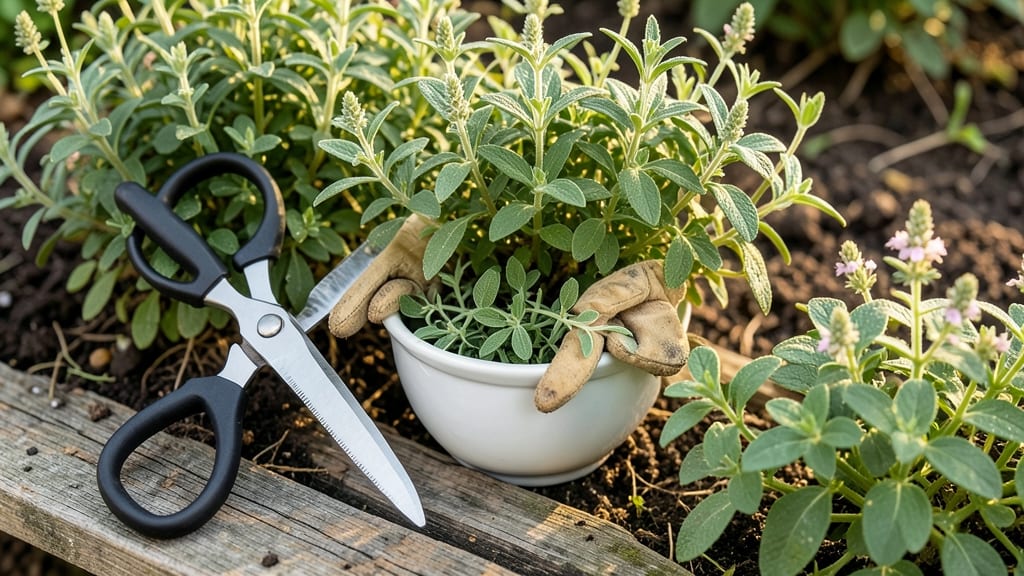
To harvest oregano at its peak flavor, focus on timing and technique—picking too early or too late can turn your bold Mediterranean herb into something bland.
Picture this: you’ve nurtured your 🌿 oregano all season, and now it’s thriving—bushy, fragrant, and ready to elevate your dishes. But harvest at the wrong moment, and that intense aroma you crave disappears. The secret? Knowing exactly when to snip for maximum potency.
Most gardeners miss the prime window because they don’t recognize the three key signs your oregano is ready—like when the leaves are fully developed or the stems turn slightly woody.
Inside, I’ll walk you through the step-by-step process, from the best tools to use to how to dry or store your harvest without losing flavor.
Whether you’re growing oregano in pots or a garden bed, these tips will help you preserve its vibrant taste for months. Let’s make sure every pinch of oregano you use is packed with that signature punch!
3 Clear signs your oregano is ready for harvesting (with exact timing)
Harvesting oregano at the right moment ensures you capture its peak flavor and aroma. Unlike many herbs, oregano doesn’t just need to be a certain size—it requires three key indicators to confirm it’s ready. Miss these signs, and you might end up with bitter-tasting leaves or stunted growth.
Let’s explore how to spot the perfect harvest window for both outdoor and indoor-grown oregano, plus the best seasonal timing for maximum potency.
Timing matters more than you might think. For outdoor oregano, the ideal harvest window typically falls between late spring and early fall (June to October in most USDA zones).
If you’re growing oregano indoors near a south-facing window, you can harvest year-round, but flavor peaks during its active growth months. The secret? Harvesting just before flowering—this is when the essential oils that give oregano its signature taste are at their strongest.
🌿 3 Clear Signs Your Oregano Is Ready for Harvest
- 📏 Height: 6-12 inches
- 👃 Leaves are dark green and strongly aromatic
- ✂️ Stems are woody but still flexible
Your oregano should be bushy and dense, reaching at least 6 inches tall with multiple stems. If it’s still sparse or leggy, wait a few more weeks—harvesting too early weakens the plant and dulls flavor.
Rub a few leaves between your fingers. If they release a bold, earthy scent (not just a mild herbal smell), they’re ready. Leaves should also be fully developed, not small or sparse. A quick sniff test saves you from bitter harvests!
Gently bend a stem. If it bends without snapping but feels slightly woody to the touch, it’s prime for harvest. Soft, green stems mean the plant isn’t mature enough—wait until the stems develop a light brown or grayish tint for the best flavor.
⚠️ Pro Tip: Avoid harvesting when flowers appear unless you’re intentionally saving seeds. Flowering shifts the plant’s energy away from leaf production, reducing flavor intensity.
Seasonal timing plays a crucial role in oregano’s flavor profile. For outdoor plants, aim to harvest in the morning after dew has dried but before the midday heat intensifies. Oregano’s essential oils are most concentrated at this time.
If you’re growing oregano in containers indoors, stick to a consistent schedule—harvest every 4-6 weeks to encourage bushier growth and prevent legginess.
One common mistake gardeners make is harvesting too much at once. Never remove more than one-third of the plant in a single session, or you’ll shock the oregano and stunt its growth.
Instead, use sharp, clean scissors or pruning shears to snip stems just above a leaf node. This encourages the plant to branch out, giving you a longer harvest season and more abundant yields.
Indoor oregano has a slightly different timeline. Since it’s not exposed to seasonal changes, you can harvest year-round, but flavor peaks during its active growth phase (typically spring and summer). If your indoor oregano starts looking leggy or sparse by winter, it’s signaling it needs a rest.
Reduce harvesting and focus on light exposure and watering to prep it for the next growing cycle.
Pay attention to the texture of the leaves—they should be crisp and slightly fuzzy to the touch. Soft or mushy leaves indicate overwatering or poor air circulation, which can lead to mold or weak flavor.
If you notice yellowing leaves or wilting stems, address the issue before harvesting. A healthy oregano plant will reward you with vibrant green leaves and a robust aroma.
For the best flavor preservation, harvest oregano just as flowers begin to form. This is when the essential oils are at their peak, but before they shift to seed production.
If you wait too long, the leaves may become bitter or woody. To test readiness, pinch a few leaves—if they’re dark green, fragrant, and slightly crisp, it’s time to harvest.
Remember, oregano is a perennial herb, meaning it comes back year after year if cared for properly. By harvesting at the right time and avoiding common mistakes, you’ll ensure your oregano plant stays productive and flavorful for seasons to come.
With these signs in mind, you’re ready to transform your kitchen with the boldest, most aromatic oregano you’ve ever grown!
Step-by-step oregano harvesting techniques for maximum yield and flavor
Harvesting oregano at the right time ensures your herb stays fragrant and potent—not bitter or woody. The key is acting when your plant is mature but before it flowers, which is when its aromatic oils peak.
I’ve found that harvesting in the morning after dew dries preserves the most flavor, as the oils are most concentrated then.
Start by gathering your tools: a pair of sharp pruning shears (to avoid crushing stems), a clean glass jar or paper bag for storage, and a drying rack or screen if you plan to preserve your harvest.
If you’re harvesting for fresh use, you can skip drying, but for long-term storage, drying is essential to lock in that signature oregano punch.
- 1
- 2
- 3
- 4
- 5
For fresh oregano, store harvested stems in a glass jar with a damp paper towel in the fridge. This keeps them crisp for 1-2 weeks. If you’re freezing, chop the leaves and store them in ice cube trays with water—perfect for adding to cooked dishes later.
I’ve found that frozen oregano retains 70% of its flavor after 3 months.
Pro tip: If your oregano starts to flower, pinch off the blooms to redirect energy back into the leaves. This keeps the plant focused on producing aromatic foliage instead of seeds. With the right harvesting rhythm, your oregano will stay lush and flavorful for years.
Now that you’ve mastered the harvest, your kitchen is about to get a lot more Mediterranean-inspired—just imagine the pizza, pasta, and salads you’ll elevate with your homegrown oregano! 🌿✂️🌱