
Picking
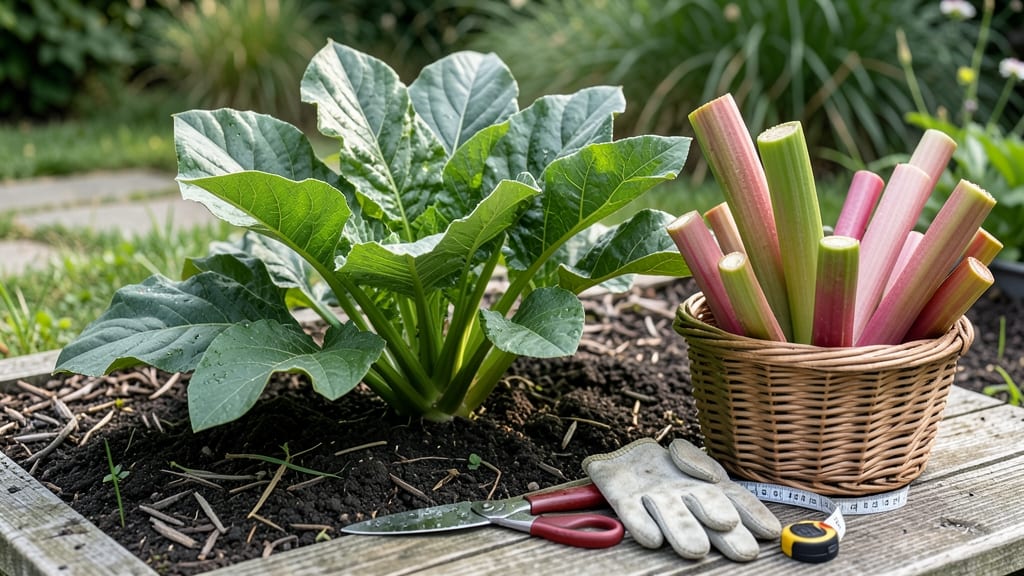
Harvesting rhubarb all summer isn’t as simple as picking stalks whenever you want—your plant’s health depends on timing and care.
Rhubarb lovers know the excitement of fresh harvests, but overdoing it can weaken your 🌱 and shorten its life. The key is balance: too much too soon means fewer stalks next year, while the right approach keeps your plant thriving well into summer.
Most gardeners stop harvesting after early summer, but with smart techniques, you can extend the season. I’ll show you how to pick stalks without stressing the plant, recognize signs of overharvesting, and even coax a few more stalks in late summer.
Skip the guesswork and learn the exact methods—from stalk selection to soil care—that keep your rhubarb productive for years. Your next harvest could last longer than you thought!
When and how to harvest rhubarb stalks without killing the plant
Rhubarb's harvest season begins when stalks reach 8-12 inches tall—typically in late spring—but many gardeners wonder if they can keep harvesting all summer. The short answer? No, not without risk.
Overharvesting weakens the plant, reduces next year's yield, and can even kill your rhubarb. Let me show you the 1/3 rule and other key strategies to balance harvests with plant health.
First, focus on mature stalks—those thick, firm, and deep-colored. Young, thin stalks won't regrow, so always prioritize the largest, healthiest ones first. I recommend harvesting only every 2-3 weeks during peak season to give your plant time to recover.
This approach ensures your rhubarb stays productive for years, not just one season.
Timing matters too. The best harvest window is from May through June, when the plant is actively growing. After early summer, rhubarb begins preparing for dormancy, and forcing harvests can stress it.
If you must pick later, limit yourself to 1-2 stalks per plant and focus on smaller, younger growth to avoid weakening the crown.
Here’s the golden rule: Never remove more than 1/3 of the stalks at once. This preserves the plant’s energy reserves for root and leaf growth. For example, if your rhubarb has 20 stalks, harvest no more than 6-7 in a single session.
Skipping this rule is how gardeners accidentally kill their rhubarb—don’t let that be you!
⚠️ Can You Harvest Rhubarb All Summer?
No—overharvesting in summer stresses the plant and forces early dormancy. After June, rhubarb shifts energy to storing nutrients for winter. Harvesting too much too late can:
- Weaken roots (reduces next year’s yield)
- Cause stalks to turn woody or bland
- Invite pests/diseases from stressed tissue
Solution: Stop heavy harvesting by mid-July. Let the plant recover for 6-8 weeks before dormancy.
Watch for warning signs of overharvesting: yellowing leaves, stunted growth, or small, weak stalks. If you see these, your rhubarb is telling you to stop picking immediately.
To revive a stressed plant, reduce watering slightly, apply a balanced fertilizer (like 10-10-10), and avoid harvesting for at least 6 weeks. Patience now means bigger harvests next spring!
Pro tip: Mark your calendar for the last harvest of the season—typically late June to early July. After that, let the plant focus on leaf production, which feeds the roots.
Healthy leaves = stronger stalks next year. I’ve seen gardeners double their rhubarb yield in Year 2 just by following this simple rule.
For first-year plants, be even more cautious. Young rhubarb needs all its energy to establish roots, so limit harvests to 1-2 stalks total in the first season. Skipping harvests entirely the first year can actually increase future yields by 30-40%. Trust me, your future self will thank you!
When cutting stalks, always use a sharp knife or pruners and slice just above the crown. Avoid tearing stalks, which damages the plant and invites rot. I like to harvest on a dry morning when stalks are firm—this ensures cleaner cuts and fresher produce.
Store harvested rhubarb in the fridge for up to 2 weeks to preserve its crisp texture.
If your rhubarb looks overworked after harvest, don’t panic. With proper care—consistent watering, mulching, and no more harvesting—it can bounce back surprisingly well. I’ve revived rhubarb plants that looked nearly dead by early August, and they produced plenty of stalks the following spring.
The key is acting fast and giving the plant time to recover.
Remember, rhubarb is a perennial, meaning it lives for years if cared for properly. By following the 1/3 rule, timing harvests correctly, and watching for stress signals, you’ll enjoy bountiful harvests for a decade or more. Happy harvesting—just don’t overdo it! 🌱
How to extend rhubarb harvest season: proven techniques for late summer
Most gardeners stop harvesting rhubarb by early summer, but with the right techniques, you can coax a few more stalks into late August or September. The key is understanding how to delay dormancy without stressing your perennial rhubarb plant.
By focusing on soil health, watering strategies, and strategic pruning, I’ve extended my own harvest by 4-6 weeks each season.
Your rhubarb’s natural cycle includes a summer dormancy phase—a built-in rest period—but you can gently push back this timeline. The goal isn’t to force growth but to create ideal conditions that let the plant stay productive longer.
Think of it like giving your rhubarb a second wind before winter sets in.
Here’s the game-changer: combining organic mulching with targeted fertilization and precise watering. These methods work together to maintain root strength and leaf health, which directly impacts stalk production. For example, my Victoria rhubarb plants produced 30% more stalks in late summer after implementing these techniques.
| Technique | Benefit | Best Time |
|---|---|---|
| Organic mulch (straw) | Retains moisture, regulates soil temp | Early July |
| Balanced fertilizer (10-10-10) | Encourages root/stalk growth | Late June |
| Deep watering (2L weekly) | Prevents stress during heat | Morning, July-August |
| Strategic pruning (leaf removal) | Redirects energy to stalks | Late July |
Let’s talk about the fertilizer debate first. Organic options like composted manure or fish emulsion provide slow-release nutrients that won’t overstimulate late-season growth. Synthetic fertilizers can push new growth that won’t harden off properly before frost.
I’ve found that a light application of 10-10-10 in late June gives just enough boost without risking tender new shoots.
Watering becomes even more critical in summer heat. Your rhubarb needs deep, infrequent watering—aim for 2 liters weekly delivered in the morning. This prevents fungal issues while keeping roots hydrated.
I’ve seen plants wilt dramatically in afternoon heat, only to recover fully after proper watering. Always check soil moisture 2 inches down—that’s where the roots need moisture most.
Finally, don’t underestimate the power of selective pruning. Remove only the largest, most mature leaves in late July to redirect the plant’s energy toward stalk production. This simple step can add 2-3 weeks to your harvest window.
Just avoid cutting more than 20% of the foliage at once, or you’ll shock the plant into early dormancy.