
How To
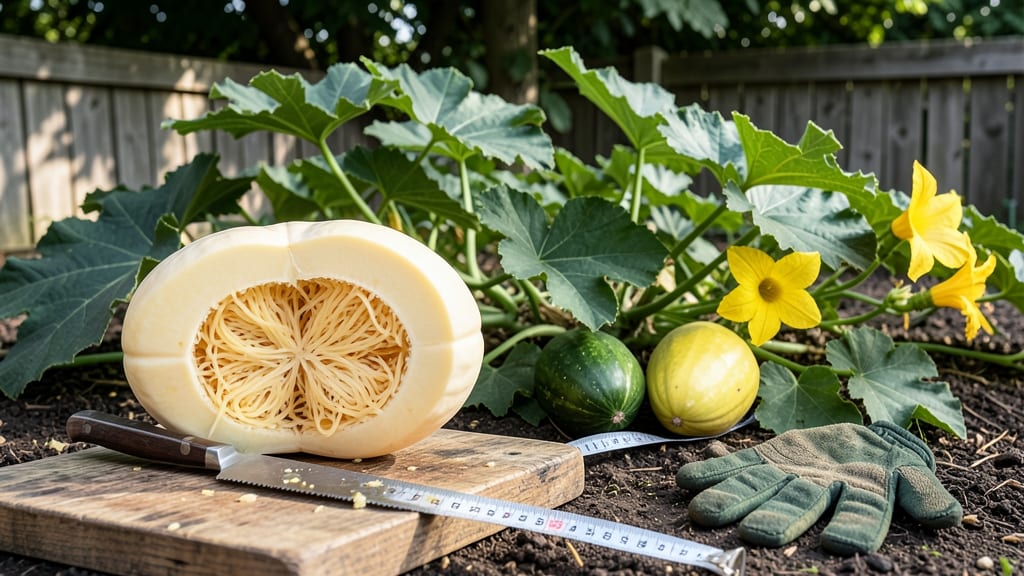
Knowing when to harvest spaghetti squash means catching it at peak sweetness—before the rind hardens or the vines die back.
Picking too early gives you tough, stringy strands instead of tender, sweet noodles, while waiting too long means a bitter, dry squash. The difference between a perfect harvest and a wasted plant often comes down to a few simple cues.
In USDA Zone 6a, spaghetti squash 🎃 typically ripens in late summer to early fall, but the exact timing depends on your variety and weather. Here’s how to tell when it’s ready without cutting into it—plus what to do once you’ve got it in hand.
You’ll learn three non-destructive tests (color, texture, and stem changes) that guarantee the best flavor, plus how to store your harvest for weeks. No guesswork, just perfect squash every time.
3 Non-destructive tests to check spaghetti squash ripeness without cutting
Spaghetti squash is ready to harvest when it reaches peak sweetness and tender strands—but cutting into one too early ruins the fun. Instead of guessing, use these three simple tests to check ripeness without damaging your squash.
Each method reveals key clues about flavor and texture, so you can harvest at the perfect moment.
First, focus on the skin color. A ripe spaghetti squash develops a deep golden-yellow or orange hue, especially on the side facing the sun. Avoid harvesting when the skin is still pale or patchy—this means it’s not fully matured yet.
The color change signals the squash has developed its signature sweetness inside.
Next, perform the thump test by gently tapping the squash with your knuckles. A ripe squash produces a deep, hollow sound, like knocking on a wooden door.
If it sounds dull or muffled, it’s not ready—those tough, stringy strands are still developing. This test works because the seeds inside harden as the squash matures.
Finally, check the stem separation. Grasp the squash gently and twist the stem. If it snaps cleanly near the base with minimal effort, your squash is ready. A stubborn stem means it’s still growing. This trick works because the stem dries out as the squash matures, making separation easier.
- 1 Color Check: Look for a deep golden-yellow or orange skin, especially on sun-exposed sides. Pale or uneven color means it’s not ripe yet.
- 2 Thump Test: Tap the squash—ripe ones sound hollow and deep. A dull thud means it needs more time to sweeten.
- 3 Stem Test: Twist the stem—it should pull away cleanly. Resistance means the squash isn’t fully mature.
A ripe spaghetti squash with a hard rind and dry stem guarantees the best texture. The harder the skin, the more tender the strands inside. If you’re unsure, wait a few days—overripe squash won’t harm you, but underripe ones turn into a chewy disappointment.
Harvesting at the right time also means better storage life. Fully ripe squash lasts 2-3 months in a cool, dry place, while underripe ones spoil faster. Store them in a well-ventilated area away from direct sunlight to preserve freshness.
For extra accuracy, combine all three tests. If the color is deep, the thump sounds hollow, and the stem separates easily, your spaghetti squash is ready to pick. This trio of checks ensures you’ll enjoy that perfect al dente texture every time.
Remember, spaghetti squash thrives in warm weather, so harvest before the first frost hits. In cooler climates, aim for late summer to early fall. Once harvested, let it cure in the sun for a day or two to enhance sweetness before storing.
Now you’re equipped to harvest like a pro—no more guesswork, just perfectly ripe squash every season. Happy gardening! 🎃
Spaghetti squash harvest timing: days to maturity by variety and climate
Timing your spaghetti squash harvest correctly depends on both variety and climate conditions. Most varieties take 60–90 days to mature after flowering, but cooler temperatures can stretch this timeline.
In USDA Zone 6a, where I garden, I’ve found that early-season varieties like 'Gold Rush' often ripen in 75–85 days, while heirloom types like 'Sunburst' may need 90–100 days.
After flowering, count 75–90 days as your baseline, but adjust based on weather. Hot summers accelerate ripening, while cooler temperatures or cloudy periods can delay maturity by 10–15 days. For example, my 'Honey Bear' squash took 10 extra days to ripen after a late-June heatwave followed by chilly nights.
Here’s how to fine-tune your harvest timing for different climates and varieties:
| Variety | Days to Maturity | Best Harvest Window | Climate Notes |
|---|---|---|---|
| Gold Rush | 75–85 days | Late August–early September | Fast-maturing; ideal for short seasons |
| Honey Bear | 85–95 days | Mid-September | Tolerates cooler temps; great for Zone 6a |
| Sunburst | 90–100 days | Late September–October | Heirloom; needs warm, long season |
| Early Girl | 60–70 days | Early August | Best for early harvests; heat-sensitive |
For early-season harvests, prioritize fast-maturing varieties like 'Gold Rush' or 'Early Girl'. Plant them 2–3 weeks earlier than your typical schedule to beat the first frost. In my garden, this means starting seeds indoors by mid-April for a late-July harvest.
If you’re in a warmer climate (Zones 8–10), expect squash to ripen 10–20 days faster than the listed timelines. However, extreme heat above 95°F can stress plants, slowing maturity. Always monitor for color changes and stem dryness—these cues matter more than days alone.
In cooler climates, extend your growing season with black plastic mulch or row covers to speed up ripening. I’ve had success using low tunnels to add 5–7°F warmth, shaving 10 days off maturity for 'Honey Bear'.
Just remember: never harvest after frost, as cold temperatures turn squash bitter and mushy.
Pro tip: Track your first frost date and work backward from it. Subtract 90 days for standard varieties or 75 days for early types to determine your ideal planting window. This method ensures you’ll harvest before the cold sets in—no more wasted squash!