
Picking
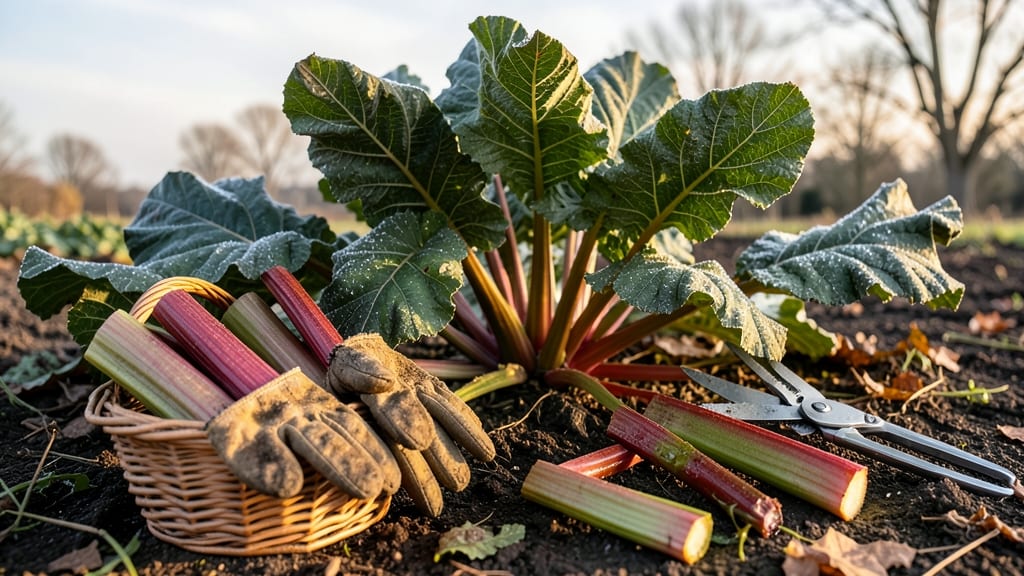
Harvesting rhubarb in October depends on your climate and how your 🌱 rhubarb is faring as temperatures drop.
Wondering if you can still harvest rhubarb in October? Late-season harvesting can extend your crop—but timing, weather, and plant health all play critical roles in determining success.
In USDA Zone 6a, where first frost typically hits around mid-October, you can still get a few more harvests if your stalks are healthy and the ground stays unfrozen. However, harvesting too late risks frost damage or weakened roots for next spring.
Below, I’ll walk you through the signs your rhubarb is ready for a late harvest, how to protect it from early cold snaps, and whether you should cut back or mulch to save your crop.
When and how to safely harvest rhubarb in October
October can still be a productive month for harvesting rhubarb, but it requires careful timing and attention to your local climate. Unlike the peak harvest season in spring and early summer, late-season harvesting in October depends on temperature thresholds and plant health.
In USDA Zone 6a and warmer, you can often extend your harvest until the first hard frost, while cooler regions may need to stop earlier to protect the rhubarb crown.
Before harvesting, check for firm, crisp stalks that are at least 10-12 inches long. Avoid cutting stalks that show signs of disease or softening, as these indicate the plant is preparing for dormancy.
The key is to balance your desire for more harvests with the plant’s need to harden off before winter. Let’s walk through the exact steps to harvest safely without damaging next year’s growth.
Step-by-Step Guide to Harvesting Rhubarb in October
- 1 Check the weather forecast: Harvest only when temperatures stay above 40°F (4°C) for the next 3-5 days. Frost can damage stalks and stress the plant.
- 2 Inspect the stalks: Look for vibrant, firm stalks (10-12 inches long) with no signs of yellowing or soft spots. Discard any damaged or diseased stalks immediately.
- 3 Use clean, sharp pruners: Cut stalks at the base (ground level) using sterilized pruners or a sharp knife. Avoid tearing stalks, which can introduce pathogens.
- 4 Limit harvest to 1/3 of stalks: Never remove more than one-third of the stalks at a time to ensure the plant retains enough energy for root storage over winter.
- 5 Mulch after harvesting: Apply a 3-inch layer of mulch (straw or shredded leaves) around the rhubarb crown to insulate roots and protect against early frost.
- 6 Stop harvesting by late October: In most regions, cease harvesting by late October to allow the plant to enter dormancy naturally before winter sets in.
Harvesting rhubarb in October is all about balance. While you can extend your season, prioritize the health of your rhubarb plant by avoiding over-harvesting. If your stalks are smaller than 8 inches or the leaves show signs of disease, it’s time to stop and let the plant rest.
This ensures a stronger crown and better yields next spring.
One common mistake is harvesting leafy stalks, which weakens the plant. Always cut only the edible stalks (the thick, crisp stems) and leave the leaves intact to photosynthesize and nourish the roots. This simple rule can make a huge difference in your rhubarb’s winter survival.
For cold climates (USDA Zones 4 and below), consider harvesting rhubarb by mid-October to prevent frost damage. In milder zones (Zones 7-9), you might push the harvest until early November, but always monitor the weather forecast closely. A sudden drop below 28°F (-2°C) can damage the crown, so plan accordingly.
After your final October harvest, consider cutting back any remaining stalks to ground level and adding a thick layer of organic mulch. This protects the crown from freeze-thaw cycles and helps insulate the roots.
By winter, your rhubarb will be dormant, but with proper care, it’ll bounce back vigorously in spring.
Pro tip: If you’re unsure whether your rhubarb is ready for harvest, perform the "finger squeeze test". Gently press a stalk—if it feels firm and crisp, it’s ready.
If it’s soft or mushy, wait a few days or stop harvesting altogether. This simple test saves you from damaging your plant.
October harvesting risks: what to watch for before picking
Harvesting rhubarb too late in October can turn your 🌱 rhubarb into a frost-damaged mess. Even in USDA Zone 6a, where first frost arrives mid-October, your plants may still produce edible stalks—but only if they’re healthy.
The biggest risks? Frost damage, disease spread, and weakened root systems that struggle to recover for next spring.
I’ve seen too many gardeners rush to harvest just because they want more stalks, only to watch their plants wilt overnight. Let’s avoid that.
Before you grab your pruning shears, check these critical signs to decide if your rhubarb is truly ready—or if it’s better to wait (or stop entirely).
🚨 Stop Harvesting If You See These 3 Signs
1. Blackened or wilted leaves: Frost can kill foliage overnight, but even without frost, yellowing or blackened leaves signal stress. Healthy leaves should stay vibrant green.
2. Soft or mushy stalks: If stalks feel squishy when pressed, they’re either overripe or rotting. Discard these—they won’t improve and may spread disease.
3. Frozen ground: If soil temps drop below 32°F (0°C), roots can’t absorb water. Harvesting then risks crown damage, stunting next year’s growth.
✅ Safe to Harvest If: Stalks are 10–12 inches long, firm, and leaves are still perky. Check weather forecasts—aim to harvest 3–5 days before the first frost.
Even if your stalks look perfect, disease susceptibility spikes in October. Rhubarb’s leaves act as a shield—once they’re gone, the plant’s defenses weaken. If you spot spots, mold, or holes on leaves, harvest immediately and remove all foliage to prevent soil-borne pathogens from overwintering.
Weakened root systems are another silent killer. Every time you harvest, your rhubarb diverts energy from roots to stalks. By October, roots may already be depleted from months of growth. To mitigate this, reduce harvest frequency in late summer and mulch heavily with straw or leaves to insulate roots.
If you’re in a warmer microclimate (like a south-facing bed), you might squeeze in 1–2 more harvests. But in colder areas, stop harvesting by early October—even if stalks are small.
Let the plant harden off naturally. Cut back leaves to 3–4 inches tall and cover with mulch or row fabric to protect crowns through winter.
Pro tip: If you must harvest late, do it on a sunny, dry morning. Wait until soil warms slightly (use a soil thermometer if unsure). And always cut stalks at ground level—never pull them—to avoid damaging the crown. Your future harvests depend on it! 🌿