
Picking
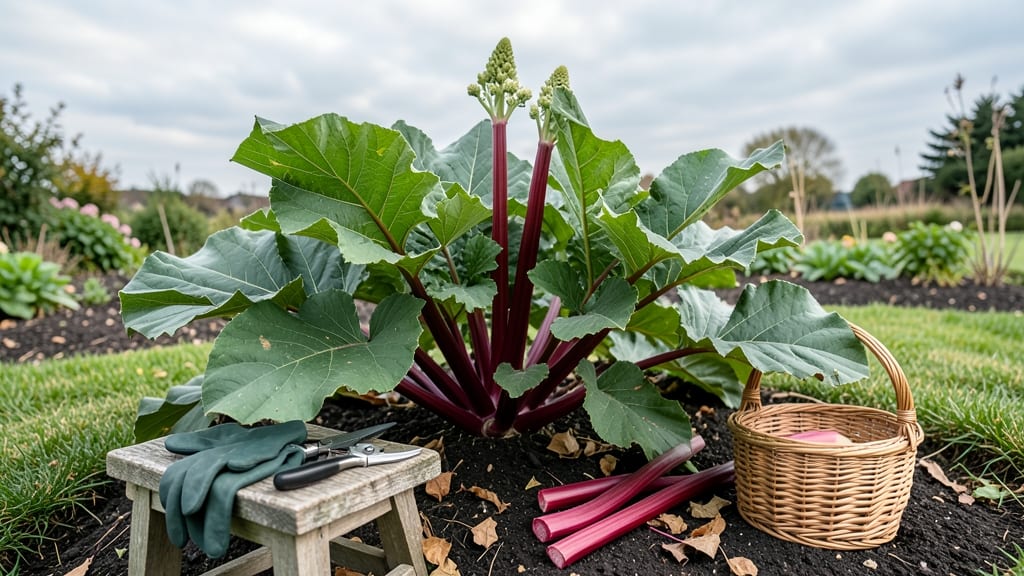
Harvesting rhubarb in September depends on your climate and how your 🌱 rhubarb plant is faring—late-season yields are possible, but risks like frost and plant stress must be managed.
You might assume the growing season is over, but in milder zones or with careful timing, September can still deliver tender stalks. The key is checking for mature stalks—10-12 inches long and firm—and avoiding overharvesting as temperatures drop.
This guide covers when it’s safe to harvest, how to spot ready stalks, and the best practices to protect your plant through winter. Whether you’re in Zone 6a or a warmer region, these tips will help you extend your harvest without sacrificing next year’s crop.
From frost warnings to post-harvest care, you’ll learn how to balance yield with plant health for a successful late-season harvest.
When and how to harvest rhubarb in late summer and early fall
September can still be a productive month for harvesting rhubarb, especially in milder climates where frost arrives late. Unlike spring's peak harvest, late-season picking requires careful attention to stalk maturity and plant health to avoid weakening your rhubarb before winter.
The key is balancing your harvest with the plant's need to store energy for next year's growth.
Rhubarb thrives in USDA Zone 6a and beyond, with 165 frost-free days annually. In most regions, the first frost typically arrives around mid-October, giving you a 4-6 week window in September for careful harvesting. The goal is to extend your crop without compromising the plant's ability to survive winter.
⚠️ Late-Season Harvesting Risks
Harvesting rhubarb in September can stress the plant if done improperly. The main risks include:
- Frost damage to tender stalks (32°F or below kills exposed growth)
- Crown exhaustion from overharvesting before dormancy
- Weakened roots that struggle to regrow next spring
✅ Pro Tip: Limit September harvests to 1/3 of stalks at a time to preserve energy reserves.
To determine if your rhubarb is ready for late-season harvesting, focus on stalk size and color intensity. Mature stalks should measure 10-12 inches long with vibrant red, green, or pink hues—signs of full maturity.
Avoid harvesting stalks smaller than 6 inches, as these won't be fully developed and may harm the plant.
When selecting stalks, prioritize the outermost stalks first, leaving the center stalks to mature. This selective harvesting technique prevents overstressing the crown. Use a sharp knife or pruners to cut stalks at the base, leaving about 1 inch of stem attached to the plant.
Timing matters most in September. Harvest on dry, sunny mornings when stalks are firm and crisp. Avoid harvesting after rain or late in the day, as moisture can weaken the stalks and increase disease risk.
For mild-zone gardeners, you might extend harvests into early October, but monitor weather forecasts closely.
The temperature threshold for safe late-season harvesting is 45°F. If nighttime temperatures drop below this, stalks may become woody or bitter. In Zone 5 or colder, cease harvesting by mid-September to protect the plant from early frosts that can kill exposed growth.
After harvesting, store rhubarb in the refrigerator for up to 2 weeks to maintain freshness. For long-term storage, freeze stalks after blanching for 3 minutes to preserve color and texture. This extends your harvest window while keeping your rhubarb ready for pies, compotes, or other recipes.
To maximize next year's yield, avoid harvesting young plants (under 2 years old) in September. Focus on established plants that have developed strong root systems. For first-year plants, limit harvesting to 2-3 stalks total to allow energy storage for future growth.
After your final September harvest, reduce watering by 50% to encourage dormancy. Apply a 2-3 inch layer of mulch around the base to insulate roots and protect against freeze-thaw cycles. This preparation helps your rhubarb survive winter and rebound vigorously in spring.
Remember, rhubarb's primary harvest window is April through June, but with careful late-season management, you can extend your crop into September. The key is moderation—never harvest more than 1/3 of stalks at a time, and always prioritize plant health over quantity.
With these techniques, you'll enjoy fresh rhubarb well into fall while setting your plants up for a strong return next year. 🌱
Signs your rhubarb plant is ready for late-season harvesting
To determine if your rhubarb is ready for a September harvest, focus on stalk maturity and plant vitality. Mature stalks should reach 10-12 inches in length, with a firm texture and vibrant color—deep red, green, or pink depending on your variety.
These visual cues indicate the plant has stored enough energy for late-season growth.
Check for leaf health too. Fully unfurled leaves with no yellowing or browning suggest the plant is thriving. If leaves appear stressed or wilted, it’s a sign to limit harvesting and prioritize plant recovery before winter.
Here’s how to spot ready stalks and balance harvests to protect your rhubarb crown:
- Stalk Size: 10-12 inches long and thick (use a ruler for accuracy)
- Stalk Texture: Firm and crisp—avoid soft or woody stalks
- Color Intensity: Deep, vibrant hues (no pale or dull stalks)
- Leaf Condition: Healthy green leaves with no signs of disease or pests
- Harvest Frequency: Limit to 1/3 of stalks per harvest to avoid stressing the plant
Never harvest stalks smaller than 6 inches—these are too young to yield tender, flavorful results. Also, avoid cutting stalks at the base; always leave a 1-inch stub to prevent damage to the crown and encourage regrowth.
If your region experiences early frosts, prioritize harvesting 2-3 weeks before the first expected frost date. Cold temperatures can turn stalks woody and reduce next year’s growth potential. Use a sharp knife to cut stalks cleanly at the base to minimize plant trauma.
After harvesting, monitor your plant’s recovery. If stalks regrow within 2-3 weeks, it’s safe to harvest again. However, if growth slows or leaves yellow, the plant is signaling it needs rest. Reduce harvesting frequency and focus on soil prep and mulching to protect roots through winter.
Balancing late-season harvests with plant recovery ensures your rhubarb remains healthy and productive for years to come. With careful timing and observation, you can enjoy fresh stalks well into September—just don’t push your luck past the first frost! 🌱