
How To
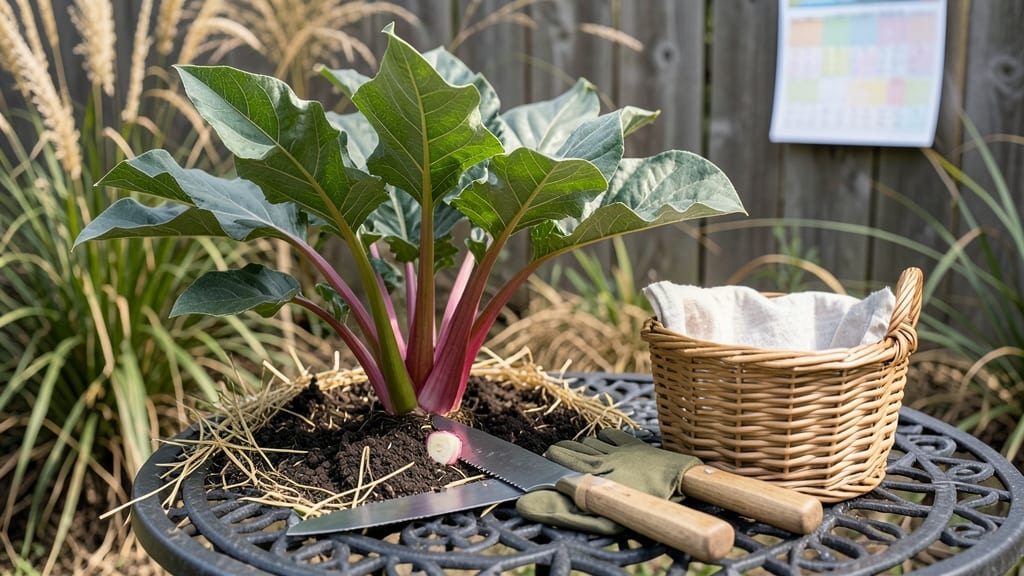
You can harvest rhubarb for 6–8 weeks per season once the stalks reach 8–12 inches tall—but timing matters more than you might think.
If you’ve ever wondered why your rhubarb plants seem to produce fewer stems each year, the answer lies in understanding their harvest window—because cutting too late can actually reduce next year’s yield. Mastering this balance is key to a bountiful harvest for years to come.
In USDA Zone 6, the ideal harvest window starts in late April and runs through early June, just before the plant shifts energy into leaf production. Over-harvesting weakens the crown, while stopping too soon leaves potential yield on the table.
Below, I’ll share the exact signs to look for—stem thickness, leaf health, and seasonal cues—plus how to extend your rhubarb’s productive years beyond the first few harvests.
The ideal harvest window for rhubarb stems: when to cut for maximum yield
Rhubarb is one of those perennial gems that rewards patience with bold, tangy stalks for years. But here’s the catch: harvesting too much or too late can actually shorten your plant’s productive life.
The key is timing—specifically, a 3-4 year prime harvest window where your rhubarb crown thrives while you enjoy its bounty.
Most gardeners start harvesting rhubarb stalks in their second year, once the plant establishes a strong root system. This 2-year establishment phase is crucial because the crown (root system) needs energy to support both growth and harvest.
If you harvest too early, you’ll weaken the plant permanently and reduce future yields.
📌 SUMMARY-TABLE: Rhubarb Harvest Timeline
| Stage | Harvest Window | Stem Size | Key Notes |
|---|---|---|---|
| Year 1 | None | N/A | Establish root system; no harvest. |
| Year 2-3 | April–June | 8–12 inches | Prime harvest window; 30–50% of stalks. |
| Year 4+ | April–early July | 10–14 inches | Reduce harvest to 20–30% stalks; prioritize thick stems. |
| Year 5+ | Limited harvest | Thickest stalks only | Crown declines; harvest sparingly or divide plant. |
The seasonal harvest window for rhubarb runs from late spring to early summer, typically April through June in most climates. This aligns with the plant’s natural growth cycle, where it stores energy in its crown during dormancy and redirects it to stem production when temperatures rise.
Thicker stems—those 1–1.5 inches in diameter—are a sign of a healthy crown. These stalks indicate the plant has adequate energy reserves and can afford to share with you. Thin, pencil-sized stalks (under ½ inch) signal the plant is struggling to keep up with your harvest demands.
Never—and I mean NEVER—harvest the leaves. Those broad, saw-toothed leaves are the plant’s solar panels, converting sunlight into energy for next year’s growth. Removing them is like cutting off your own power supply—your rhubarb will produce fewer stalks the following season.
Here’s my golden rule for harvesting rhubarb: Never take more than 30–50% of the stalks in any given year, especially in years 2–4. For example, if your plant has 20 stalks, harvest 6–10 at most. This preserves crown health and ensures long-term productivity.
Watch for seasonal cues like frost sensitivity. Once temperatures drop below 20°F, rhubarb enters dormancy, and harvesting stimulates new growth that won’t survive. Stop harvesting by early July to let the plant replenish its energy reserves for winter.
If you’re new to rhubarb gardening, start small: harvest just 2–3 stalks in year 2 to test your plant’s response. Over time, you’ll learn how aggressive you can be while still keeping your rhubarb happy and productive for decades.
Pro tip: Mark your calendar for the first frost date in your zone. Count 6–8 weeks backward—that’s your last harvest window. This simple trick prevents over-harvesting and extends your rhubarb’s lifespan by years.
Signs your rhubarb plant is over-harvested (and how to revive it)
Over-harvesting rhubarb is a common mistake that weakens the crown and reduces next year’s yield. If your plant is struggling, it’s likely sending you visual distress signals like yellowing leaves or stunted growth. The key is recognizing these signs early to avoid permanent damage to your perennial rhubarb.
When you harvest too aggressively—especially in the first 2-3 years—your rhubarb may stop producing new stalks entirely. This happens because the plant redirects energy from growth to recovery. Understanding these warning signs can help you revive your plant and restore its productivity.
⚠️ How Long Can You Harvest Rhubarb?
Limit harvests to 6–8 weeks per season—typically April through early June in USDA Zone 6. Stop harvesting when stalks become thin and sparse, or when leaves start yellowing or wilting. Over-harvesting weakens the crown, reducing next year’s yield by up to 50%.
One of the first signs of over-harvesting is yellowing leaves, especially on older growth. This indicates the plant is nutrient-deficient due to excessive stalk removal. Another red flag is sparse or thin stems, meaning the plant can’t produce enough energy for new growth.
If you see these symptoms, it’s time to pause harvesting and focus on recovery.
To revive an over-harvested rhubarb, start by reducing harvest frequency and allowing the plant to recover. Cut back on fertilizing for 2–3 weeks to let the roots stabilize.
Instead, focus on deep watering to support root regrowth. A light application of compost around the base can also provide essential nutrients without overwhelming the plant.
Pruning is another critical step. Remove any dead or diseased leaves to prevent further stress. Avoid cutting healthy leaves entirely, as they’re vital for photosynthesis. Instead, trim only the outermost damaged foliage to encourage new growth. This helps the plant redirect energy toward rebuilding its crown for next season.
With proper care, your rhubarb can bounce back within 4–6 weeks. Monitor for new stalks emerging in early spring, which signals recovery. If you’ve followed these steps but still see no improvement by late summer, consider dividing the plant to revitalize growth in a new location.