
Vegetables
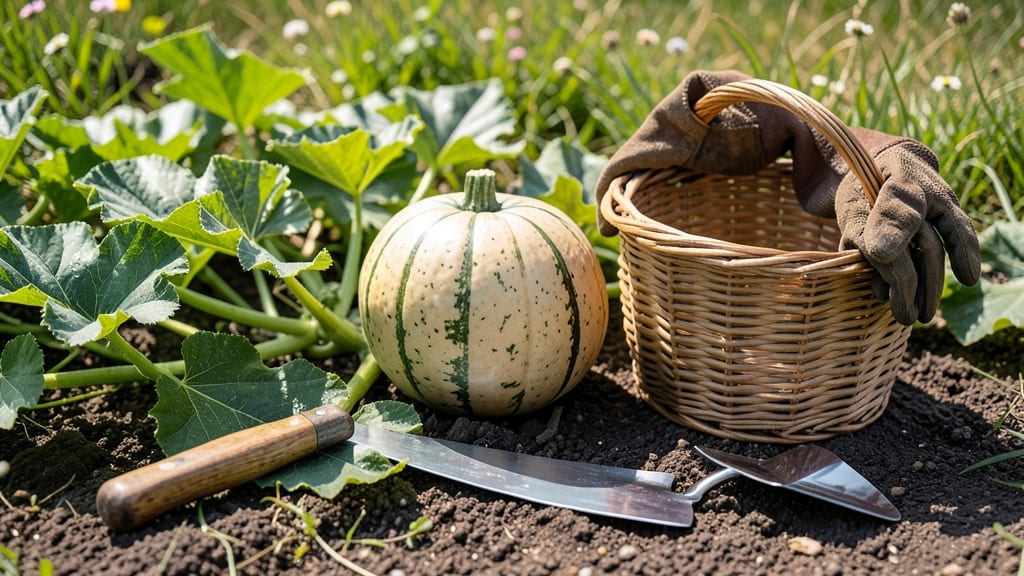
Timing the harvest of your butternut squash 🎃 is everything—picking too early means bland, seedy flesh, while waiting too long risks tough skin and wasted effort.
Picture this: you’ve nurtured your plants all season, and now the moment of truth arrives. How do you know when your butternut squash is truly ready? Miss the window, and you’re left with a harvest that’s either underripe or overripe—neither of which you want.
In this guide, I’ll walk you through the three key signs to watch for—skin color, stem condition, and seed development—so you can pick your squash at peak sweetness and flavor. Plus, I’ll share how to adjust your timing based on your climate zone and planting schedule.
By the end, you’ll know exactly when to harvest for the best results, how to store your squash properly, and what to do if you’ve picked too early or too late. Let’s make sure your hard work pays off with a perfect harvest!
3 Clear signs your butternut squash is ready for harvesting
Butternut squash is one of those rewarding garden crops where timing is everything. Harvest too soon, and you’ll end up with watery, underdeveloped flesh. Wait too long, and you risk overripe squash that’s prone to rot or pests.
The key is knowing the three foolproof signs that tell you your butternut squash is finally ready to pick.
I’ve spent years growing butternut squash in my garden, and I’ve learned that visual cues are the best way to determine ripeness.
Unlike some squash varieties that rely on size alone, butternut squash needs a combination of skin color, stem condition, and even seed development to be truly ready. Let’s break down what to look for so you can harvest at peak flavor and texture.
Look for a hard, tan skin with no green patches. When fully ripe, the rind should feel tough and resist pressure from your fingernail.
The stem at the squash’s neck should turn brown and dry out. If it’s still green or moist, the squash needs more time on the vine.
Cut open a small sample (if unsure) to check for plump, tan seeds. If they’re still white or shriveled, the squash isn’t ripe yet.
The first sign I always check is the skin color. A ripe butternut squash will have a deep tan or beige hue, especially on the sides that were exposed to sunlight.
If you see any green patches, it’s not ready yet. I like to press my fingernail into the skin—if it doesn’t puncture easily, that’s a good sign of ripeness.
Next, inspect the stem at the squash’s neck. When it’s dry and brown, it’s a clear indicator that the squash has reached maturity. I’ve found that stems often shrink slightly as they dry, which is another subtle clue.
If the stem is still green or moist, give your squash a few more days on the vine.
For the most accurate assessment, I sometimes cut open a test squash (especially if I’m unsure). Inside, the seeds should be plump and tan, not white or shriveled. The flesh should also be dense and sweet-smelling. If the seeds are underdeveloped, the squash needs more time to mature.
One common mistake I see is harvesting based on size alone. Butternut squash can vary in size even when ripe—some stay small and compact, while others grow larger.
Always prioritize the three key signs over guessing by size. This approach ensures you get the best flavor and storage life.
Timing your harvest right also depends on your climate zone. In cooler regions, butternut squash may ripen earlier, while warmer zones can extend the growing season. I’ve learned to adjust by monitoring the vines themselves.
When they start yellowing and dying back, it’s often a sign that the squash is nearing harvest time.
If you’re growing butternut squash in containers or raised beds, keep an extra eye on moisture levels. Overwatering can delay ripening, so let the soil dry slightly between waterings as harvest approaches. I’ve found that well-draining soil helps prevent rot while ensuring the squash matures properly.
Once you’ve confirmed all three signs, use a sharp knife or pruners to cut the squash from the vine, leaving a 1-inch stem attached. This helps the squash cure properly after harvest.
Store them in a cool, dry place for up to three months, or enjoy them fresh right away for the sweetest flavor.
Remember, the earlier you harvest, the better the taste and texture. Don’t wait until the first frost—cold temperatures can turn the flesh grainy and tough. With these three signs, you’ll never miss the perfect butternut squash harvest time again! 🎃
Optimal butternut squash harvest time by growing season
Timing your butternut squash harvest correctly depends on your climate zone and planting schedule. Most varieties need 80-120 days to mature, but cooler regions may extend this window.
I’ve grown butternut squash in USDA Zones 4-9 and found that late summer to early fall is the sweet spot for peak flavor and texture.
Your planting date directly impacts harvest timing. For example, seeds sown in early May typically yield squash ready by mid-October, while late June plantings may not mature until November.
In warmer climates like Zone 9, you might even get a second harvest if you plant in July—just be mindful of first frost dates.
The summary table below breaks down harvest windows by planting month and climate zone, helping you adjust for early or late harvests based on your location.
| Planting Month | USDA Zone | Days to Maturity | Harvest Window | Notes |
|---|---|---|---|---|
| April | Zones 4-6 | 100-120 days | Late September - October | Risk of early frost; use row covers. |
| May | Zones 5-8 | 90-110 days | Mid-October - November | Ideal for most gardeners. |
| June | Zones 6-9 | 80-100 days | Late October - December | Extend season with black plastic mulch. |
| July | Zones 7-10 | 70-90 days | November - January | Best for warm climates; watch for pests. |
If you’re in a shorter growing season, opt for early-maturing varieties like 'Gold Rush' (85 days) or 'Waltham Butternut' (90 days). These can be harvested before the first frost, even in Zone 4.
Conversely, in longer growing zones like Zone 10, you can push harvests into winter by planting in August.
Adjust your harvest timing based on weather patterns. For example, if summer temperatures soar, your squash may mature faster—check for hard rinds and tan skin earlier. Conversely, cool summers can delay maturity, so monitor vine health and fruit development closely.
I once had a crop in Zone 5 that needed hand-pollination to compensate for a chilly June!
Always harvest before the first frost to avoid soft, watery flesh. Use a sharp knife to cut squash from the vine, leaving a 1-inch stem to prevent rot. Store in a cool, dry place (50-55°F) for up to 3 months—this preserves sweetness and texture for holiday meals.
🎃